


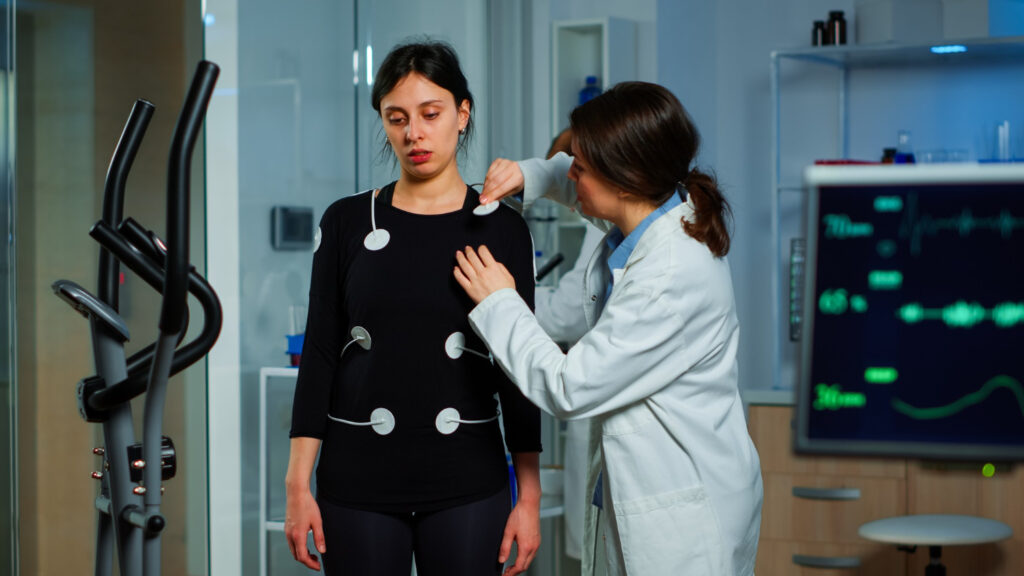
Recovering from surgery is a delicate process that requires time, patience, and proper rehabilitation. While medications and rest play a vital role, physiotherapy often becomes the cornerstone of a successful recovery journey. It helps patients regain strength, mobility, and confidence—restoring their ability to perform daily activities without pain or stiffness.
Whether you’ve undergone joint replacement, ligament repair, spine surgery, or any orthopedic or soft-tissue operation, physiotherapy bridges the gap between hospital discharge and full recovery. Let’s explore how it works, its benefits, and why Movementon Physio Dubai is among the top choices for post-surgical rehabilitation.
1. Why Post-Surgery Physiotherapy is Essential
After surgery, the body undergoes inflammation, swelling, and stiffness. Muscles become weak due to inactivity, and scar tissue can restrict joint movement. Physiotherapy ensures that you heal correctly, safely, and efficiently through guided exercises and specialized treatments.
Key reasons why physiotherapy is vital post-surgery:
- Prevents muscle stiffness and joint immobility
- Reduces swelling and inflammation
- Promotes faster tissue healing
- Improves blood circulation
- Restores balance and coordination
- Builds confidence in movement
Without physiotherapy, recovery may take longer and result in chronic pain or limited mobility.
2. The Phases of Post-Surgical Rehabilitation
Each surgery requires a different recovery approach, but generally, post-operative physiotherapy is divided into three phases:
Phase 1: Early Recovery (1–3 Weeks Post-Surgery)
Focus: Pain management, swelling reduction, and gentle movement.
Techniques used:
- Ice therapy or cryotherapy
- Gentle passive range-of-motion exercises
- Electrotherapy (TENS, IFT) for pain control
- Breathing exercises (especially after chest or abdominal surgery)
Phase 2: Strength & Mobility Restoration (3–6 Weeks)
Focus: Improving strength and flexibility.
Techniques used:
- Active movement exercises
- Strength training with resistance bands
- Balance and coordination drills
- Manual therapy to reduce stiffness
Phase 3: Return to Normal Function (6–12 Weeks)
Focus: Returning to daily life and preventing re-injury.
Techniques used:
- Functional movement retraining
- Gait and posture correction
- Endurance and stability exercises
At Movementon Physio Dubai, therapists personalize these phases based on your specific surgery, age, and fitness level.
3. Common Surgeries That Require Physiotherapy
Joint Replacement Surgery (Knee or Hip)
Physiotherapy helps strengthen the muscles around the new joint, improve flexibility, and restore normal walking patterns.
Spinal Surgery
Post-spine rehabilitation focuses on posture correction, pain management, and spinal stabilization to prevent recurrence.
ACL or Ligament Repair
After ligament reconstruction, physiotherapy restores knee stability, strength, and mobility to help athletes return to their sport safely.
Shoulder or Rotator Cuff Surgery
Shoulder physiotherapy reduces stiffness, improves rotation, and enhances arm strength for normal daily use.
Fracture Fixation or Orthopedic Surgeries
Rehab ensures that muscles and joints regain function without overloading the healing bone.
4. Key Physiotherapy Techniques Used in Post-Surgical Recovery
Modern physiotherapy combines manual skills with advanced technology to accelerate healing. Common methods include:
- Manual Therapy: Gentle joint mobilizations and soft tissue massage to reduce tightness.
- Electrotherapy (TENS/IFT): Relieves pain and stimulates muscle activation.
- Ultrasound Therapy: Improves tissue healing and reduces inflammation.
- Cryotherapy & Heat Therapy: Controls swelling and promotes blood circulation.
- Therapeutic Exercises: Strengthens muscles and enhances flexibility.
- Hydrotherapy: Water-based exercises for gentle joint movement with less strain.
5. Benefits of Physiotherapy After Surgery
- Faster Healing: Promotes cellular repair and blood flow.
- Pain Control: Reduces the need for heavy painkillers.
- Better Mobility: Restores normal joint range of motion.
- Reduced Swelling: Decreases fluid buildup and inflammation.
- Improved Strength: Rebuilds weakened muscles safely.
- Prevents Complications: Reduces risk of deep vein thrombosis or stiffness.
- Boosts Confidence: Helps patients regain independence in daily life.
6. The Role of a Physiotherapist in Post-Surgical Care
A professional physiotherapist evaluates your condition, surgery type, and healing capacity. They design a personalized recovery program that aligns with your medical report and surgeon’s recommendations.
They track progress through:
- Mobility assessments
- Pain and swelling monitoring
- Exercise modifications
- Gradual increase in activity intensity
The goal is to help you return to your normal lifestyle safely and confidently.
7. How Long Does Post-Surgery Physiotherapy Take?
The recovery timeline depends on the type of surgery and your body’s healing ability. Generally:
- Minor surgeries → 2–4 weeks
- Orthopedic surgeries → 6–12 weeks
- Major joint replacements → 3–6 months
At Movementon Physio Dubai, therapists monitor your progress closely and adjust exercises as you regain strength and flexibility.
8. Home Exercise Program After Surgery
Physiotherapists often recommend a home exercise plan once your clinic sessions are over. These exercises help maintain flexibility and strength between appointments.
Examples:
- Heel slides and leg raises for knee surgery
- Shoulder pendulum swings for shoulder repair
- Core strengthening post-abdominal surgery
Consistency is key—regular practice prevents stiffness and ensures long-term recovery.
9. Nutrition and Lifestyle Tips During Post-Surgical Rehab
To maximize recovery, complement physiotherapy with healthy habits:
- Eat protein-rich foods for tissue repair
- Stay hydrated for proper circulation
- Get adequate sleep to promote healing
- Avoid smoking or alcohol which can slow recovery
- Follow your therapist’s advice strictly
A combination of good nutrition and regular therapy yields faster results.
10. Why Choose Movementon Physio for Post-Surgery Rehabilitation in Dubai
At Movementon Physio, every patient receives one-on-one attention, ensuring safe and customized care.
What Makes Us Different:
- Certified and experienced physiotherapists
- Personalized recovery plans for every surgery type
- Advanced technologies (Ultrasound, IFT, Laser, Manual Therapy)
- Focus on long-term mobility and pain-free movement
- Comfortable clinic environment in Dubai
Our team doesn’t just focus on healing—we help you rebuild strength, confidence, and quality of life.
Conclusion
Physiotherapy is not just an optional step after surgery—it’s an essential part of your healing process. It restores your body’s function, relieves pain, and ensures your surgical results last for the long term.
Whether it’s a knee replacement, spine surgery, or ligament repair, the right rehabilitation can make all the difference. At Movementon Physio Dubai, our expert team ensures that every step of your recovery is safe, effective, and personalized to your needs.
Ready to Start Your Post-Surgery Physiotherapy?
Book your appointment today with Movementon Physio Dubai and take the first confident step toward full recovery.