


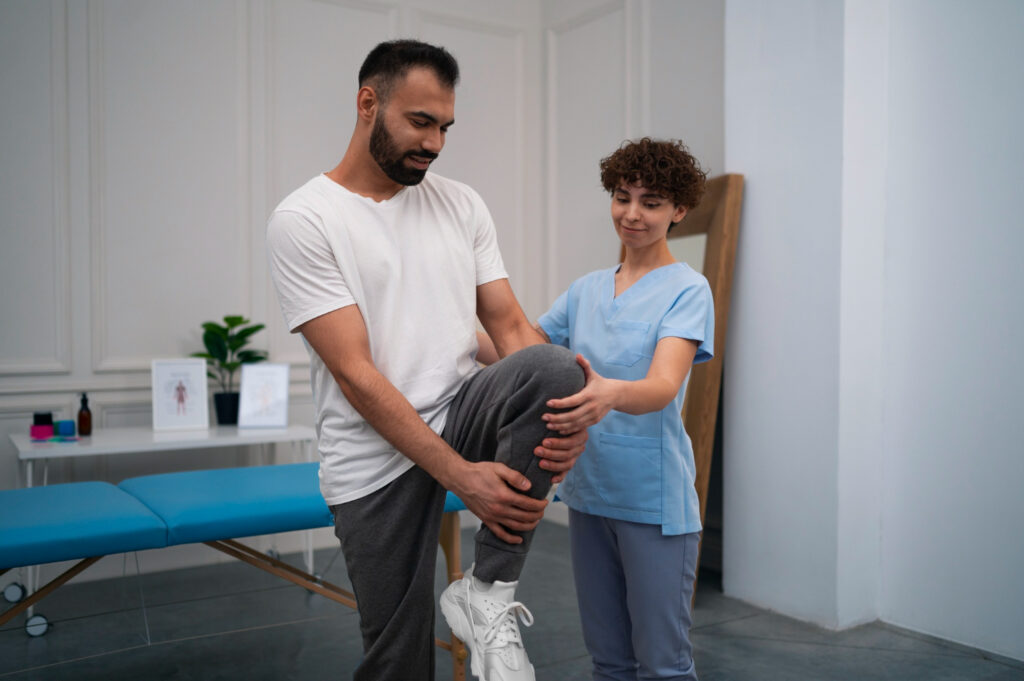
In the fast-paced world of sports, injuries are inevitable. From professional athletes to weekend fitness enthusiasts, muscle strains, sprains, ligament tears, and joint injuries can affect anyone. What truly matters is how you recover and prevent re-injury—and that’s where sports injury physiotherapy plays a crucial role.
At Movementon Physio Dubai, we specialize in comprehensive sports injury management that not only helps you recover but also enhances your overall performance. This blog dives deep into how physiotherapy supports athletes in every phase—from recovery to prevention and performance optimization.
1. Understanding Sports Injuries
A sports injury can occur due to overuse, poor technique, accidents, or inadequate warm-ups. Common types include:
- Muscle Strain: Overstretching or tearing of muscle fibers.
- Ligament Sprain: Tearing of connective tissue around joints.
- Tendinitis: Inflammation of a tendon due to repetitive strain.
- Fractures or Dislocations: Often caused by high-impact sports.
- Runner’s Knee / Tennis Elbow: Chronic overuse conditions.
These injuries can sideline athletes for weeks or months, impacting both physical performance and mental confidence. Physiotherapy ensures a structured approach to speed up healing and reduce downtime.
2. The Role of Physiotherapy in Sports Injury Recovery
Physiotherapy helps in restoring movement, reducing pain, rebuilding strength, and preventing future injuries. A sports physiotherapist doesn’t just focus on the injured area—they evaluate the entire kinetic chain to correct the root cause.
Key Roles of Physiotherapy:
- Pain Management: Using electrotherapy, manual therapy, and ultrasound.
- Inflammation Control: Applying cold therapy and soft tissue mobilization.
- Tissue Healing Support: Enhancing blood circulation and cellular repair.
- Mobility Restoration: Regaining full range of motion safely.
- Functional Training: Preparing the athlete for a safe return to sport.
Each treatment plan is personalized according to the sport, injury type, and fitness level of the patient.
3. Common Sports Injuries Treated with Physiotherapy
a. Ankle Sprains
One of the most common sports injuries, an ankle sprain affects balance and stability.
Treatment: Joint mobilization, proprioception exercises, taping, and strengthening drills.
b. ACL & Knee Injuries
Common in football, basketball, and running, ACL tears require long-term rehabilitation.
Treatment: Strengthening quadriceps and hamstrings, gait retraining, and neuromuscular control exercises.
c. Shoulder Injuries
Rotator cuff strains and dislocations often affect swimmers, tennis players, and weightlifters.
Treatment: Manual therapy, scapular stabilization, and resistance band exercises.
d. Tennis Elbow / Golfer’s Elbow
Overuse of forearm muscles causes pain around the elbow joint.
Treatment: Ultrasound therapy, eccentric loading, and ergonomic correction.
e. Back & Hip Injuries
Improper lifting or twisting can strain the spine or pelvic muscles.
Treatment: Core strengthening, spinal mobilization, and posture retraining.
4. The Phases of Sports Injury Rehabilitation
Physiotherapy rehabilitation follows a structured, evidence-based approach:
Phase 1: Acute Phase (First Few Days)
- Goal: Control pain and inflammation.
- Techniques: Ice therapy, electrotherapy, compression, and gentle movement.
Phase 2: Subacute Phase (1–3 Weeks)
- Goal: Regain mobility and reduce stiffness.
- Techniques: Manual therapy, soft tissue release, and stretching exercises.
Phase 3: Strengthening Phase (3–6 Weeks)
- Goal: Rebuild muscle strength and endurance.
- Techniques: Resistance bands, weight-bearing training, and stability drills.
Phase 4: Functional Training Phase (6+ Weeks)
- Goal: Prepare for sport-specific activities.
- Techniques: Agility training, plyometrics, and movement retraining.
Phase 5: Return-to-Play Phase
- Goal: Safely return to full athletic performance.
- Techniques: Sport simulation drills, coordination enhancement, and load management.
5. Advanced Physiotherapy Techniques for Sports Injuries
- Manual Therapy: Relieves stiffness and restores joint motion.
- Dry Needling: Targets trigger points to release muscle tension.
- Ultrasound Therapy: Promotes soft tissue healing.
- Kinesio Taping: Supports muscles and reduces strain during recovery.
- Cryotherapy / Heat Therapy: Manages inflammation and muscle soreness.
- Electrotherapy (TENS, IFT): Reduces pain and activates muscles.
- Shockwave Therapy: Breaks down scar tissue and stimulates healing.
These techniques are combined strategically to maximize recovery time and performance.
6. The Importance of Prehabilitation
While injury recovery is crucial, injury prevention is equally important. Prehabilitation (or “prehab”) is a proactive physiotherapy approach that strengthens weak muscles and improves flexibility, helping athletes reduce the risk of future injuries.
Benefits of Prehab:
- Improves joint stability
- Enhances balance and coordination
- Identifies biomechanical imbalances
- Builds muscular endurance
- Boosts confidence before training or competition
At Movementon Physio, prehab programs are customized for each sport — whether you’re a runner, footballer, swimmer, or gym athlete.
7. Enhancing Performance Through Physiotherapy
Physiotherapy isn’t just about healing—it’s also about performance optimization. Once athletes recover from an injury, physiotherapists help them reach peak physical potential through specialized strength and movement training.
Performance Enhancement Focuses On:
- Improved agility and flexibility
- Optimized movement mechanics
- Better postural alignment
- Injury-resilient muscle conditioning
- Enhanced muscle memory and coordination
Physiotherapists use tools like motion analysis and strength testing to fine-tune performance efficiency.
8. Mental and Emotional Benefits of Physiotherapy for Athletes
Injuries can be mentally draining, often causing frustration, anxiety, or fear of re-injury. Physiotherapy provides psychological reassurance through structured progress and achievable goals.
Emotional Benefits Include:
- Boosted confidence
- Reduced anxiety before returning to play
- Motivation through visible improvement
- Renewed focus on long-term athletic growth
The Movementon Physio team emphasizes both mental and physical recovery, ensuring a holistic approach to rehabilitation.
9. The Role of Nutrition and Rest in Recovery
Physiotherapy works best when paired with a healthy lifestyle. Post-injury recovery is accelerated by proper nutrition, hydration, and rest.
Key Recommendations:
- Protein-rich foods: Repair muscle fibers.
- Omega-3 fatty acids: Reduce inflammation.
- Vitamin D & Calcium: Strengthen bones.
- Adequate sleep: Promotes tissue regeneration.
Movementon therapists guide athletes on comprehensive recovery strategies that include dietary and lifestyle adjustments.
10. Why Choose Movementon Physio Dubai for Sports Injury Rehabilitation
At Movementon Physio, we believe in a results-driven, athlete-first approach. Our clinic combines world-class physiotherapists, modern technology, and personalized care to deliver the fastest, safest, and most effective recovery.
Why Athletes Trust Us:
- Experienced sports physiotherapists
- State-of-the-art modalities (Ultrasound, IFT, Shockwave)
- Personalized recovery plans
- Functional movement and performance training
- Focus on long-term injury prevention
Whether you’re a professional athlete or a weekend warrior, we help you recover, rebuild, and return stronger.
Conclusion
Sports injury physiotherapy is more than a treatment—it’s a complete recovery system designed to help athletes heal, perform, and excel. Through advanced techniques, guided exercises, and injury prevention programs, physiotherapy ensures you come back stronger than before.
At Movementon Physio Dubai, we empower athletes to take charge of their health, overcome challenges, and unlock their full potential. With expert guidance and personalized care, recovery becomes not just possible—but powerful.
Ready to Get Back in the Game?
Book your sports injury physiotherapy session in Dubai today at Movementon Physio and experience faster recovery with lasting results.