


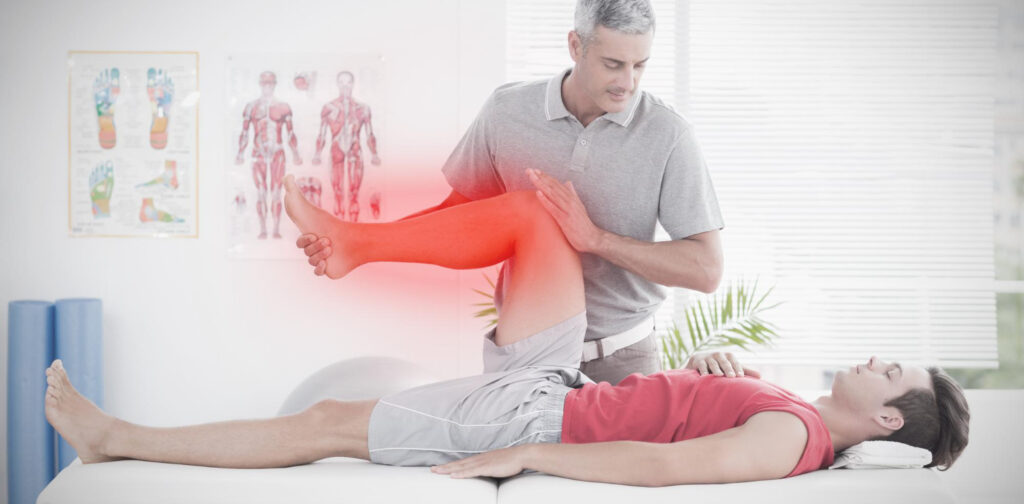
What Is Physiotherapy and How Does It Help in Pain Management and Recovery?
Physiotherapy is a proven healthcare approach that focuses on restoring movement, reducing pain, and improving physical function. Whether you’re recovering from an injury, surgery, or dealing with chronic pain, physiotherapy plays a vital role in long-term recovery and overall well-being.
This blog explains what physiotherapy is, how it works, and how it helps in pain management and faster recovery.
What Is Physiotherapy?
Physiotherapy, also known as physical therapy, is a medical treatment that uses movement, manual therapy, exercise, and physical techniques to treat pain, injury, and mobility issues.
Physiotherapists are trained healthcare professionals who assess your condition and design personalized treatment plans to reduce pain, improve movement and flexibility, restore strength and balance, and prevent future injuries.
SEO Keywords: physiotherapy meaning, what is physiotherapy treatment
Conditions Treated by Physiotherapy
Physiotherapy is effective for a wide range of conditions, including back pain and neck pain, joint pain in the knee, shoulder, and hip, sports injuries, post-surgical rehabilitation, arthritis and joint stiffness, nerve pain and sciatica, as well as stroke and neurological conditions.
How Physiotherapy Helps in Pain Management
1. Reduces Pain Without Medication
Physiotherapy treats the root cause of pain, not just the symptoms. Techniques like manual therapy, stretching, and targeted exercises help relieve pain naturally, reducing dependency on painkillers.
2. Improves Joint Mobility and Flexibility
Stiff joints and muscles are common causes of pain. Physiotherapy improves range of motion, allowing joints to move freely and comfortably.
3. Strengthens Weak Muscles
Weak or imbalanced muscles put extra pressure on joints and tissues. Physiotherapy strengthens supporting muscles, reducing stress and preventing recurring pain.
4. Corrects Posture and Movement Patterns
Poor posture and incorrect movement habits can cause chronic pain. Physiotherapists identify faulty patterns and correct them through posture training and functional exercises.
5. Reduces Inflammation and Muscle Tension
Physiotherapy techniques such as soft tissue mobilization, stretching, and therapeutic modalities help reduce inflammation, muscle tightness, and spasms.
How Physiotherapy Supports Recovery
6. Faster Injury Healing
Physiotherapy improves blood circulation and tissue healing, helping injuries recover faster and more effectively.
7. Safe Post-Surgery Rehabilitation
After surgery, physiotherapy restores strength and movement safely, prevents stiffness, and speeds up recovery while minimizing complications.
8. Improves Balance and Coordination
Rehabilitation exercises enhance balance and coordination, especially important for elderly patients and neurological recovery.
9. Prevents Re-Injury
By improving strength, flexibility, and movement control, physiotherapy significantly reduces the risk of future injuries.
10. Boosts Overall Quality of Life
With reduced pain and improved mobility, patients can return to daily activities, work, and sports with confidence.
Common Physiotherapy Techniques Used
Physiotherapy commonly includes manual therapy, therapeutic exercises, stretching and mobility drills, electrotherapy, heat and cold therapy, postural correction, and sports rehabilitation programs.
Who Should Consider Physiotherapy?
You should consider physiotherapy if you have persistent pain lasting more than a few weeks, are recovering from surgery or injury, experience stiffness or reduced mobility, want to improve physical performance, or prefer non-invasive, drug-free treatment.
Conclusion
Physiotherapy is a safe, effective, and holistic approach to pain management and recovery. By addressing the underlying causes of pain and restoring natural movement, it helps patients recover faster, prevent future injuries, and lead a healthier, more active life.
Whether you’re dealing with chronic pain or recovering from an injury, physiotherapy empowers your body to heal naturally.