


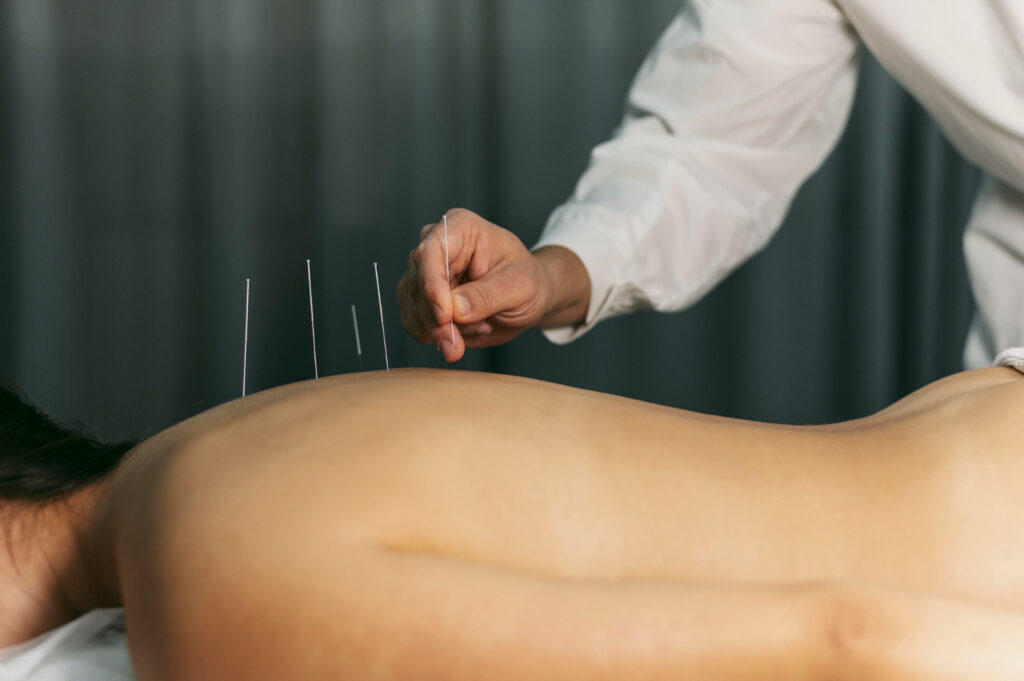
Dry needling therapy is a highly effective physiotherapy technique used to relieve muscle pain, release tight knots, and restore normal movement. In Dubai, where long working hours, desk-based jobs, intense workouts, and high stress levels are common, many people experience chronic muscle tightness, trigger points, and movement restrictions.
Dry needling has become a preferred treatment option for fast and long-lasting relief. Unlike massage or medication-based pain relief, dry needling directly targets the source of muscle dysfunction and supports natural healing.
What Is Dry Needling Therapy?
Dry needling is a physiotherapy technique in which very fine, sterile needles are inserted into tight or painful areas of muscle known as trigger points.
Trigger points are small knots within muscle fibers that can cause pain, stiffness, weakness, or referred pain to other parts of the body.
The needles used do not contain medication. The term “dry” simply refers to the fact that the needle is solid, unlike injection needles.
How Dry Needling Works
- Releases muscle trigger points
- Reduces excessive muscle tension
- Improves local blood circulation
- Normalizes muscle function
- Decreases pain signals
- Restores natural movement patterns
When a needle is inserted into a trigger point, the muscle often responds with a brief contraction or twitch. This response helps reset the muscle and reduce pain.
Conditions Treated with Dry Needling
- Chronic back pain
- Neck pain and stiffness
- Shoulder pain and frozen shoulder
- Tension headaches
- Sciatica and nerve-related pain
- Sports injuries
- Muscle spasms
- Repetitive strain injuries
- Postural pain
- Myofascial pain syndrome
Dry needling is particularly effective when pain is caused by deep muscle tightness that does not respond well to stretching alone.
Benefits of Dry Needling Therapy
- Fast and targeted pain relief
- Improved muscle flexibility
- Reduced muscle tightness
- Better range of motion
- Improved posture
- Faster recovery from injury
- Long-lasting results when combined with exercises
Many patients experience noticeable improvement within one or two treatment sessions.
What to Expect During a Dry Needling Session
- Assessment of posture, movement, and pain
- Identification of active trigger points
- Insertion of fine needles into targeted muscles
- Brief muscle twitch response
- Removal of needles after a short duration
- Stretching or strengthening exercises if required
The procedure is quick, and any discomfort is usually minimal and temporary.
Is Dry Needling Painful?
Dry needling is generally well tolerated. During or after treatment, you may experience:
- A brief prick as the needle enters the skin
- A short muscle twitch sensation
- Mild soreness in the treated area
Post-treatment soreness typically resolves within 24 to 48 hours and is a normal part of the healing response.
Dry Needling vs Acupuncture
Dry Needling
- Based on modern anatomy and physiology
- Targets muscle trigger points
- Focuses on restoring muscle function
- Used within physiotherapy practice
Acupuncture
- Based on traditional medicine principles
- Targets energy meridians
- Focuses on energy balance
- Used in alternative medicine
Dry needling is a clinical physiotherapy technique specifically aimed at improving movement and relieving pain.
Dry Needling for Sports Injuries
- Releases tight muscles after training
- Improves flexibility and performance
- Reduces muscle fatigue
- Speeds up recovery
- Helps prevent injury recurrence
Dry needling is commonly combined with sports rehabilitation and strength programs.
Dry Needling for Office Workers
Office workers frequently experience neck pain, shoulder stiffness, and lower back discomfort due to prolonged sitting and poor posture.
- Releases deep muscle tension
- Improves blood circulation
- Reduces posture-related pain
- Supports ergonomic correction
How Many Dry Needling Sessions Are Needed?
- Acute muscle tightness: 1 to 3 sessions
- Chronic pain: 4 to 8 sessions
- Sports injuries: As part of a rehabilitation program
Your physiotherapist will design a personalized treatment plan based on your condition and goals.
Is Dry Needling Safe?
Yes, dry needling is safe when performed by trained and licensed physiotherapists. Sterile, single-use needles are always used, and treatment is tailored to individual needs.
Certain medical conditions may require caution, which will be assessed before starting treatment.
Dry Needling as Part of a Complete Physiotherapy Program
For best results, dry needling is often combined with:
- Manual therapy
- Stretching exercises
- Strengthening programs
- Posture correction
- Movement retraining
This integrated approach ensures both pain relief and long-term recovery.
When Should You Consider Dry Needling Therapy?
- Persistent muscle pain
- Tight knots that do not relax
- Limited movement due to muscle stiffness
- Pain triggered by posture or repetitive movements
- Slow recovery from muscle injuries
Early physiotherapy intervention helps prevent chronic pain patterns.
Final Thoughts
Dry needling therapy is a powerful and effective physiotherapy technique for relieving muscle pain, improving mobility, and restoring normal function.
When used as part of a comprehensive physiotherapy program, it supports faster recovery and long-term results. If muscle tightness or pain is limiting your daily activities, dry needling can play a valuable role in your recovery journey.