


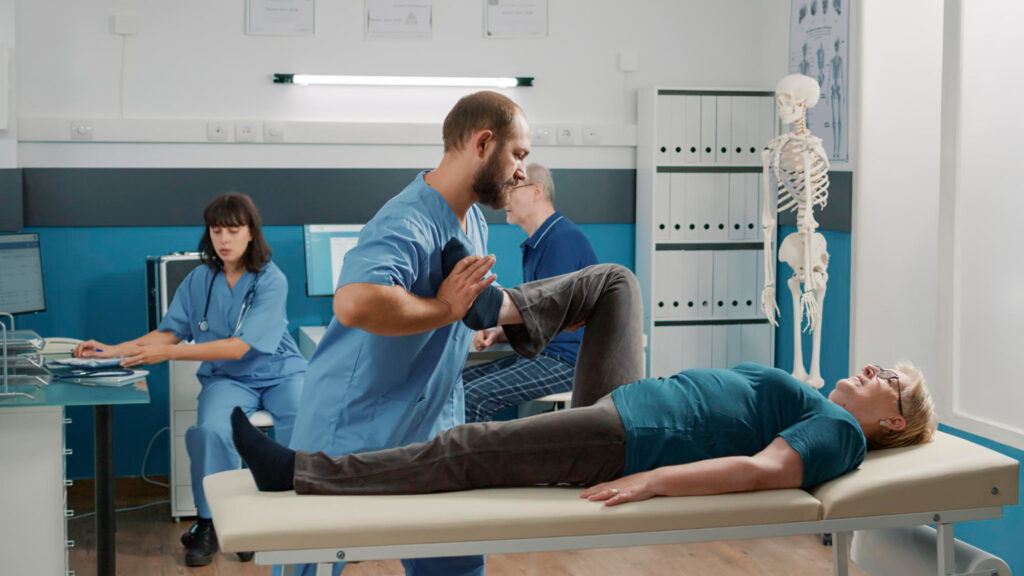
Benefits of Physiotherapy After Surgery: Faster Recovery and Better Mobility
Surgery is often just the first step toward recovery. What truly determines how quickly and safely you return to normal life is post-surgical rehabilitation—and physiotherapy plays a critical role in that process. From reducing pain and stiffness to restoring strength and movement, physiotherapy helps patients recover faster, safer, and more effectively after surgery.
This blog explains the key benefits of physiotherapy after surgery and how it improves mobility, function, and long-term outcomes.
Why Physiotherapy Is Important After Surgery
After surgery, the body experiences pain and inflammation, muscle weakness due to inactivity, joint stiffness and reduced mobility, and an increased risk of complications like scar tissue formation and poor circulation.
Physiotherapy addresses these issues early, ensuring proper healing and functional recovery rather than just wound healing.
SEO Keywords: physiotherapy after surgery, post operative physiotherapy benefits
Key Benefits of Physiotherapy After Surgery
1. Faster and Safer Recovery
Physiotherapy promotes blood circulation, tissue healing, and controlled movement. This helps patients recover faster while reducing the risk of complications caused by prolonged bed rest.
2. Reduces Pain and Swelling Naturally
Through gentle exercises, manual therapy, and movement-based techniques, physiotherapy helps reduce pain and swelling—often minimizing the need for painkillers.
3. Restores Joint Mobility and Flexibility
After surgery, joints often become stiff due to immobility. Physiotherapy gradually restores range of motion, helping joints move smoothly and comfortably again.
4. Rebuilds Muscle Strength
Surgery and rest can weaken muscles quickly. Targeted strengthening exercises help rebuild muscle strength, providing better support to joints and improving overall stability.
5. Improves Balance and Coordination
Physiotherapy includes balance and coordination training, especially important after orthopedic or neurological surgeries, to prevent falls and improve confidence in movement.
6. Prevents Scar Tissue Tightness
Without movement, scar tissue can become tight and restrict mobility. Physiotherapy keeps tissues flexible and prevents long-term stiffness around the surgical area.
7. Reduces Risk of Post-Surgical Complications
Early physiotherapy reduces the risk of blood clots, joint stiffness, muscle shortening, poor posture, and compensatory pain.
8. Helps You Return to Daily Activities Faster
Physiotherapists focus on functional recovery—helping patients safely return to walking, sitting, climbing stairs, working, and daily routines as early as possible.
9. Customized Recovery Plan for Each Patient
Every surgery and patient is different. Physiotherapy programs are personalized based on the type of surgery, age and fitness level, pain tolerance, and recovery goals, ensuring safe and effective rehabilitation.
10. Long-Term Mobility and Quality of Life
Physiotherapy doesn’t just help short-term recovery—it improves long-term joint health, posture, and movement patterns, reducing the risk of future problems.
Surgeries That Benefit Most from Physiotherapy
Physiotherapy is especially beneficial after knee replacement surgery, hip replacement surgery, spine and disc surgery, shoulder surgery, ligament and sports injury surgery, and abdominal and chest surgery.
When Should Physiotherapy Start After Surgery?
In many cases, physiotherapy begins within 24–48 hours after surgery, depending on the procedure and the doctor’s advice. Early intervention leads to better outcomes and quicker functional recovery.
Conclusion
Physiotherapy after surgery is essential for faster recovery, better mobility, and long-term success. It helps reduce pain, restore movement, rebuild strength, and prevent complications—allowing patients to regain independence and confidence sooner.
If you’ve undergone surgery, physiotherapy is not optional—it’s a vital part of complete recovery.