


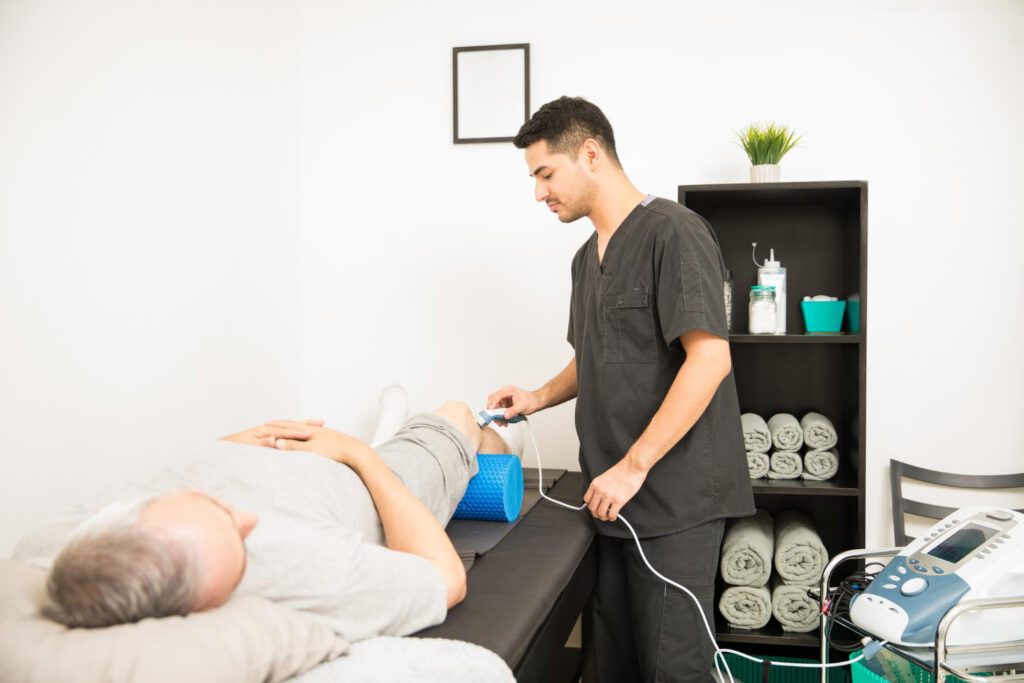
Ultrasound therapy is a widely used physiotherapy treatment that helps reduce pain, improve tissue healing, and restore movement. In Dubai, where many people experience muscle tightness, joint pain, sports injuries, and postural problems due to long working hours and an active lifestyle, ultrasound therapy plays an important role in modern rehabilitation.
This treatment is non-invasive, painless, and often used alongside manual therapy and exercise programs to achieve faster and longer-lasting recovery.
What Is Ultrasound Therapy in Physiotherapy?
Ultrasound therapy uses high-frequency sound waves to penetrate deep into muscles, tendons, ligaments, and soft tissues. These sound waves create gentle vibrations that promote healing at a cellular level.
Unlike diagnostic ultrasound, therapeutic ultrasound is specifically designed to treat pain, stiffness, and tissue damage by improving blood circulation and tissue flexibility.
How Ultrasound Therapy Works
Thermal Effect
The sound waves generate gentle heat deep within the tissues, which helps to:
- Relax tight muscles
- Increase blood circulation
- Improve tissue elasticity
- Reduce stiffness
Non-Thermal Effect
The sound wave vibrations stimulate cellular activity, which helps to:
- Accelerate tissue repair
- Reduce inflammation
- Support healing of soft tissue injuries
These combined effects make ultrasound therapy effective for both acute and chronic conditions.
Conditions Treated with Ultrasound Therapy
- Muscle strains and tears
- Ligament sprains
- Tendon injuries
- Frozen shoulder
- Knee pain and arthritis
- Back and neck pain
- Sports injuries
- Post-surgical stiffness
- Scar tissue tightness
- Chronic soft tissue pain
Ultrasound therapy is especially useful when pain originates from deep tissues that are difficult to treat with surface-level therapies.
Benefits of Ultrasound Therapy
- Deep pain relief
- Reduced inflammation
- Faster tissue healing
- Improved joint mobility
- Muscle relaxation
- Safe and non-invasive treatment
- Supports long-term recovery
Many patients notice improved movement and reduced discomfort after a few treatment sessions.
What Happens During an Ultrasound Therapy Session?
- Assessment of the affected area
- Application of a special conductive gel
- Movement of the ultrasound head over the skin
- Treatment duration of 5 to 10 minutes
- Follow-up exercises or manual therapy if required
The treatment is comfortable, and most patients experience only mild warmth or gentle pressure.
Is Ultrasound Therapy Safe?
Yes, ultrasound therapy is safe when performed by trained physiotherapists. The treatment intensity and duration are carefully adjusted based on the condition being treated.
Ultrasound Therapy May Not Be Recommended Over
- Areas with active infection
- Certain medical implants
- Specific regions during pregnancy
Your physiotherapist will always assess suitability before starting treatment.
Ultrasound Therapy vs Other Pain Relief Treatments
Ultrasound Therapy
- Targets tissue healing
- No medication-related side effects
- Improves mobility and flexibility
- Supports long-term recovery
Medication
- Masks pain symptoms
- Possible side effects
- Temporary relief
- Does not address tissue healing
For best outcomes, ultrasound therapy is usually combined with strengthening and mobility exercises.
Ultrasound Therapy for Sports Injuries
- Reduces muscle soreness
- Speeds up recovery
- Improves flexibility
- Treats tendon and ligament injuries
This allows athletes to return to training safely without overloading injured tissues.
Ultrasound Therapy for Office Workers
Office workers often develop neck pain, shoulder tightness, and lower back stiffness due to prolonged sitting and poor posture.
- Relaxes tight muscles
- Improves blood circulation
- Reduces work-related discomfort
- Supports posture correction programs
How Many Ultrasound Therapy Sessions Are Needed?
- Acute injuries: 3 to 5 sessions
- Chronic pain: 6 to 10 sessions
- Post-surgical recovery: As advised by the physiotherapist
Consistency and combining treatment with exercises are essential for long-term improvement.
Home Physiotherapy and Ultrasound Therapy
Ultrasound therapy can be included in home physiotherapy programs for patients recovering from surgery or those with mobility limitations. This ensures comfort, safety, and continuity of care.
When Should You Consider Ultrasound Therapy?
- Persistent muscle or joint pain
- Stiffness limiting movement
- Delayed healing after injury
- Tendon or ligament discomfort
- Pain affecting daily activities
Early physiotherapy intervention can prevent long-term complications.
Final Thoughts
Ultrasound therapy is a safe and effective physiotherapy treatment that promotes deep tissue healing, reduces pain, and restores mobility.
When combined with manual therapy and exercise-based rehabilitation, it delivers excellent results for both acute and chronic conditions. If pain or stiffness is affecting your quality of life, ultrasound therapy can be a valuable part of your physiotherapy recovery plan.