


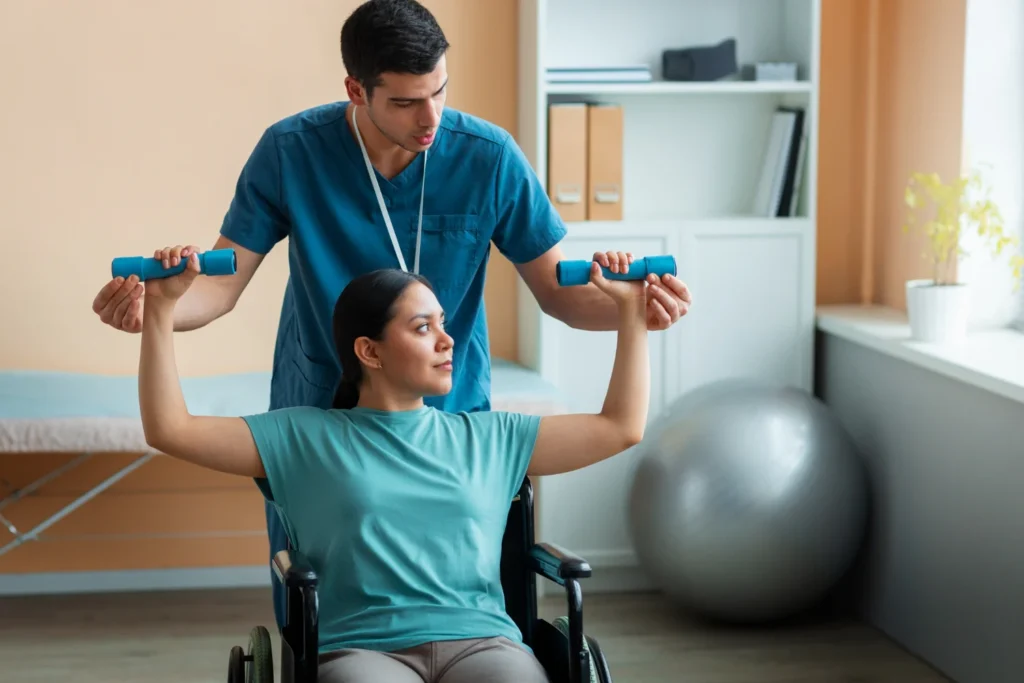
Introduction
Surgery is often an important step toward treating injuries, correcting deformities, or improving quality of life. However, surgery alone does not guarantee full recovery. After any surgical procedure, the body needs proper guidance and support to heal correctly, regain strength, and return to normal function. This is where physiotherapy plays a crucial role.
Post-surgery rehabilitation through physiotherapy helps patients recover faster, reduce complications, and restore mobility in a safe and structured way. Whether it is orthopedic surgery, joint replacement, spine surgery, or abdominal surgery, physiotherapy ensures that recovery is complete and long-lasting.
This blog explains the role of physiotherapy in post-surgery rehabilitation and why it is an essential part of the healing process.
Understanding Post-Surgery Rehabilitation
Post-surgery rehabilitation refers to the process of helping the body recover after an operation. Surgery can cause:
- Pain and swelling
- Muscle weakness
- Joint stiffness
- Reduced mobility
- Loss of balance or coordination
Without proper rehabilitation, these issues may persist and limit daily activities. Physiotherapy helps address these problems gradually and safely.
What Is Post-Surgical Physiotherapy?
Post-surgical physiotherapy is a specialized treatment approach designed to restore movement, strength, and function after surgery. A physiotherapist assesses the patient’s condition and creates a personalized rehabilitation plan based on:
- Type of surgery
- Patient’s age and fitness level
- Pain and mobility limitations
- Recovery goals
The focus is on healing while preventing further injury.
Why Physiotherapy Is Important After Surgery
Physiotherapy is not just about exercise; it is a complete recovery strategy. After surgery, the body is vulnerable, and incorrect movement can delay healing.
Physiotherapy helps by:
- Promoting proper tissue healing
- Preventing stiffness and muscle loss
- Reducing pain and swelling
- Improving mobility and strength
- Restoring confidence in movement
Key Roles of Physiotherapy in Post-Surgery Rehabilitation
1. Pain and Swelling Management
Pain and swelling are common after surgery. Physiotherapy uses gentle movements, positioning, and therapeutic techniques to reduce discomfort.
- Faster pain relief
- Reduced inflammation
- Improved comfort
2. Restoring Mobility and Movement
Surgery often limits joint and muscle movement. Prolonged immobility can cause stiffness and delayed recovery.
- Gradual joint mobility restoration
- Improved flexibility
- Safe movement encouragement
3. Regaining Muscle Strength
Muscle weakness develops quickly after surgery due to inactivity. Physiotherapy includes progressive strengthening exercises.
- Better joint support
- Improved balance
- Reduced re-injury risk
4. Preventing Post-Surgical Complications
- Blood clots
- Muscle shortening
- Joint stiffness
- Poor circulation
Physiotherapy improves circulation and mobility, reducing complication risks.
5. Improving Balance and Coordination
After surgery, especially in older adults, balance and coordination may be affected.
- Improved body control
- Reduced fall risk
- Increased confidence
6. Correcting Posture and Movement Patterns
Post-surgery pain often causes poor posture or compensatory movements.
- Posture correction
- Safe movement training
- Reduced strain on healing tissues
7. Supporting Mental and Emotional Recovery
Recovery is also mental and emotional. Physiotherapy:
- Encourages gradual progress
- Builds confidence
- Reduces fear and anxiety
8. Preparing for Daily Activities and Work
- Walking
- Climbing stairs
- Sitting and standing
- Work-related tasks
Types of Surgeries That Benefit from Physiotherapy
- Joint replacement surgeries
- Spine surgeries
- Fracture fixation surgeries
- Sports injury surgeries
- Abdominal and chest surgeries
When Should Physiotherapy Start After Surgery?
- Within hours or days after surgery
- After medical clearance
Importance of Following the Rehabilitation Plan
- Safe and steady improvement
- Reduced complications
- Long-term recovery success
Long-Term Benefits of Post-Surgical Physiotherapy
- Improved mobility
- Reduced long-term pain
- Better strength and endurance
- Improved quality of life
Conclusion
Physiotherapy is a vital part of post-surgery rehabilitation. It restores movement, strength, and confidence while preventing complications.
Physiotherapy Exercises for Improving Posture and Mobility
Introduction
Good posture and smooth mobility are essential for a healthy, pain-free life. Long sitting hours, poor workstation setup, and inactivity commonly cause posture problems and stiffness.
Understanding Posture and Mobility
Posture refers to body alignment, while mobility is joint movement ability.
Effects of poor posture include:
- Muscle imbalance
- Joint stiffness
- Restricted movement
- Pain and fatigue
Common Causes of Poor Posture and Reduced Mobility
- Prolonged sitting
- Slouching posture
- Weak core muscles
- Tight hip and chest muscles
- Lack of physical activity
- Previous injuries
How Physiotherapy Helps Improve Posture and Mobility
- Strengthens postural muscles
- Stretches tight muscles
- Improves joint flexibility
- Corrects movement patterns
- Reduces pain
Key Physiotherapy Exercises for Better Posture
1. Chin Tuck Exercise
- Improved neck alignment
- Reduced neck pain
- Better head posture
2. Shoulder Blade Squeeze
- Improved shoulder posture
- Stronger upper back
- Reduced neck tension
3. Wall Posture Exercise
- Improved spinal awareness
- Better standing posture
- Reduced slouching
4. Core Strengthening Exercises
- Pelvic tilts
- Abdominal bracing
- Modified planks
Physiotherapy Exercises for Improving Mobility
Neck Mobility Exercises
- Improved flexibility
- Reduced stiffness
Shoulder Mobility Exercises
- Restored movement
- Improved arm function
Spinal Mobility Exercises
- Reduced back stiffness
- Better bending and twisting
Hip Mobility Exercises
- Improved walking posture
- Better spinal support
Stretching Exercises for Muscle Balance
- Chest stretching
- Hamstring stretching
- Hip flexor stretching
Balance and Coordination Exercises
- Improved stability
- Reduced fall risk
- Better confidence
Importance of Correct Technique
- Safe posture
- Proper movement
- Gradual progression
How Often Should Physiotherapy Exercises Be Done?
- Regular practice
- Short daily sessions
- Consistency over intensity
Lifestyle Tips to Support Better Posture and Mobility
- Proper workstation setup
- Regular movement breaks
- Healthy body weight
- Active lifestyle
Who Can Benefit from These Exercises?
- Office workers
- Students
- Elderly individuals
- Post-injury patients
Long-Term Benefits of Physiotherapy Exercises
- Improved posture
- Better mobility
- Reduced pain
- Improved quality of life
Conclusion
Physiotherapy exercises provide a safe and effective way to correct posture, improve mobility, and prevent future pain. With consistency and proper guidance, they support a healthier and more active lifestyle.