


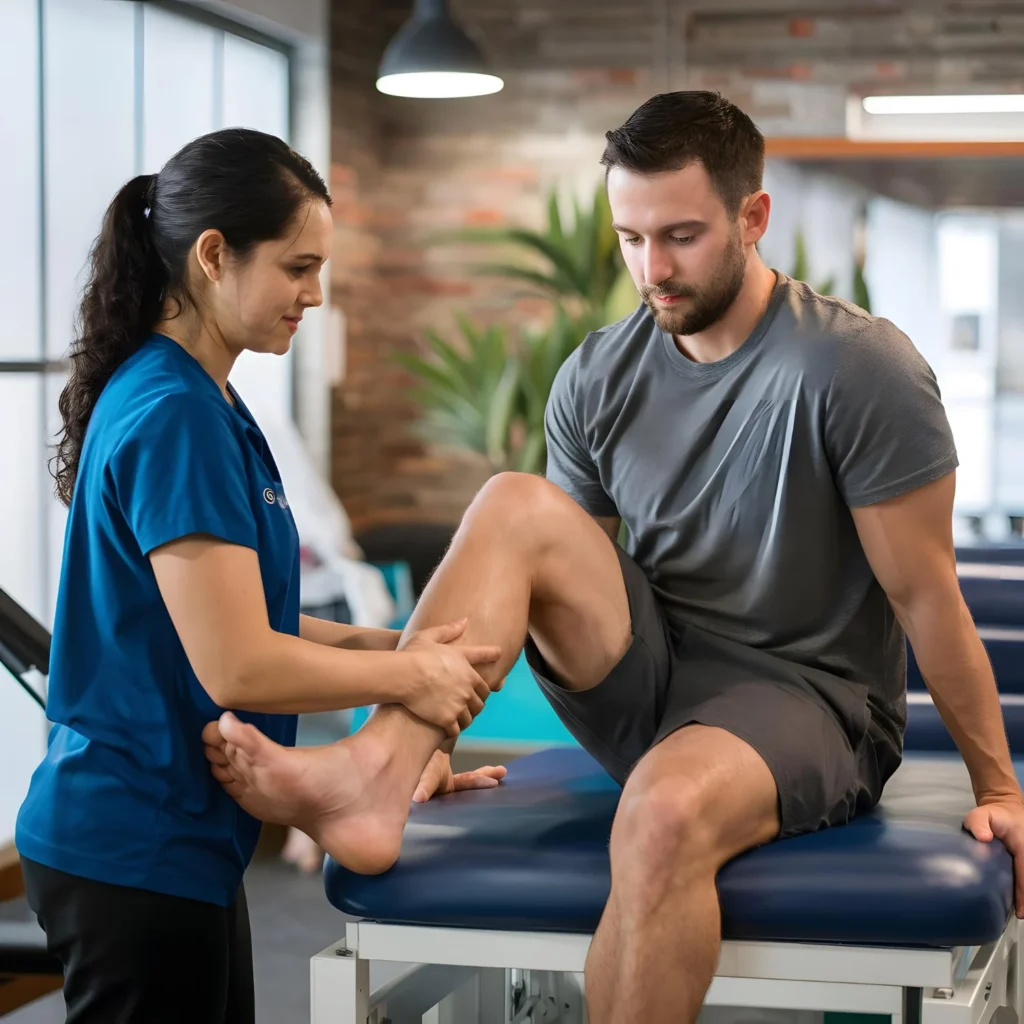
How Physiotherapy Helps After Sports Injuries
Sports injuries are common among athletes, fitness enthusiasts, and even people who play recreational sports. Whether it is a sprained ankle, torn ligament, muscle strain, or post-surgical condition, recovery plays a critical role in returning to normal activity. One of the most effective and scientifically proven methods for recovery after sports injuries is physiotherapy.
Physiotherapy not only helps in reducing pain but also restores movement, strength, flexibility, and confidence. This article explains how physiotherapy helps after sports injuries, why it is essential, and how it supports long-term physical health.
Understanding Sports Injuries
Sports injuries occur due to sudden trauma, overuse, improper technique, lack of warm-up, or poor conditioning. These injuries can affect muscles, joints, ligaments, tendons, bones, and nerves.
Common Types of Sports Injuries
- Muscle strains and tears
- Ligament injuries (ACL, MCL, ankle sprains)
- Tendinitis
- Stress fractures
- Dislocations
- Shoulder and knee injuries
- Post-surgical rehabilitation injuries
Ignoring proper rehabilitation can lead to chronic pain, reduced performance, and recurring injuries.
What Is Physiotherapy?
Physiotherapy is a healthcare profession focused on restoring movement and physical function through exercise, manual therapy, education, and rehabilitation techniques. It is guided by scientific assessment and personalized treatment plans.
Physiotherapists are trained professionals who understand body mechanics and injury patterns, especially in athletes and active individuals.
Why Physiotherapy Is Essential After Sports Injuries
Many people believe rest alone is enough after an injury. While rest is important, complete recovery requires guided movement and rehabilitation. Physiotherapy ensures that healing happens correctly and safely.
Key Reasons Physiotherapy Is Necessary
- Prevents long-term complications
- Reduces pain and inflammation
- Restores mobility and strength
- Improves balance and coordination
- Prevents re-injury
- Enhances overall performance
How Physiotherapy Helps in Sports Injury Recovery
1. Pain Management and Inflammation Reduction
Physiotherapy uses various techniques to reduce pain without relying heavily on medications.
- Ice and heat therapy
- Electrotherapy
- Ultrasound therapy
- Manual therapy
These methods help decrease swelling, improve blood circulation, and accelerate the healing process.
2. Restoring Range of Motion
After an injury, joints and muscles often become stiff due to swelling or immobilization. Physiotherapy focuses on gentle, progressive movements to restore flexibility.
- Prevents joint stiffness
- Improves muscle elasticity
- Restores normal movement patterns
3. Strengthening Injured Muscles
Weak muscles increase the risk of re-injury. Physiotherapists design progressive strengthening programs that rebuild muscle power safely.
- Supports injured joints
- Improves stability
- Enhances endurance
- Restores functional performance
4. Improving Balance and Coordination
Sports injuries often disrupt balance and proprioception (body awareness). Physiotherapy includes balance training to retrain the nervous system.
- Ankle injuries
- Knee ligament injuries
- Post-surgical rehabilitation
Better balance reduces the risk of future injuries.
5. Speeding Up Recovery Time
With structured physiotherapy, recovery becomes faster and more effective compared to rest alone.
- Promotes proper tissue healing
- Prevents muscle atrophy
- Maintains cardiovascular fitness
6. Preventing Re-Injury
One of the most valuable benefits of physiotherapy is injury prevention.
- Corrective exercises
- Technique correction
- Sport-specific training
7. Post-Surgical Rehabilitation
After sports-related surgeries such as ACL reconstruction or rotator cuff repair, physiotherapy is essential.
- Reduces scar tissue
- Restores joint function
- Rebuilds strength gradually
- Ensures safe return to activity
8. Mental Confidence and Motivation
Injuries often affect mental health, causing fear and hesitation. Physiotherapy helps rebuild confidence.
- Trust in the body
- Reduced fear of movement
- Motivation to stay active
Sports-Specific Physiotherapy Programs
- Runners: Knee, ankle, and hip alignment
- Footballers: Agility, strength, and balance
- Swimmers: Shoulder mobility and core strength
- Tennis players: Elbow, wrist, and shoulder rehabilitation
When Should You Start Physiotherapy After a Sports Injury?
Physiotherapy can begin within 24–48 hours depending on injury severity. Early intervention improves outcomes.
Physiotherapy vs Painkillers: A Long-Term Solution
- No side effects
- Long-term improvement
- Functional recovery
Role of Physiotherapy in Long-Term Athletic Performance
- Improves flexibility
- Enhances muscle efficiency
- Prevents overuse injuries
- Maintains joint health
Choosing the Right Physiotherapist
- Experience in sports rehabilitation
- Certified and trained professional
- Personalized treatment plans
- Clear communication
Conclusion
Physiotherapy plays a crucial role in recovery after sports injuries. It restores movement, strength, balance, and confidence while preventing future injuries.
Frequently Asked Questions (FAQ)
1. How long does physiotherapy take after a sports injury?
Duration depends on injury severity. Minor injuries may take weeks, while major injuries may require months.
2. Is physiotherapy painful?
Mild discomfort is normal, but severe pain should be avoided.
3. Can physiotherapy completely heal sports injuries?
Results depend on injury severity and consistency of treatment.
4. Do I need physiotherapy if my pain is gone?
Yes. Pain relief does not guarantee full recovery.
5. Can physiotherapy prevent future sports injuries?
Yes. It improves strength, balance, and movement patterns.
6. Is physiotherapy suitable for non-athletes?
Absolutely. Anyone can benefit from physiotherapy.
7. How often should I attend physiotherapy sessions?
Usually 2–3 times per week initially.
8. Can physiotherapy replace surgery?
In some cases, yes. Severe injuries may still require surgery.