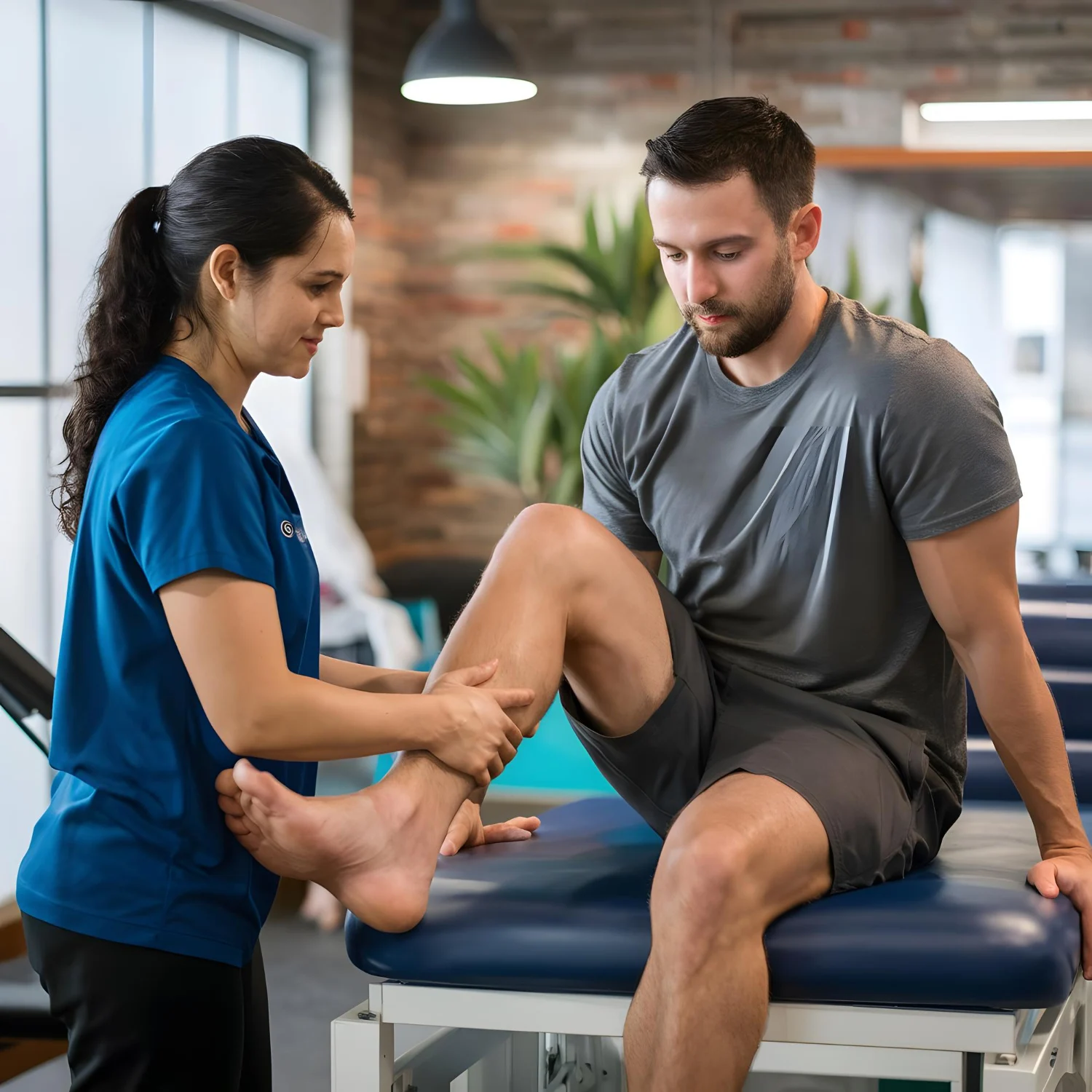
10 Common Causes of Lower Back Pain and How Physiotherapy Helps

Lower back pain is one of the most common health problems affecting people of all ages. It can interfere with daily activities such as walking, sitting, working, or even sleeping. In many cases, lower back pain develops gradually due to poor posture, muscle strain, or lifestyle habits.

Understanding the common causes of lower back pain is the first step toward effective treatment. Physiotherapy is one of the most recommended and effective treatments because it helps reduce pain, strengthen muscles, and restore proper movement without the need for surgery or long-term medication.

What is Lower Back Pain?

Lower back pain refers to discomfort or pain in the lumbar region of the spine, which is the lower portion of the back. This area supports most of the body’s weight and plays an important role in movement and stability.

Lower back pain can range from mild discomfort to severe pain and may be short-term (acute) or long-term (chronic).

10 Common Causes of Lower Back Pain

1. Poor Posture

Sitting or standing with incorrect posture puts excessive pressure on the spine and surrounding muscles. Over time, this strain can lead to chronic lower back pain.

  • Slouching while sitting.
  • Working long hours at a desk.
  • Improper sleeping positions.

2. Muscle Strain

Overstretching or tearing of back muscles due to heavy lifting or sudden movements can cause muscle strain, leading to pain and stiffness in the lower back.

  • Lifting heavy objects incorrectly.
  • Sudden twisting movements.
  • Overexertion during exercise.

3. Herniated Disc

A herniated or slipped disc occurs when the soft inner portion of a spinal disc pushes through its outer layer. This can press on nearby nerves and cause severe lower back pain.

  • Pain radiating to legs.
  • Numbness or tingling.
  • Weakness in muscles.

4. Sedentary Lifestyle

Spending long hours sitting with little physical activity weakens the core and back muscles, making the spine more vulnerable to injury and pain.

  • Long hours of desk work.
  • Lack of regular exercise.
  • Poor muscle strength.

5. Obesity

Excess body weight puts additional pressure on the spine and lower back muscles, increasing the risk of back pain.

  • Higher stress on spinal joints.
  • Reduced mobility.
  • Increased risk of chronic pain.

6. Degenerative Disc Disease

As people age, spinal discs gradually lose flexibility and cushioning ability. This condition can lead to chronic lower back pain and reduced mobility.

  • Age-related disc wear.
  • Reduced spinal flexibility.
  • Persistent back discomfort.

7. Sciatica

Sciatica occurs when the sciatic nerve becomes compressed or irritated, usually due to a herniated disc or spinal problem. It causes pain that radiates from the lower back down the leg.

  • Sharp shooting pain.
  • Numbness in legs.
  • Burning sensation along the nerve.

8. Injuries or Accidents

Sports injuries, falls, or car accidents can damage muscles, ligaments, or spinal structures, leading to lower back pain.

  • Sudden trauma to the back.
  • Ligament injuries.
  • Spinal misalignment.

9. Stress and Muscle Tension

Emotional stress can cause muscles in the back to tighten, which may lead to persistent pain and stiffness.

  • Muscle tightness.
  • Poor body posture during stress.
  • Reduced relaxation of muscles.

10. Weak Core Muscles

The core muscles support the spine and maintain proper posture. Weak core muscles can lead to instability and increased strain on the lower back.

  • Poor spinal support.
  • Higher risk of injury.
  • Reduced balance and stability.

How Physiotherapy Helps Treat Lower Back Pain

Physiotherapy is a safe and effective treatment for lower back pain. It focuses on improving mobility, strengthening muscles, and correcting posture to reduce pain and prevent future injuries.

Benefits of Physiotherapy

  • Reduces pain and inflammation.
  • Strengthens back and core muscles.
  • Improves flexibility and mobility.
  • Corrects posture and movement patterns.
  • Prevents recurring back pain.

Common Physiotherapy Treatments for Back Pain

Exercise Therapy

  • Strengthening exercises for core and back muscles.
  • Stretching exercises to improve flexibility.
  • Movement training for better posture.

Manual Therapy

  • Hands-on techniques to improve joint movement.
  • Muscle relaxation techniques.
  • Spinal mobilization.

Posture Correction

  • Training to maintain correct sitting and standing posture.
  • Workplace ergonomic advice.
  • Education on safe lifting techniques.

Pain Relief Techniques

  • Heat or cold therapy.
  • Ultrasound therapy.
  • Electrical stimulation therapy.

Conclusion

Lower back pain is a common condition that can affect people of all ages. It often develops due to lifestyle habits, muscle weakness, injuries, or spinal problems. Identifying the cause of back pain is essential for effective treatment.

Physiotherapy plays an important role in managing and preventing lower back pain. Through targeted exercises, posture correction, and pain relief techniques, physiotherapy helps restore mobility, strengthen muscles, and improve overall spinal health.

With proper care and regular physiotherapy, most people can significantly reduce lower back pain and return to a healthy, active lifestyle.


Desk Job Survival Guide: Preventing Neck and Shoulder Tension

Desk Job Survival Guide: Preventing Neck and Shoulder Tension

In today’s digital world, many professionals spend long hours working at a desk. While desk jobs are often less physically demanding than manual labor, prolonged sitting and improper workstation setup can lead to neck and shoulder tension. Over time, this discomfort can develop into chronic pain, reduced productivity, and poor overall health.

Fortunately, there are several practical strategies that can help prevent neck and shoulder tension. By making small adjustments to posture, workspace ergonomics, and daily habits, individuals can protect their muscles and maintain better physical well-being while working at a desk.

Common Causes of Neck and Shoulder Tension

Neck and shoulder discomfort is often the result of repetitive strain and poor posture during long working hours. When the body remains in the same position for extended periods, muscles become tight and fatigued.

  • Poor sitting posture
  • Improper computer screen height
  • Long periods of sitting without breaks
  • Stress and muscle tension
  • Incorrect keyboard and mouse positioning

Understanding these causes is the first step toward preventing discomfort and maintaining a healthier work routine.

Maintain Proper Sitting Posture

Correct posture plays a major role in preventing strain on the neck and shoulders. Sitting in a balanced position helps distribute body weight evenly and reduces unnecessary stress on muscles.

  • Keep your back straight and supported by the chair
  • Relax your shoulders and avoid hunching forward
  • Keep your feet flat on the floor
  • Position your head directly above your shoulders

Maintaining this posture helps reduce pressure on the spine and prevents muscle tension during long working hours.

Adjust Your Workstation Ergonomics

A well-designed workstation can significantly reduce the risk of neck and shoulder strain. Ensuring that your computer and desk setup supports natural body alignment is essential for long-term comfort.

  • Place the monitor at eye level
  • Keep the keyboard at elbow height
  • Use a chair with proper lumbar support
  • Position the mouse close to the keyboard

Proper ergonomic adjustments help maintain a comfortable working position and reduce muscle fatigue.

Take Regular Movement Breaks

Staying in one position for extended periods can cause muscles to stiffen and weaken. Taking short breaks throughout the day allows the body to move, stretch, and improve blood circulation.

  • Stand up and stretch every 30 to 60 minutes
  • Walk around the workspace briefly
  • Rotate your shoulders and gently move your neck
  • Change sitting positions occasionally

Regular movement breaks can prevent stiffness and improve overall comfort during the workday.

Incorporate Simple Stretching Exercises

Stretching exercises help relax tight muscles and restore flexibility in the neck and shoulder area. Practicing simple stretches during work breaks can reduce tension and improve posture.

  • Slowly tilt your head from side to side
  • Roll your shoulders forward and backward
  • Stretch your arms above your head
  • Gently turn your neck from left to right

These simple exercises can be performed in a few minutes and can significantly reduce muscle tension.

Manage Stress and Muscle Tension

Stress can cause muscles in the neck and shoulders to tighten, which may worsen physical discomfort. Managing stress through relaxation techniques can help maintain both mental and physical health.

  • Practice deep breathing exercises
  • Take short mental breaks during work
  • Maintain a balanced workload
  • Ensure adequate sleep and rest

Reducing stress helps prevent unnecessary muscle tension and supports overall well-being.

Benefits of Healthy Desk Habits

Developing healthy work habits not only prevents neck and shoulder tension but also improves productivity and long-term health. Small adjustments to daily routines can make a significant difference over time.

  • Reduced risk of chronic pain
  • Improved posture and spinal health
  • Better focus and productivity
  • Enhanced overall comfort during work

Conclusion

Desk jobs often require long hours of sitting, which can place strain on the neck and shoulders if proper precautions are not taken. By maintaining correct posture, optimizing workstation ergonomics, taking regular breaks, and practicing simple stretches, individuals can effectively prevent discomfort.

Adopting these healthy habits helps protect the body from strain and ensures a more comfortable and productive work environment.

Post-Surgical Rehabilitation: Why Your Recovery Starts on Day One

Post-Surgical Rehabilitation: Why Your Recovery Starts on Day One

Surgery is often an important step in treating injuries, correcting medical conditions, or improving overall health. However, the procedure itself is only part of the healing journey. True recovery begins immediately after surgery through a process known as post-surgical rehabilitation.

Post-surgical rehabilitation focuses on helping patients regain strength, mobility, and function after an operation. Starting rehabilitation early plays a critical role in reducing complications, speeding up healing, and helping individuals return to their normal daily activities as soon as possible.

What is Post-Surgical Rehabilitation

Post-surgical rehabilitation is a structured recovery program designed to support healing after a medical procedure. It often includes physical therapy, guided exercises, pain management techniques, and lifestyle adjustments.

The goal of rehabilitation is to restore movement, rebuild strength, and prevent long-term complications that may occur if recovery is not properly managed.

  • Improves mobility and flexibility
  • Strengthens muscles around the surgical area
  • Reduces pain and stiffness
  • Supports safe and faster recovery

Why Recovery Starts on Day One

Many people believe recovery begins only after leaving the hospital, but in reality, the healing process starts immediately after surgery. Early rehabilitation helps prevent complications such as muscle weakness, joint stiffness, and reduced circulation.

Medical professionals often encourage gentle movements and breathing exercises within the first day after surgery to support the body’s natural healing process.

  • Promotes blood circulation
  • Prevents muscle stiffness and weakness
  • Reduces the risk of blood clots
  • Encourages faster healing

Key Components of Post-Surgical Rehabilitation

A successful rehabilitation program usually involves several important components that work together to support the patient’s recovery.

Physical Therapy

Physical therapy is one of the most important parts of post-surgical recovery. A trained therapist guides patients through exercises that gradually restore movement, strength, and flexibility.

  • Improves joint mobility
  • Strengthens surrounding muscles
  • Enhances balance and coordination
  • Supports safe return to daily activities

Pain Management

Pain after surgery is common, but proper management is essential for effective recovery. When pain is controlled, patients can move more comfortably and participate fully in rehabilitation exercises.

  • Medication as prescribed by doctors
  • Cold or heat therapy
  • Relaxation techniques
  • Proper rest and positioning

Gradual Return to Activity

Returning to normal activities should happen gradually and under professional guidance. Doing too much too soon can slow recovery or cause further injury.

A well-designed rehabilitation program ensures that patients progress safely at each stage of healing.

  • Start with light movements and basic exercises
  • Increase activity levels slowly
  • Follow medical advice and therapy plans
  • Avoid heavy lifting or strenuous activity too early

Benefits of Early Rehabilitation

Beginning rehabilitation soon after surgery offers several advantages that improve the overall recovery experience.

  • Faster return to normal physical function
  • Reduced risk of long-term complications
  • Improved muscle strength and flexibility
  • Better overall physical and mental well-being

Importance of Following a Recovery Plan

Each surgical procedure requires a specific rehabilitation approach. Following the guidance of healthcare professionals ensures that recovery progresses safely and effectively.

Patients who actively participate in their rehabilitation program often experience better outcomes and regain independence more quickly.

  • Attend scheduled therapy sessions
  • Follow recommended exercise routines
  • Maintain a healthy lifestyle during recovery
  • Communicate any discomfort or concerns to medical professionals

Conclusion

Post-surgical rehabilitation is a vital part of the healing process. While surgery addresses the underlying medical issue, rehabilitation helps the body regain strength, mobility, and function.

Starting recovery on the first day after surgery can significantly improve outcomes and reduce the risk of complications. With proper guidance, dedication, and consistent effort, patients can recover more effectively and return to their daily lives with confidence.

5 Proven Ways to Relieve Lower Back Pain Without Surgery

5 Proven Ways to Relieve Lower Back Pain Without Surgery

Lower back pain is one of the most common health problems affecting millions of people worldwide. It can occur due to poor posture, muscle strain, prolonged sitting, heavy lifting, or underlying medical conditions. For many individuals, lower back pain can interfere with daily activities, work productivity, and overall quality of life.

The good news is that surgery is not always necessary to treat lower back pain. In many cases, simple lifestyle changes and non-invasive treatments can significantly reduce discomfort and improve mobility. Understanding effective methods to manage back pain naturally can help individuals recover faster and prevent future problems.

1. Improve Posture and Ergonomics

Poor posture is one of the leading causes of lower back pain, especially for people who spend long hours sitting at a desk or using electronic devices. Slouching or leaning forward places extra pressure on the spine and surrounding muscles.

Maintaining proper posture while sitting, standing, and walking can reduce strain on the lower back and support spinal health.

  • Sit with your back straight and shoulders relaxed
  • Keep your feet flat on the floor when sitting
  • Use a supportive chair or lumbar cushion
  • Avoid bending forward for long periods

2. Perform Regular Stretching and Exercise

Regular physical activity helps strengthen the muscles that support the spine. Stretching exercises can reduce muscle stiffness, improve flexibility, and relieve tension in the lower back.

Low-impact exercises are particularly helpful because they strengthen the body without placing excessive pressure on the spine.

  • Practice gentle stretching exercises daily
  • Strengthen core muscles through controlled workouts
  • Try activities such as walking or swimming
  • Avoid sudden or heavy movements that strain the back

3. Apply Heat or Cold Therapy

Heat and cold therapy are simple but effective methods for relieving lower back pain. Cold therapy helps reduce inflammation and swelling, while heat therapy relaxes tight muscles and improves blood circulation.

Using these therapies at the right time can significantly reduce discomfort and support the healing process.

  • Use cold packs during the first 24 to 48 hours of pain
  • Apply heat therapy to relax tight muscles
  • Use heating pads or warm compresses
  • Limit each therapy session to about 15 to 20 minutes

4. Maintain a Healthy Weight

Excess body weight places additional stress on the lower back and spine. Over time, this extra pressure can lead to muscle strain and chronic back pain.

Maintaining a healthy weight through balanced nutrition and regular exercise can reduce the load on the spine and improve overall health.

  • Follow a balanced and nutritious diet
  • Stay physically active throughout the week
  • Avoid prolonged inactivity
  • Focus on long-term healthy lifestyle habits

5. Practice Stress Management and Relaxation Techniques

Stress and tension can cause muscles to tighten, which may worsen lower back pain. Relaxation techniques help reduce muscle tension and promote overall physical and mental well-being.

Incorporating stress management strategies into daily routines can help prevent recurring pain episodes.

  • Practice deep breathing exercises
  • Try meditation or mindfulness techniques
  • Engage in relaxing activities such as yoga
  • Ensure adequate sleep and rest

When to Seek Medical Advice

While many cases of lower back pain improve with home care and lifestyle changes, some situations require medical attention. Persistent or severe pain may indicate an underlying medical condition that needs professional evaluation.

  • Pain lasting more than several weeks
  • Numbness or weakness in the legs
  • Pain that worsens over time
  • Difficulty standing or walking

If any of these symptoms occur, it is important to consult a healthcare professional for proper diagnosis and treatment.

Conclusion

Lower back pain can be uncomfortable and disruptive, but many effective treatments do not require surgery. Simple strategies such as improving posture, staying active, applying heat or cold therapy, maintaining a healthy weight, and managing stress can significantly reduce pain and improve spinal health.

By adopting healthy habits and paying attention to body mechanics, individuals can relieve lower back pain naturally and maintain better long-term physical well-being.

Sports Injury Rehabilitation: What Happens in a Physiotherapy Program?

Sports Injury Rehabilitation: What to Expect in a Physiotherapy Program

Sports injuries are common among athletes, fitness enthusiasts, and even beginners who suddenly increase their activity level. Whether it’s a ligament sprain, muscle tear, tendonitis, or post-surgery recovery, proper rehabilitation is essential for safe and complete healing.

A structured physiotherapy rehabilitation program helps reduce pain, restore mobility, rebuild strength, and prevent future injuries. In this blog, we’ll explain what happens in a sports injury physiotherapy program and what you can expect during your recovery journey.

Understanding Sports Injuries

Common sports injuries include:

  • Ankle sprains
  • ACL tears
  • Hamstring strains
  • Tennis elbow
  • Rotator cuff injuries
  • Knee ligament injuries

Without proper treatment, these injuries can become chronic and affect long-term performance.

What Happens in a Physiotherapy Program?

A sports injury rehabilitation program is usually divided into phases. Each phase focuses on a specific goal to ensure safe recovery.

1. Initial Assessment and Diagnosis

The first step in physiotherapy is a detailed assessment.

The physiotherapist will:

  • Ask about the injury history
  • Examine pain levels
  • Assess range of motion
  • Test muscle strength
  • Evaluate joint stability
  • Review medical reports or scans (if available)

This helps create a personalized rehabilitation plan tailored to your injury and fitness level.

2. Pain and Inflammation Management

During the early stage, the focus is on reducing pain and swelling.

Common techniques include:

  • Ice or heat therapy
  • Ultrasound therapy
  • Electrical stimulation (TENS)
  • Gentle mobility exercises
  • Manual therapy

Controlling inflammation is crucial before progressing to strengthening exercises.

3. Restoring Range of Motion

After pain is reduced, the next goal is to improve flexibility and joint movement.

This may include:

  • Passive stretching
  • Active-assisted exercises
  • Joint mobilization
  • Controlled movement drills

Regaining full movement prevents stiffness and long-term limitations.

4. Strength and Muscle Rebuilding

Once mobility improves, strengthening begins.

Exercises focus on:

  • Targeted muscle strengthening
  • Core stability training
  • Resistance band exercises
  • Weight training (gradual progression)

Strong muscles support injured joints and reduce the risk of re-injury.

5. Balance and Coordination Training

Sports injuries often affect balance and body control.

Physiotherapists include:

  • Proprioception exercises
  • Stability ball workouts
  • Single-leg balance drills
  • Agility training

These exercises retrain the body to respond properly during movement.

6. Sport-Specific Training

Before returning to sports, athletes undergo sport-specific drills.

For example:

  • Runners practice gradual jogging progression
  • Football players work on cutting and pivoting drills
  • Tennis players practice controlled swing movements

This phase ensures safe return to play without risking further injury.

7. Injury Prevention Education

A key part of physiotherapy is prevention.

Your physiotherapist may guide you on:

  • Proper warm-up routines
  • Correct posture and technique
  • Stretching exercises
  • Strength maintenance programs
  • Load management strategies

Education reduces the chance of recurring injuries.

How Long Does Sports Rehabilitation Take?

Recovery time depends on:

  • Type of injury
  • Severity
  • Age
  • Fitness level
  • Commitment to therapy

Minor injuries may take 2–4 weeks, while ligament tears or surgeries may require several months of structured rehabilitation.

Benefits of a Structured Physiotherapy Program

  • Faster recovery
  • Reduced pain
  • Improved flexibility
  • Restored strength
  • Better performance
  • Lower risk of re-injury

Skipping rehabilitation can lead to incomplete healing and chronic pain issues.

When Should You See a Physiotherapist?

You should consult a physiotherapist if you experience:

  • Persistent pain
  • Swelling that doesn’t reduce
  • Limited movement
  • Weakness in a joint
  • Difficulty returning to sports

Early intervention leads to better outcomes.

Conclusion

Sports injury rehabilitation is a step-by-step recovery process designed to restore function, strength, and confidence. A well-planned physiotherapy program doesn’t just treat the injury — it prepares you to return stronger and safer.

Whether you are a professional athlete or someone who enjoys weekend sports, proper rehabilitation is the key to long-term performance and injury prevention.

Top 10 Benefits of Regular Physiotherapy for Everyday Health

Top 10 Benefits of Regular Physiotherapy for Everyday Health

In today’s fast-paced lifestyle, many people suffer from back pain, neck stiffness, joint problems, and stress-related body aches. Long working hours, poor posture, lack of exercise, and injuries can affect overall health. This is where regular physiotherapy plays a powerful role.

Physiotherapy is not only for injury recovery — it is also essential for maintaining everyday health, mobility, and quality of life. In this blog, we will explore the top 10 benefits of regular physiotherapy for everyday health and why you should consider making it part of your wellness routine.

1. Reduces Chronic Pain

One of the biggest benefits of physiotherapy is pain relief. Whether it’s:

  • Back pain
  • Neck stiffness
  • Knee pain
  • Shoulder discomfort

Physiotherapists use targeted exercises, manual therapy, and stretching techniques to reduce pain naturally without heavy medication.

Regular sessions help prevent pain from becoming chronic.

2. Improves Mobility and Flexibility

Stiff joints and tight muscles can limit daily activities. Physiotherapy improves:

  • Joint mobility
  • Muscle flexibility
  • Overall body movement

Better flexibility reduces the risk of injuries and helps you move comfortably throughout the day.

3. Enhances Posture

Poor posture from sitting long hours at a desk or using mobile devices can cause:

  • Neck pain
  • Lower back pain
  • Rounded shoulders

Physiotherapy helps correct posture through strengthening and alignment exercises, improving body balance and preventing long-term spinal issues.

4. Prevents Injuries

Prevention is always better than cure. Regular physiotherapy:

  • Strengthens weak muscles
  • Improves balance
  • Enhances coordination
  • Identifies early risk factors

Athletes and office workers alike can benefit from preventive physiotherapy sessions.

5. Speeds Up Recovery After Injury

If you’ve experienced a sports injury, surgery, or accident, physiotherapy accelerates recovery by:

  • Restoring muscle strength
  • Improving range of motion
  • Reducing swelling
  • Rebuilding endurance

A structured rehab program ensures safe and complete healing.

6. Supports Better Joint Health

Conditions like arthritis and joint stiffness can worsen over time. Physiotherapy helps:

  • Reduce joint inflammation
  • Improve joint lubrication
  • Strengthen surrounding muscles

This makes everyday tasks like walking, climbing stairs, or lifting objects easier and less painful.

7. Improves Blood Circulation

Many physiotherapy techniques stimulate blood flow, which:

  • Promotes faster healing
  • Reduces muscle tension
  • Improves oxygen delivery
  • Boosts overall energy levels

Better circulation supports overall body function.

8. Helps Manage Lifestyle Disorders

Physiotherapy can support people dealing with:

  • Obesity
  • Diabetes
  • Cardiovascular conditions
  • Sedentary lifestyle issues

Customized exercise plans improve physical fitness and overall health safely.

9. Reduces Stress and Improves Mental Health

Physical pain and limited mobility can affect mental well-being. Regular physiotherapy:

  • Relieves muscle tension
  • Encourages physical activity
  • Improves sleep quality
  • Boosts mood

Movement therapy naturally releases endorphins, which reduce stress and anxiety.

10. Promotes Healthy Aging

As we age, muscle strength and flexibility decrease. Physiotherapy helps older adults:

  • Maintain independence
  • Improve balance
  • Reduce fall risk
  • Stay active longer

Regular therapy supports healthy aging and improves quality of life.

Who Should Consider Regular Physiotherapy?

Physiotherapy is beneficial for:

  • Office workers
  • Athletes
  • Elderly individuals
  • Post-surgery patients
  • People with chronic pain
  • Anyone with a sedentary lifestyle

You don’t need to wait for severe pain to start physiotherapy — it works best as a preventive approach.

How Often Should You Do Physiotherapy?

The frequency depends on:

  • Your condition
  • Fitness level
  • Health goals

For general health maintenance, 1–2 sessions per week can provide noticeable benefits. A licensed physiotherapist can create a customized plan.

Conclusion

Regular physiotherapy is not just about rehabilitation — it is about maintaining everyday health, preventing injuries, and improving overall quality of life. From reducing chronic pain and improving posture to supporting mental well-being and healthy aging, physiotherapy offers long-term benefits for people of all ages.

Investing in regular physiotherapy today can help you live a healthier, more active, and pain-free life tomorrow.

How Physiotherapy Helps After Sports Injuries: A Complete Recovery Guide

How Physiotherapy Helps After Sports Injuries

Sports injuries are common among athletes, fitness enthusiasts, and even people who play recreational sports. Whether it is a sprained ankle, torn ligament, muscle strain, or post-surgical condition, recovery plays a critical role in returning to normal activity. One of the most effective and scientifically proven methods for recovery after sports injuries is physiotherapy.

Physiotherapy not only helps in reducing pain but also restores movement, strength, flexibility, and confidence. This article explains how physiotherapy helps after sports injuries, why it is essential, and how it supports long-term physical health.

Understanding Sports Injuries

Sports injuries occur due to sudden trauma, overuse, improper technique, lack of warm-up, or poor conditioning. These injuries can affect muscles, joints, ligaments, tendons, bones, and nerves.

Common Types of Sports Injuries

  • Muscle strains and tears
  • Ligament injuries (ACL, MCL, ankle sprains)
  • Tendinitis
  • Stress fractures
  • Dislocations
  • Shoulder and knee injuries
  • Post-surgical rehabilitation injuries

Ignoring proper rehabilitation can lead to chronic pain, reduced performance, and recurring injuries.

What Is Physiotherapy?

Physiotherapy is a healthcare profession focused on restoring movement and physical function through exercise, manual therapy, education, and rehabilitation techniques. It is guided by scientific assessment and personalized treatment plans.

Physiotherapists are trained professionals who understand body mechanics and injury patterns, especially in athletes and active individuals.

Why Physiotherapy Is Essential After Sports Injuries

Many people believe rest alone is enough after an injury. While rest is important, complete recovery requires guided movement and rehabilitation. Physiotherapy ensures that healing happens correctly and safely.

Key Reasons Physiotherapy Is Necessary

  • Prevents long-term complications
  • Reduces pain and inflammation
  • Restores mobility and strength
  • Improves balance and coordination
  • Prevents re-injury
  • Enhances overall performance

How Physiotherapy Helps in Sports Injury Recovery

1. Pain Management and Inflammation Reduction

Physiotherapy uses various techniques to reduce pain without relying heavily on medications.

  • Ice and heat therapy
  • Electrotherapy
  • Ultrasound therapy
  • Manual therapy

These methods help decrease swelling, improve blood circulation, and accelerate the healing process.

2. Restoring Range of Motion

After an injury, joints and muscles often become stiff due to swelling or immobilization. Physiotherapy focuses on gentle, progressive movements to restore flexibility.

  • Prevents joint stiffness
  • Improves muscle elasticity
  • Restores normal movement patterns

3. Strengthening Injured Muscles

Weak muscles increase the risk of re-injury. Physiotherapists design progressive strengthening programs that rebuild muscle power safely.

  • Supports injured joints
  • Improves stability
  • Enhances endurance
  • Restores functional performance

4. Improving Balance and Coordination

Sports injuries often disrupt balance and proprioception (body awareness). Physiotherapy includes balance training to retrain the nervous system.

  • Ankle injuries
  • Knee ligament injuries
  • Post-surgical rehabilitation

Better balance reduces the risk of future injuries.

5. Speeding Up Recovery Time

With structured physiotherapy, recovery becomes faster and more effective compared to rest alone.

  • Promotes proper tissue healing
  • Prevents muscle atrophy
  • Maintains cardiovascular fitness

6. Preventing Re-Injury

One of the most valuable benefits of physiotherapy is injury prevention.

  • Corrective exercises
  • Technique correction
  • Sport-specific training

7. Post-Surgical Rehabilitation

After sports-related surgeries such as ACL reconstruction or rotator cuff repair, physiotherapy is essential.

  • Reduces scar tissue
  • Restores joint function
  • Rebuilds strength gradually
  • Ensures safe return to activity

8. Mental Confidence and Motivation

Injuries often affect mental health, causing fear and hesitation. Physiotherapy helps rebuild confidence.

  • Trust in the body
  • Reduced fear of movement
  • Motivation to stay active

Sports-Specific Physiotherapy Programs

  • Runners: Knee, ankle, and hip alignment
  • Footballers: Agility, strength, and balance
  • Swimmers: Shoulder mobility and core strength
  • Tennis players: Elbow, wrist, and shoulder rehabilitation

When Should You Start Physiotherapy After a Sports Injury?

Physiotherapy can begin within 24–48 hours depending on injury severity. Early intervention improves outcomes.

Physiotherapy vs Painkillers: A Long-Term Solution

  • No side effects
  • Long-term improvement
  • Functional recovery

Role of Physiotherapy in Long-Term Athletic Performance

  • Improves flexibility
  • Enhances muscle efficiency
  • Prevents overuse injuries
  • Maintains joint health

Choosing the Right Physiotherapist

  • Experience in sports rehabilitation
  • Certified and trained professional
  • Personalized treatment plans
  • Clear communication

Conclusion

Physiotherapy plays a crucial role in recovery after sports injuries. It restores movement, strength, balance, and confidence while preventing future injuries.

Frequently Asked Questions (FAQ)

1. How long does physiotherapy take after a sports injury?

Duration depends on injury severity. Minor injuries may take weeks, while major injuries may require months.

2. Is physiotherapy painful?

Mild discomfort is normal, but severe pain should be avoided.

3. Can physiotherapy completely heal sports injuries?

Results depend on injury severity and consistency of treatment.

4. Do I need physiotherapy if my pain is gone?

Yes. Pain relief does not guarantee full recovery.

5. Can physiotherapy prevent future sports injuries?

Yes. It improves strength, balance, and movement patterns.

6. Is physiotherapy suitable for non-athletes?

Absolutely. Anyone can benefit from physiotherapy.

7. How often should I attend physiotherapy sessions?

Usually 2–3 times per week initially.

8. Can physiotherapy replace surgery?

In some cases, yes. Severe injuries may still require surgery.

Sports Injury Prevention: How Professional Athletes Stay Injury-Free During High-Intensity Training

How Professional Athletes Prevent Sports Injuries During High-Intensity Training

High-intensity training pushes the human body to its absolute limits. Speed, power, endurance, and explosive strength are demanded every single day. Yet, despite these extreme physical loads, professional athletes remain remarkably injury-free compared to amateurs.

This is not luck. It is the result of science-backed injury prevention strategies, strict discipline, and intelligent training systems.

In this article, we break down how professional athletes prevent sports injuries during high-intensity training, and what recreational athletes, gym-goers, and fitness enthusiasts can learn from them.

Why Injury Prevention Is Critical in Professional Sports

For elite athletes, injury is not just pain—it can mean:

  • Missed competitions
  • Loss of performance form
  • Contract termination
  • Career-ending damage

That’s why injury prevention is treated as seriously as performance training. According to global sports health frameworks, structured injury prevention programs can reduce sports injuries by 30–50%.

1. Smart Warm-Up Protocols

Professional athletes never jump straight into training.

What Professionals Do Differently

  • Dynamic mobility drills
  • Sport-specific movement preparation
  • Gradual nervous system activation

Why it works: Proper warm-ups increase blood flow, improve joint lubrication, and activate stabilizing muscles, making tissues more resistant to stress.

Static stretching before training is avoided, while dynamic movement-based warm-ups are preferred.

2. Strength & Conditioning for Injury Resistance

Professional athletes train to prevent injury, not just to look strong.

Key Focus Areas

  • Eccentric strength for muscle control
  • Core stability
  • Joint stabilizer muscles
  • Tendon and ligament strength

Result: Stronger tissues absorb force better, reducing muscle strains, tears, and overload injuries. This is why professionals rarely suffer muscle tears during explosive movements.

3. Load Management & Training Periodization

One of the biggest mistakes amateurs make is doing too much, too often.

How Professionals Avoid Overuse Injuries

  • Planned training cycles
  • Scheduled recovery days
  • Gradual intensity progression
  • Monitoring weekly training load

What Athletes Track

  • Training volume
  • Training intensity
  • Fatigue levels

This prevents common injuries such as tendinitis, stress fractures, and muscle overuse injuries.

4. Movement Screening & Biomechanical Analysis

Before pain appears, professionals identify movement flaws.

Assessment Tools Used

  • Functional movement screening
  • Gait analysis
  • Posture and alignment assessment
  • Muscle imbalance testing

Why this matters: Small movement asymmetries can lead to major injuries if ignored.

Early correction helps prevent ACL injuries, lower back pain, and shoulder impingement.

5. Recovery Is Treated as Training

Professional athletes do not rest only when injured—they recover every day.

Daily Recovery Strategies

  • Sports massage
  • Foam rolling
  • Cold therapy or contrast therapy
  • Compression therapy
  • Quality sleep (7–9 hours)

Sleep is the most important recovery tool, as most muscle repair happens during deep sleep.

6. Sports Physiotherapy & Preventive Care

Athletes do not wait for pain before seeing a sports physiotherapist.

Preventive Physiotherapy Includes

  • Joint mobility maintenance
  • Muscle activation work
  • Soft tissue release
  • Early injury detection

This proactive approach prevents minor issues from turning into major injuries.

7. Perfect Technique & Skill Training

Poor technique increases injury risk, even in strong athletes.

Professionals Constantly Refine

  • Running mechanics
  • Lifting technique
  • Landing and deceleration mechanics
  • Sport-specific movement patterns

Efficient movement means less joint stress and fewer injuries.

8. Nutrition & Hydration for Tissue Health

Muscles, tendons, and ligaments need proper fuel to stay strong.

Injury-Preventive Nutrition Includes

  • Adequate protein intake
  • Anti-inflammatory foods
  • Micronutrients such as calcium, magnesium, and vitamin D
  • Proper hydration

Dehydrated or under-fueled tissues are far more injury-prone.

9. Mental Load & Stress Management

Mental fatigue negatively affects physical coordination.

Professional Stress-Management Techniques

  • Mindfulness training
  • Breathing techniques
  • Mental recovery sessions

Reduced mental stress improves reaction time and movement quality, lowering injury risk.

What Regular Athletes Can Learn from Professionals

You don’t need elite facilities—just elite habits.

Apply These 5 Rules

  • Never skip warm-up
  • Train strength for stability
  • Respect recovery days
  • Fix movement flaws early
  • Treat pain as a warning, not a challenge

Common Myths About Sports Injuries

  • Pain is part of training – Pain is a signal, not a badge
  • Stretching alone prevents injury – Strength and control matter more
  • Only professionals need recovery – Amateurs need it even more

Frequently Asked Questions

1. How do professional athletes avoid injuries?

They use structured warm-ups, strength training, load management, recovery protocols, and sports physiotherapy.

2. Can injury prevention really reduce injury risk?

Yes. Consistent injury prevention can reduce injury risk by 30–50%.

3. Is recovery more important than training?

Both are equally important. Training breaks the body down, while recovery rebuilds it.

4. Should non-athletes follow these methods?

Absolutely. These principles apply to any physically active individual.

5. When should I see a sports physiotherapist?

If pain lasts more than 7–10 days or keeps recurring.

Conclusion

Professional athletes don’t stay injury-free because they train harder—they stay injury-free because they train smarter.

Injury prevention is not a break from training; it is a core part of peak performance.

The “Text Neck” Epidemic: How Your Smartphone is Damaging Your Spine — and How to Fix It

Text Neck: The Hidden Spine Damage Caused by Smartphones

Smartphones have changed the way we live, work, and communicate. But behind this convenience lies a growing modern health crisis known as Text Neck. From teenagers to office professionals, millions of people are unknowingly damaging their neck and spine every single day—simply by looking down at their phones.

This is no longer a minor posture issue. Doctors and physiotherapists worldwide now recognize text neck syndrome as a serious musculoskeletal disorder with long-term consequences if ignored.

Let’s understand what text neck is, how smartphones damage your spine, and most importantly—how you can fix and prevent it.

What Is Text Neck?

Text neck refers to neck pain and spinal damage caused by prolonged forward head posture while using smartphones, tablets, or laptops.

When you tilt your head forward to look at a screen, the load on your cervical spine increases dramatically—far beyond what your neck muscles are designed to handle.

According to posture-related health data acknowledged by global health authorities, poor posture is a leading contributor to chronic neck pain and back pain worldwide.

Common Symptoms

  • Persistent neck pain and stiffness
  • Shoulder tightness
  • Upper back pain
  • Frequent headaches
  • Tingling or numbness in arms
  • Reduced neck mobility
  • Poor posture with hunched shoulders

Advanced Complications

  • Cervical disc degeneration
  • Nerve compression
  • Early spinal arthritis

Why Text Neck Is Becoming an Epidemic

1. Excessive Smartphone Usage

Average screen time today exceeds 6–8 hours per day.

2. Poor Posture Habits

Phones are usually used below eye level, encouraging forward head posture.

3. Lack of Physical Activity

Weak neck, shoulder, and core muscles increase postural stress.

4. No Posture Awareness

Most people don’t realize the damage until pain appears.

This combination has made text neck one of the fastest-growing lifestyle disorders.

Long-Term Effects If Text Neck Is Ignored

Text neck is not just discomfort—it can permanently alter spinal alignment.

Possible Long-Term Consequences

  • Chronic neck and shoulder pain
  • Rounded shoulders and hunched back
  • Reduced lung capacity due to posture changes
  • Early cervical spine degeneration
  • Increased risk of slipped disc

Once structural spinal changes occur, correction becomes much harder.

How to Fix Text Neck: Practical & Proven Solutions

1. Correct Your Phone Posture

Golden rule: Bring the phone to eye level instead of bending your neck down.
Even small posture corrections significantly reduce spinal load.

2. Follow the 20–20–20 Posture Rule

Every 20 minutes, look up, move your neck, and reset your posture for 20 seconds.
This prevents muscle fatigue and stiffness.

3. Daily Neck & Upper Back Exercises

Simple Exercises (5–10 Minutes Daily)

  • Chin tucks
  • Neck side stretches
  • Shoulder blade squeezes
  • Chest opening stretches

These exercises strengthen neck muscles, improve posture, and reduce pain and stiffness.

4. Strengthen Postural Muscles

Weak muscles lead to poor posture.

  • Upper back muscles
  • Shoulder stabilizers
  • Core muscles

Strong muscles support the spine and reduce neck strain.

5. Limit Continuous Screen Time

  • Avoid long scrolling sessions
  • Use voice commands when possible
  • Take regular breaks

Less screen time means less spinal stress.

When Should You See a Physiotherapist?

Seek professional help if you experience:

  • Pain lasting more than 2–3 weeks
  • Tingling or numbness in arms
  • Frequent headaches from neck strain
  • Reduced neck movement

Early physiotherapy can reverse text neck before permanent damage occurs.

Text Neck in Children & Teenagers

Children’s spines are still developing, making them more vulnerable.

Risks in Children

  • Lifelong spinal issues
  • Reduced concentration
  • Chronic pain in adulthood

Parents Should Encourage

  • Screen time limits
  • Eye-level device usage
  • Regular physical activity

Myths About Text Neck

  • Only elderly people get neck pain – Text neck affects all age groups
  • Pain is temporary – Structural damage can be permanent
  • Gym alone will fix posture – Posture-specific exercises are essential

Frequently Asked Questions

1. What is text neck?

Text neck is neck and spine strain caused by prolonged forward head posture while using smartphones.

2. Can text neck be reversed?

Yes. Early treatment with posture correction and targeted exercises can reverse it.

3. How long does it take to fix text neck?

Mild cases improve within 2–4 weeks with consistency.

4. Is text neck serious?

Yes. If ignored, it can cause chronic spinal degeneration.

5. Does using a phone at eye level help?

Yes. It dramatically reduces pressure on the neck.

Conclusion

Your smartphone is a powerful tool—but your spine is paying the price.

The text neck epidemic is a silent threat caused by daily habits, not accidents.
The good news is that it is completely preventable and reversible with awareness and small daily changes.

Post-Surgery Recovery: 5 Reasons Why Physiotherapy is Crucial After Knee or Hip Replacement

Knee and Hip Replacement Surgeries: Why Physiotherapy Is Essential for Recovery

Knee and hip replacement surgeries can be life-changing, relieving chronic pain and restoring mobility. But surgery alone is not the finish line—it’s the starting point of recovery. The real success of a knee replacement or hip replacement depends heavily on post-surgery physiotherapy.

Without proper rehabilitation, patients may experience stiffness, muscle weakness, imbalance, or even long-term mobility limitations. This is why doctors worldwide strongly recommend structured physiotherapy after joint replacement.

Below are 5 scientifically backed reasons why physiotherapy is absolutely crucial after knee or hip replacement surgery.

Why Post-Surgery Physiotherapy Matters

Joint replacement surgery changes the biomechanics of your body. Muscles, ligaments, and nerves must relearn how to work together. According to global rehabilitation standards, early and guided physiotherapy significantly improves surgical outcomes and quality of life.

1. Restores Joint Mobility & Range of Motion

After surgery, joint stiffness is common due to swelling, scar tissue, and reduced movement.

How Physiotherapy Helps

  • Gradual joint mobilization
  • Controlled bending and straightening exercises
  • Prevention of scar tissue tightness

Result: Patients regain optimal knee or hip flexibility, making daily activities like walking, sitting, and climbing stairs easier.
Without physiotherapy, joints may never reach full functional range.

2. Strengthens Muscles Around the New Joint

Surgery weakens surrounding muscles—especially quadriceps, hamstrings, gluteals, and hip stabilizers.

Physiotherapy Focus

  • Muscle reactivation exercises
  • Progressive resistance training
  • Balance and core strengthening

Result: Strong muscles provide joint stability, protect the implant, and reduce the risk of falls.
Weak muscles lead to pain, instability, and delayed recovery.

3. Reduces Pain, Swelling & Inflammation Naturally

Many patients fear movement because of pain—but controlled movement actually reduces pain.

Physiotherapy Techniques Used

  • Ice and heat therapy
  • Gentle movement therapy
  • Manual therapy techniques
  • Swelling control exercises

Result: Less dependency on painkillers and faster healing.
Physiotherapy improves blood circulation, which accelerates tissue repair.

4. Improves Walking Pattern & Prevents Long-Term Disability

After surgery, many patients develop incorrect walking habits due to fear or weakness.

Gait Training in Physiotherapy

  • Correct weight distribution
  • Step-by-step walking re-education
  • Balance and coordination drills

Result: Normal walking pattern, reduced stress on other joints, and lower risk of back pain or opposite knee pain.
Skipping gait training can cause permanent movement problems.

5. Speeds Up Recovery & Protects the Implant

Joint implants are designed to last 15–25 years, but only if used correctly.

Physiotherapy Ensures

  • Safe movement mechanics
  • Controlled joint loading
  • Avoidance of harmful postures

Result: Faster return to daily activities, longer implant lifespan, and reduced chances of revision surgery.
Patients who follow physiotherapy protocols recover weeks faster.

When Should Physiotherapy Start After Surgery?

Ideally within 24–48 hours after surgery, under medical guidance.

Typical Rehabilitation Timeline

  • Week 1–2: Pain control and gentle mobility
  • Week 3–6: Strength training and walking practice
  • Week 6–12: Functional independence
  • 3+ months: Advanced strength and endurance

Consistency is more important than intensity.

Common Myths About Post-Surgery Physiotherapy

  • Pain means I should stop exercising – Correct exercises reduce pain
  • Walking alone is enough – Muscle and mobility training are essential
  • Physiotherapy is optional – It is critical for full recovery

Who Needs Physiotherapy the Most After Joint Replacement?

Physiotherapy is essential for all patients, especially:

  • Elderly individuals
  • Patients with diabetes or obesity
  • People with pre-surgery stiffness
  • Those aiming for an active lifestyle

Frequently Asked Questions

1. How long is physiotherapy required after knee or hip replacement?

Usually 6–12 weeks, depending on age, health, and recovery goals.

2. Is physiotherapy painful after surgery?

Mild discomfort is normal, but therapy is designed to be safe and progressive.

3. Can I skip physiotherapy if I feel fine?

No. Skipping rehab can lead to hidden long-term problems.

4. Does physiotherapy really improve implant life?

Yes. Proper movement reduces wear and tear on the implant.

5. Is physiotherapy safe for elderly patients?

Absolutely. Programs are customized and medically supervised.

Conclusion

Joint replacement surgery fixes the joint—but physiotherapy restores life.

If you want faster recovery, less pain, better mobility, longer implant life, and independence in daily activities, then physiotherapy after knee or hip replacement is not optional—it is essential.