Physiotherapy Exercises for Improving Posture and Mobility

Introduction

Good posture and smooth mobility are essential for a healthy, pain-free life. In today’s modern lifestyle, long hours of sitting, excessive screen time, poor workstation setup, and lack of physical activity have led to widespread posture problems and reduced mobility. These issues commonly cause neck pain, back pain, shoulder stiffness, joint discomfort, and fatigue.

Many people depend on temporary relief methods, but physiotherapy focuses on long-term improvement. Through targeted exercises and movement training, physiotherapy helps strengthen weak muscles, stretch tight areas, and retrain the body to move efficiently.

This blog explains how physiotherapy exercises improve posture and mobility, along with commonly recommended exercises and their benefits.

Understanding Posture and Mobility

Posture refers to the alignment of the body while sitting, standing, or moving. Mobility refers to the ability of joints and muscles to move freely through their normal range of motion.

When posture is poor:

  • Muscle imbalances develop
  • Joints become stiff
  • Movement becomes restricted
  • Pain and fatigue increase

Improving posture and mobility together is essential for long-term musculoskeletal health.

Common Causes of Poor Posture and Reduced Mobility

Some common causes include:

  • Prolonged sitting or desk work
  • Slouching while using mobile phones
  • Weak core and back muscles
  • Tight hip flexors and chest muscles
  • Lack of regular physical activity
  • Previous injuries

Physiotherapy assessment helps identify these issues and correct them systematically.

How Physiotherapy Helps Improve Posture and Mobility

Physiotherapy focuses on restoring balance between strength and flexibility. A physiotherapist assesses posture, movement patterns, and muscle strength before designing a personalized exercise plan.

Physiotherapy helps by:

  • Strengthening postural muscles
  • Stretching tight muscles
  • Improving joint flexibility
  • Correcting faulty movement patterns
  • Reducing pain and stiffness

Key Physiotherapy Exercises for Better Posture

1. Chin Tuck Exercise

This exercise strengthens deep neck muscles and corrects forward head posture.

Benefits:

  • Improved neck alignment
  • Reduced neck pain
  • Better head posture

2. Shoulder Blade Squeeze

Targets upper back and shoulder muscles.

Benefits:

  • Corrects rounded shoulders
  • Strengthens upper back muscles
  • Reduces neck and shoulder tension

3. Wall Posture Exercise

Standing against a wall trains the body to maintain proper alignment.

Benefits:

  • Improved spinal awareness
  • Better standing posture
  • Reduced slouching habits

4. Core Strengthening Exercises

A strong core supports the spine and maintains proper posture. Common exercises include:

  • Pelvic tilts
  • Abdominal bracing
  • Modified planks

A strong core reduces back strain during daily activities.

Physiotherapy Exercises for Improving Mobility

1. Neck Mobility Exercises

Gentle movements improve neck flexibility and reduce stiffness.

  • Improved range of motion
  • Reduced muscle stiffness
  • Better movement control

2. Shoulder Mobility Exercises

Helpful for people with shoulder stiffness due to inactivity or poor posture.

  • Restores shoulder movement
  • Reduces joint tightness
  • Improves arm function

3. Spinal Mobility Exercises

Improve flexibility of the spine and back muscles.

  • Reduced back stiffness
  • Improved bending and twisting
  • Better overall movement

4. Hip Mobility Exercises

Tight hips negatively affect posture and walking patterns. Physiotherapy focuses on:

  • Stretching hip flexors
  • Improving hip joint mobility
  • Enhancing walking and sitting posture

Stretching Exercises for Muscle Balance

Stretching tight muscles is essential for posture correction. Common stretches include:

  • Chest stretches for rounded shoulders
  • Hamstring stretches for pelvic alignment
  • Hip flexor stretches for upright posture

Balance and Coordination Exercises

Reduced mobility often affects balance and stability. Physiotherapy balance training:

  • Improves stability
  • Reduces risk of falls
  • Enhances movement confidence

Importance of Correct Technique

Incorrect exercise technique can cause strain or injury. Physiotherapists ensure:

  • Correct exercise posture
  • Safe movement patterns
  • Gradual progression

How Often Should Physiotherapy Exercises Be Done?

  • Exercises should be done regularly
  • Short daily sessions are more effective
  • Consistency matters more than intensity
  • Progress should be gradual and comfortable

Lifestyle Tips to Support Better Posture and Mobility

  • Proper workstation ergonomics
  • Regular movement breaks
  • Maintaining healthy body weight
  • Staying physically active

Who Can Benefit from These Exercises?

  • Office workers
  • Students
  • Elderly individuals
  • Post-injury patients
  • Anyone with stiffness or poor posture

Long-Term Benefits of Physiotherapy Exercises

  • Improved posture
  • Better flexibility and mobility
  • Reduced pain and stiffness
  • Increased energy and confidence
  • Improved quality of life

Conclusion

Poor posture and reduced mobility are common in modern life, but they are not permanent. Physiotherapy exercises provide a safe and effective way to correct posture, improve mobility, and prevent future pain.

By strengthening weak muscles, stretching tight areas, and improving movement patterns, physiotherapy helps the body function efficiently. With consistency and professional guidance, these exercises support a healthier, more active lifestyle.


Role of Physiotherapy in Post-Surgery Rehabilitation

Introduction

Surgery is often an important step toward treating injuries, correcting deformities, or improving quality of life. However, surgery alone does not guarantee full recovery. After any surgical procedure, the body needs proper guidance and support to heal correctly, regain strength, and return to normal function. This is where physiotherapy plays a crucial role.

Post-surgery rehabilitation through physiotherapy helps patients recover faster, reduce complications, and restore mobility in a safe and structured way. Whether it is orthopedic surgery, joint replacement, spine surgery, or abdominal surgery, physiotherapy ensures that recovery is complete and long-lasting.

This blog explains the role of physiotherapy in post-surgery rehabilitation and why it is an essential part of the healing process.

Understanding Post-Surgery Rehabilitation

Post-surgery rehabilitation refers to the process of helping the body recover after an operation. Surgery can cause:

  • Pain and swelling
  • Muscle weakness
  • Joint stiffness
  • Reduced mobility
  • Loss of balance or coordination

Without proper rehabilitation, these issues may persist and limit daily activities. Physiotherapy helps address these problems gradually and safely.

What Is Post-Surgical Physiotherapy?

Post-surgical physiotherapy is a specialized treatment approach designed to restore movement, strength, and function after surgery. A physiotherapist assesses the patient’s condition and creates a personalized rehabilitation plan based on:

  • Type of surgery
  • Patient’s age and fitness level
  • Pain and mobility limitations
  • Recovery goals

The focus is on healing while preventing further injury.

Why Physiotherapy Is Important After Surgery

Physiotherapy is not just about exercise; it is a complete recovery strategy. After surgery, the body is vulnerable, and incorrect movement can delay healing.

Physiotherapy helps by:

  • Promoting proper tissue healing
  • Preventing stiffness and muscle loss
  • Reducing pain and swelling
  • Improving mobility and strength
  • Restoring confidence in movement

Key Roles of Physiotherapy in Post-Surgery Rehabilitation

1. Pain and Swelling Management

Pain and swelling are common after surgery. Physiotherapy uses gentle movements, positioning, and therapeutic techniques to reduce discomfort.

  • Faster pain relief
  • Reduced inflammation
  • Improved comfort

2. Restoring Mobility and Movement

Surgery often limits joint and muscle movement. Prolonged immobility can cause stiffness and delayed recovery.

  • Gradual joint mobility restoration
  • Improved flexibility
  • Safe movement encouragement

3. Regaining Muscle Strength

Muscle weakness develops quickly after surgery due to inactivity. Physiotherapy includes progressive strengthening exercises.

  • Better joint support
  • Improved balance
  • Reduced re-injury risk

4. Preventing Post-Surgical Complications

  • Blood clots
  • Muscle shortening
  • Joint stiffness
  • Poor circulation

Physiotherapy improves circulation and mobility, reducing complication risks.

5. Improving Balance and Coordination

After surgery, especially in older adults, balance and coordination may be affected.

  • Improved body control
  • Reduced fall risk
  • Increased confidence

6. Correcting Posture and Movement Patterns

Post-surgery pain often causes poor posture or compensatory movements.

  • Posture correction
  • Safe movement training
  • Reduced strain on healing tissues

7. Supporting Mental and Emotional Recovery

Recovery is also mental and emotional. Physiotherapy:

  • Encourages gradual progress
  • Builds confidence
  • Reduces fear and anxiety

8. Preparing for Daily Activities and Work

  • Walking
  • Climbing stairs
  • Sitting and standing
  • Work-related tasks

Types of Surgeries That Benefit from Physiotherapy

  • Joint replacement surgeries
  • Spine surgeries
  • Fracture fixation surgeries
  • Sports injury surgeries
  • Abdominal and chest surgeries

When Should Physiotherapy Start After Surgery?

  • Within hours or days after surgery
  • After medical clearance

Importance of Following the Rehabilitation Plan

  • Safe and steady improvement
  • Reduced complications
  • Long-term recovery success

Long-Term Benefits of Post-Surgical Physiotherapy

  • Improved mobility
  • Reduced long-term pain
  • Better strength and endurance
  • Improved quality of life

Conclusion

Physiotherapy is a vital part of post-surgery rehabilitation. It restores movement, strength, and confidence while preventing complications.

Physiotherapy Exercises for Improving Posture and Mobility

Introduction

Good posture and smooth mobility are essential for a healthy, pain-free life. Long sitting hours, poor workstation setup, and inactivity commonly cause posture problems and stiffness.

Understanding Posture and Mobility

Posture refers to body alignment, while mobility is joint movement ability.

Effects of poor posture include:

  • Muscle imbalance
  • Joint stiffness
  • Restricted movement
  • Pain and fatigue

Common Causes of Poor Posture and Reduced Mobility

  • Prolonged sitting
  • Slouching posture
  • Weak core muscles
  • Tight hip and chest muscles
  • Lack of physical activity
  • Previous injuries

How Physiotherapy Helps Improve Posture and Mobility

  • Strengthens postural muscles
  • Stretches tight muscles
  • Improves joint flexibility
  • Corrects movement patterns
  • Reduces pain

Key Physiotherapy Exercises for Better Posture

1. Chin Tuck Exercise

  • Improved neck alignment
  • Reduced neck pain
  • Better head posture

2. Shoulder Blade Squeeze

  • Improved shoulder posture
  • Stronger upper back
  • Reduced neck tension

3. Wall Posture Exercise

  • Improved spinal awareness
  • Better standing posture
  • Reduced slouching

4. Core Strengthening Exercises

  • Pelvic tilts
  • Abdominal bracing
  • Modified planks

Physiotherapy Exercises for Improving Mobility

Neck Mobility Exercises

  • Improved flexibility
  • Reduced stiffness

Shoulder Mobility Exercises

  • Restored movement
  • Improved arm function

Spinal Mobility Exercises

  • Reduced back stiffness
  • Better bending and twisting

Hip Mobility Exercises

  • Improved walking posture
  • Better spinal support

Stretching Exercises for Muscle Balance

  • Chest stretching
  • Hamstring stretching
  • Hip flexor stretching

Balance and Coordination Exercises

  • Improved stability
  • Reduced fall risk
  • Better confidence

Importance of Correct Technique

  • Safe posture
  • Proper movement
  • Gradual progression

How Often Should Physiotherapy Exercises Be Done?

  • Regular practice
  • Short daily sessions
  • Consistency over intensity

Lifestyle Tips to Support Better Posture and Mobility

  • Proper workstation setup
  • Regular movement breaks
  • Healthy body weight
  • Active lifestyle

Who Can Benefit from These Exercises?

  • Office workers
  • Students
  • Elderly individuals
  • Post-injury patients

Long-Term Benefits of Physiotherapy Exercises

  • Improved posture
  • Better mobility
  • Reduced pain
  • Improved quality of life

Conclusion

Physiotherapy exercises provide a safe and effective way to correct posture, improve mobility, and prevent future pain. With consistency and proper guidance, they support a healthier and more active lifestyle.

Benefits of Physiotherapy After Sports Injuries

Introduction

Sports injuries are common among professional athletes as well as people who play sports for fitness or recreation. Activities such as running, football, cricket, gym workouts, and yoga can sometimes lead to muscle strains, ligament injuries, joint pain, or fractures. While some injuries heal with rest, many require proper rehabilitation to regain full strength and function.

This is where physiotherapy becomes essential. Physiotherapy helps injured individuals recover safely, restore mobility, and return to sports with confidence. Rather than focusing only on pain relief, physiotherapy addresses the root cause of the injury and helps prevent future problems.

This blog explains the key benefits of physiotherapy after sports injuries and why it is an important part of complete recovery.

Understanding Sports Injuries

Sports injuries occur when muscles, joints, or connective tissues are subjected to excessive stress or improper movement. They can happen suddenly or develop over time due to overuse.

Common sports injuries include:

  • Muscle strains and tears
  • Ligament sprains
  • Tendon injuries
  • Joint dislocations
  • Stress fractures
  • Overuse injuries

Without proper treatment, these injuries can lead to long-term pain and reduced performance.

What Is Sports Physiotherapy?

Sports physiotherapy is a specialized branch of physiotherapy focused on treating injuries related to physical activity. A sports physiotherapist understands the physical demands of different sports and designs rehabilitation programs accordingly.

Treatment plans are customized based on:

  • Type and severity of injury
  • Sport or activity level
  • Age and fitness level
  • Recovery goals

Why Physiotherapy Is Important After Sports Injuries

Rest alone is often not enough for complete recovery. Physiotherapy ensures that injured tissues heal correctly and regain their original strength and flexibility.

Key reasons physiotherapy is important include:

  • Promotes proper healing
  • Restores movement and strength
  • Prevents re-injury
  • Improves sports performance

Major Benefits of Physiotherapy After Sports Injuries

1. Faster and Safer Recovery

Physiotherapy helps speed up the healing process by improving blood circulation and tissue repair. Controlled exercises prevent stiffness and muscle weakness during recovery.

  • Reduced recovery time
  • Safe and gradual return to activity

2. Pain Relief Without Over-Reliance on Medication

Physiotherapy uses techniques such as manual therapy, stretching, and therapeutic exercises to reduce pain naturally. This minimizes dependence on painkillers, which may cause side effects with long-term use.

3. Restoration of Strength and Flexibility

After an injury, muscles often become weak and tight. Physiotherapy focuses on rebuilding strength and improving flexibility in a balanced way.

  • Stronger muscles
  • Better joint stability
  • Improved range of motion

4. Improved Joint Mobility

Joint stiffness is common after sports injuries. Physiotherapy techniques help restore normal joint movement and prevent long-term restrictions.

Commonly affected joints include:

  • Knees
  • Shoulders
  • Ankles
  • Hips

5. Prevention of Re-Injury

One of the biggest advantages of physiotherapy is injury prevention. Physiotherapists identify weak areas, muscle imbalances, and poor movement patterns that may have caused the injury.

By correcting these issues, physiotherapy significantly reduces the risk of future injuries.

6. Correction of Movement and Technique

Improper sports techniques often lead to repeated injuries. Physiotherapists analyze how an individual moves during activities like running, jumping, or lifting.

  • Correct posture
  • Improve movement efficiency
  • Reduce stress on joints

7. Enhanced Balance and Coordination

Sports injuries can negatively affect balance and coordination. Physiotherapy includes exercises that improve body control and stability.

  • Improved performance
  • Reduced fall risk
  • Lower injury chances

8. Mental Confidence to Return to Sports

Fear of re-injury is common after sports injuries. Physiotherapy helps rebuild mental confidence by gradually increasing activity levels and ensuring safe movement.

This psychological support is essential for a successful return to sports.

Benefits for Professional and Recreational Athletes

Physiotherapy is not limited to professional athletes. It is equally beneficial for:

  • Gym-goers
  • Runners and walkers
  • School and college athletes
  • Fitness enthusiasts

When Should You Start Physiotherapy?

Early physiotherapy leads to better recovery outcomes. It should begin:

  • When pain and swelling are under control
  • After medical clearance for serious injuries
  • If movement becomes difficult or painful

Delaying physiotherapy may increase recovery time and risk complications.

Physiotherapy and Long-Term Sports Performance

Regular physiotherapy not only aids recovery but also enhances long-term sports performance by:

  • Increasing muscle strength
  • Enhancing flexibility
  • Improving endurance
  • Reducing injury risk

Common Myths About Physiotherapy After Sports Injuries

  • Physiotherapy is only for severe injuries
  • Rest alone is enough
  • Exercises worsen injuries
  • Physiotherapy is painful

In reality, physiotherapy is designed to be safe, progressive, and supportive.

Conclusion

Sports injuries can be frustrating and challenging, but proper rehabilitation makes a significant difference. Physiotherapy plays a crucial role in ensuring complete recovery by restoring strength, flexibility, mobility, and confidence.

Rather than rushing back to sports and risking re-injury, physiotherapy provides a structured and safe pathway to return stronger than before.

Whether you are a professional athlete or someone who enjoys staying active, physiotherapy is a valuable investment in long-term health and performance.

How Physiotherapy Helps in Chronic Back Pain Management

Introduction

Chronic back pain is one of the most common health problems affecting people of all ages. Unlike short-term or acute pain, chronic back pain lasts for weeks, months, or even years and can significantly affect daily life. Simple activities such as sitting, walking, sleeping, or bending may become difficult, leading to reduced productivity and poor quality of life.

Many people rely heavily on painkillers or temporary treatments for relief, but these methods often address only the symptoms, not the root cause. This is where physiotherapy plays a vital role. Physiotherapy focuses on restoring movement, strengthening muscles, improving posture, and addressing the underlying causes of pain rather than just masking it.

This blog explains how physiotherapy helps in managing chronic back pain, the techniques involved, and why it is considered one of the most effective long-term solutions.

Understanding Chronic Back Pain

Chronic back pain is usually defined as pain that lasts longer than three months. It may be constant or come and go over time.

Common causes include:

  • Poor posture
  • Muscle weakness or imbalance
  • Herniated or slipped discs
  • Degenerative spine conditions
  • Arthritis
  • Old injuries
  • Prolonged sitting or improper lifting

In many cases, chronic back pain develops gradually due to lifestyle habits rather than a single injury.

What Is Physiotherapy?

Physiotherapy is a healthcare approach that uses movement, exercise, manual therapy, and education to treat pain and improve physical function. A trained physiotherapist evaluates the patient’s condition and designs a personalized treatment plan based on the cause and severity of pain.

Physiotherapy does not rely on medication. Instead, it helps the body heal and function better through natural and active methods.

Why Physiotherapy Is Important for Chronic Back Pain

Chronic back pain is rarely solved by rest alone. In fact, prolonged inactivity often worsens the condition. Physiotherapy encourages controlled movement, which helps reduce pain and restore normal function.

Key reasons physiotherapy is effective include:

  • Treats the root cause of pain
  • Improves muscle strength and flexibility
  • Restores spinal mobility
  • Prevents recurrence of pain
  • Reduces dependency on pain medication

How Physiotherapy Helps in Managing Chronic Back Pain

1. Pain Reduction Without Medication

Physiotherapy uses techniques such as manual therapy, stretching, and targeted exercises to reduce pain naturally. These methods help relax tight muscles, improve blood flow, and decrease inflammation.

Over time, patients experience reduced pain intensity without the side effects associated with long-term medication use.

2. Improving Posture and Body Alignment

Poor posture is one of the leading causes of chronic back pain, especially in people who sit for long hours.

  • Assess posture while sitting, standing, and moving
  • Identify muscle imbalances
  • Teach correct posture techniques

Proper alignment reduces stress on the spine and prevents further damage.

3. Strengthening Core and Back Muscles

Weak core and back muscles fail to support the spine properly, leading to pain and instability.

  • Strengthening abdominal muscles
  • Improving back muscle endurance
  • Enhancing spinal support

A strong core reduces pressure on spinal structures and improves long-term stability.

4. Increasing Flexibility and Mobility

Stiff muscles and joints restrict movement and increase pain. Physiotherapy includes stretching exercises that improve flexibility and joint mobility.

  • Easier movement
  • Reduced stiffness
  • Improved daily function

5. Correcting Movement Patterns

Many people unknowingly use incorrect movement patterns while bending, lifting, or walking.

  • Observe daily movements
  • Identify harmful patterns
  • Teach safer movement techniques

6. Manual Therapy Techniques

  • Soft tissue mobilization
  • Joint mobilization
  • Muscle release techniques

7. Improving Balance and Coordination

Chronic back pain can affect balance and coordination, increasing the risk of falls.

  • Improve body control
  • Enhance coordination
  • Build confidence in movement

8. Education and Self-Management

  • Proper sitting and sleeping positions
  • Safe lifting techniques
  • Home exercise programs
  • Lifestyle modifications

Benefits of Physiotherapy Over Other Treatments

  • Non-invasive and drug-free
  • Customized treatment plans
  • Addresses root causes
  • Improves physical fitness
  • Reduces recurrence of pain

Who Can Benefit from Physiotherapy?

  • Office workers
  • Elderly individuals
  • Athletes
  • People with disc problems or arthritis
  • Individuals with long-term back pain

When Should You Start Physiotherapy?

  • Back pain lasts more than a few weeks
  • Pain affects daily activities
  • Pain keeps returning
  • Medication gives temporary relief

Lifestyle Changes Supported by Physiotherapy

  • Maintaining healthy body weight
  • Staying physically active
  • Reducing prolonged sitting
  • Improving workplace ergonomics

Myths About Physiotherapy and Back Pain

  • Physiotherapy is painful
  • Rest is better than movement
  • Exercises worsen back pain
  • Physiotherapy is only for injuries

Long-Term Impact of Physiotherapy on Chronic Back Pain

  • Less frequent pain episodes
  • Improved mobility
  • Reduced medication dependency
  • Better quality of life

Conclusion

Chronic back pain can be physically and emotionally exhausting, but it does not have to control your life. Physiotherapy offers a safe, effective, and long-term solution by addressing the root causes of pain.

Through targeted exercises, posture correction, manual therapy, and education, physiotherapy helps restore strength, flexibility, and mobility.

If you are struggling with long-term back pain, physiotherapy can be a powerful step toward a healthier, pain-free life.

New Year, New Movement: Start the Year Pain-Free, Stronger, and Healthier

The New Year represents a fresh beginning—an opportunity to reset habits, refocus priorities, and invest in long-term well-being.
While many resolutions revolve around fitness, diet, or productivity, one essential aspect of health is often overlooked: how well your body moves.

Pain, stiffness, limited mobility, and old injuries quietly follow many people into the New Year.
Back pain that started months ago, neck stiffness from long working hours, knee discomfort, or reduced flexibility may feel manageable at first—but over time, these issues can affect daily life, sleep, mood, and overall quality of living.

This New Year is the ideal time to stop ignoring those signals and start prioritizing movement, comfort, and physical balance.
Physiotherapy plays a powerful role in helping individuals begin the year feeling stronger, more mobile, and free from pain.

Why the New Year Is the Perfect Time to Focus on Physical Health

The start of a New Year brings motivation and mental clarity.
It’s a time when people are more open to change, consistency, and long-term planning.
This mindset makes it the perfect moment to address physical issues that may have been pushed aside during a busy year.

Over time, the body adapts to discomfort. Pain becomes “normal,” stiffness is ignored, and reduced movement is accepted as part of daily life.
Unfortunately, these adaptations often lead to chronic problems if left untreated.

Starting the year with a focus on physical health allows you to:

  • Address pain before it becomes chronic
  • Improve movement before starting new fitness routines
  • Prevent injuries caused by poor posture or muscle imbalance
  • Build sustainable habits rather than short-term fixes

Instead of setting resolutions that fade within weeks, focusing on movement and recovery creates a foundation that supports all other goals.

Common Physical Issues People Carry Into the New Year

Many people begin the New Year without realizing how much physical strain they are carrying.
Some of the most common issues include:

1. Back Pain

Prolonged sitting, poor posture, and lack of core strength contribute to lower and upper back pain.
Ignoring it can lead to disc issues, nerve irritation, or restricted mobility.

2. Neck and Shoulder Stiffness

Long hours on laptops and mobile devices often result in tight neck muscles, headaches, and shoulder discomfort.

3. Knee and Joint Pain

Joint stiffness and pain may arise from old injuries, arthritis, inactivity, or muscle weakness around the joints.

4. Reduced Flexibility

Limited movement throughout the year leads to tight muscles and decreased range of motion.

5. Old Injuries That Never Fully Healed

Many people return to daily activities too soon after injuries, leading to recurring pain or weakness.

6. Poor Posture and Balance Issues

Postural imbalances develop gradually and often go unnoticed until pain or fatigue sets in.

Physiotherapy helps identify these issues early and correct them safely and effectively.

How Physiotherapy Helps You Start the New Year Pain-Free

Physiotherapy is not just about treating injuries—it’s about restoring balance, improving movement, and preventing future problems.
A physiotherapy-based approach ensures that your New Year health goals are built on a strong physical foundation.

Pain Relief Without Medication

Physiotherapy addresses pain at its root cause using manual techniques, movement correction, and targeted exercises.
This reduces dependency on painkillers and avoids temporary fixes.

Improved Mobility and Flexibility

Stiff joints and tight muscles limit daily activities.
Physiotherapy improves range of motion and restores natural movement patterns.

Stronger Muscles and Better Stability

Weak muscles often lead to overcompensation and pain.
Strengthening programs restore muscle balance and protect joints.

Posture Correction

Poor posture is one of the biggest contributors to long-term pain.
Physiotherapy helps retrain the body to sit, stand, and move correctly.

Injury Prevention

Many New Year injuries occur when people start exercising without preparation.
Physiotherapy ensures your body is ready for physical activity.

New Year Fitness Goals: Why Physiotherapy Comes First

Every January, gyms fill up with people eager to start exercising.
While motivation is great, jumping into workouts without addressing underlying issues can increase injury risk.

Physiotherapy prepares your body by:

  • Identifying muscle imbalances
  • Improving joint mobility
  • Strengthening weak areas
  • Teaching proper movement patterns

This allows you to exercise safely, improve performance, and avoid setbacks.

Conclusion: A Healthier, Stronger, Pain-Free Year Ahead

As the New Year begins, it’s the perfect time to invest in yourself.
Whether you’re managing pain, recovering from injury, or simply aiming to improve how your body feels, physiotherapy offers the guidance and support needed for lasting results.

Let this year be about:

  • Pain-free movement
  • Improved strength
  • Better balance
  • Long-term wellness

Wishing you a healthy, active, and pain-free New Year.

Dry Needling Therapy in Physiotherapy – Pain Relief, Muscle Recovery & Treatment in Dubai

Dry needling therapy is a highly effective physiotherapy technique used to relieve muscle pain, release tight knots, and restore normal movement. In Dubai, where long working hours, desk-based jobs, intense workouts, and high stress levels are common, many people experience chronic muscle tightness, trigger points, and movement restrictions.

Dry needling has become a preferred treatment option for fast and long-lasting relief. Unlike massage or medication-based pain relief, dry needling directly targets the source of muscle dysfunction and supports natural healing.

What Is Dry Needling Therapy?

Dry needling is a physiotherapy technique in which very fine, sterile needles are inserted into tight or painful areas of muscle known as trigger points.

Trigger points are small knots within muscle fibers that can cause pain, stiffness, weakness, or referred pain to other parts of the body.

The needles used do not contain medication. The term “dry” simply refers to the fact that the needle is solid, unlike injection needles.

How Dry Needling Works

  • Releases muscle trigger points
  • Reduces excessive muscle tension
  • Improves local blood circulation
  • Normalizes muscle function
  • Decreases pain signals
  • Restores natural movement patterns

When a needle is inserted into a trigger point, the muscle often responds with a brief contraction or twitch. This response helps reset the muscle and reduce pain.

Conditions Treated with Dry Needling

  • Chronic back pain
  • Neck pain and stiffness
  • Shoulder pain and frozen shoulder
  • Tension headaches
  • Sciatica and nerve-related pain
  • Sports injuries
  • Muscle spasms
  • Repetitive strain injuries
  • Postural pain
  • Myofascial pain syndrome

Dry needling is particularly effective when pain is caused by deep muscle tightness that does not respond well to stretching alone.

Benefits of Dry Needling Therapy

  • Fast and targeted pain relief
  • Improved muscle flexibility
  • Reduced muscle tightness
  • Better range of motion
  • Improved posture
  • Faster recovery from injury
  • Long-lasting results when combined with exercises

Many patients experience noticeable improvement within one or two treatment sessions.

What to Expect During a Dry Needling Session

  • Assessment of posture, movement, and pain
  • Identification of active trigger points
  • Insertion of fine needles into targeted muscles
  • Brief muscle twitch response
  • Removal of needles after a short duration
  • Stretching or strengthening exercises if required

The procedure is quick, and any discomfort is usually minimal and temporary.

Is Dry Needling Painful?

Dry needling is generally well tolerated. During or after treatment, you may experience:

  • A brief prick as the needle enters the skin
  • A short muscle twitch sensation
  • Mild soreness in the treated area

Post-treatment soreness typically resolves within 24 to 48 hours and is a normal part of the healing response.

Dry Needling vs Acupuncture

Dry Needling

  • Based on modern anatomy and physiology
  • Targets muscle trigger points
  • Focuses on restoring muscle function
  • Used within physiotherapy practice

Acupuncture

  • Based on traditional medicine principles
  • Targets energy meridians
  • Focuses on energy balance
  • Used in alternative medicine

Dry needling is a clinical physiotherapy technique specifically aimed at improving movement and relieving pain.

Dry Needling for Sports Injuries

  • Releases tight muscles after training
  • Improves flexibility and performance
  • Reduces muscle fatigue
  • Speeds up recovery
  • Helps prevent injury recurrence

Dry needling is commonly combined with sports rehabilitation and strength programs.

Dry Needling for Office Workers

Office workers frequently experience neck pain, shoulder stiffness, and lower back discomfort due to prolonged sitting and poor posture.

  • Releases deep muscle tension
  • Improves blood circulation
  • Reduces posture-related pain
  • Supports ergonomic correction

How Many Dry Needling Sessions Are Needed?

  • Acute muscle tightness: 1 to 3 sessions
  • Chronic pain: 4 to 8 sessions
  • Sports injuries: As part of a rehabilitation program

Your physiotherapist will design a personalized treatment plan based on your condition and goals.

Is Dry Needling Safe?

Yes, dry needling is safe when performed by trained and licensed physiotherapists. Sterile, single-use needles are always used, and treatment is tailored to individual needs.

Certain medical conditions may require caution, which will be assessed before starting treatment.

Dry Needling as Part of a Complete Physiotherapy Program

For best results, dry needling is often combined with:

  • Manual therapy
  • Stretching exercises
  • Strengthening programs
  • Posture correction
  • Movement retraining

This integrated approach ensures both pain relief and long-term recovery.

When Should You Consider Dry Needling Therapy?

  • Persistent muscle pain
  • Tight knots that do not relax
  • Limited movement due to muscle stiffness
  • Pain triggered by posture or repetitive movements
  • Slow recovery from muscle injuries

Early physiotherapy intervention helps prevent chronic pain patterns.

Final Thoughts

Dry needling therapy is a powerful and effective physiotherapy technique for relieving muscle pain, improving mobility, and restoring normal function.

When used as part of a comprehensive physiotherapy program, it supports faster recovery and long-term results. If muscle tightness or pain is limiting your daily activities, dry needling can play a valuable role in your recovery journey.

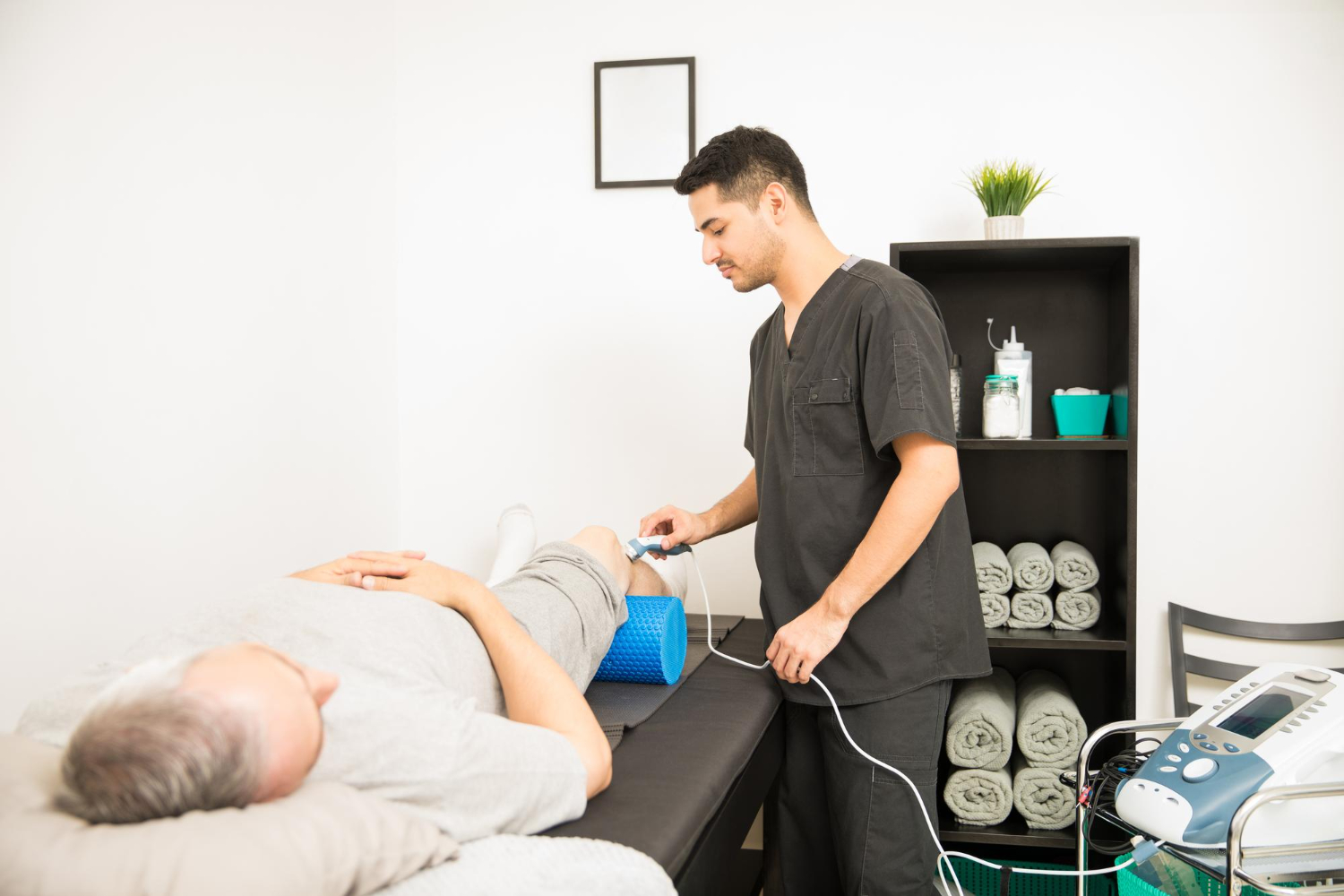
Ultrasound Therapy in Physiotherapy – How It Works, Benefits & Pain Relief in Dubai

Ultrasound therapy is a widely used physiotherapy treatment that helps reduce pain, improve tissue healing, and restore movement. In Dubai, where many people experience muscle tightness, joint pain, sports injuries, and postural problems due to long working hours and an active lifestyle, ultrasound therapy plays an important role in modern rehabilitation.

This treatment is non-invasive, painless, and often used alongside manual therapy and exercise programs to achieve faster and longer-lasting recovery.

What Is Ultrasound Therapy in Physiotherapy?

Ultrasound therapy uses high-frequency sound waves to penetrate deep into muscles, tendons, ligaments, and soft tissues. These sound waves create gentle vibrations that promote healing at a cellular level.

Unlike diagnostic ultrasound, therapeutic ultrasound is specifically designed to treat pain, stiffness, and tissue damage by improving blood circulation and tissue flexibility.

How Ultrasound Therapy Works

Thermal Effect

The sound waves generate gentle heat deep within the tissues, which helps to:

  • Relax tight muscles
  • Increase blood circulation
  • Improve tissue elasticity
  • Reduce stiffness

Non-Thermal Effect

The sound wave vibrations stimulate cellular activity, which helps to:

  • Accelerate tissue repair
  • Reduce inflammation
  • Support healing of soft tissue injuries

These combined effects make ultrasound therapy effective for both acute and chronic conditions.

Conditions Treated with Ultrasound Therapy

  • Muscle strains and tears
  • Ligament sprains
  • Tendon injuries
  • Frozen shoulder
  • Knee pain and arthritis
  • Back and neck pain
  • Sports injuries
  • Post-surgical stiffness
  • Scar tissue tightness
  • Chronic soft tissue pain

Ultrasound therapy is especially useful when pain originates from deep tissues that are difficult to treat with surface-level therapies.

Benefits of Ultrasound Therapy

  • Deep pain relief
  • Reduced inflammation
  • Faster tissue healing
  • Improved joint mobility
  • Muscle relaxation
  • Safe and non-invasive treatment
  • Supports long-term recovery

Many patients notice improved movement and reduced discomfort after a few treatment sessions.

What Happens During an Ultrasound Therapy Session?

  • Assessment of the affected area
  • Application of a special conductive gel
  • Movement of the ultrasound head over the skin
  • Treatment duration of 5 to 10 minutes
  • Follow-up exercises or manual therapy if required

The treatment is comfortable, and most patients experience only mild warmth or gentle pressure.

Is Ultrasound Therapy Safe?

Yes, ultrasound therapy is safe when performed by trained physiotherapists. The treatment intensity and duration are carefully adjusted based on the condition being treated.

Ultrasound Therapy May Not Be Recommended Over

  • Areas with active infection
  • Certain medical implants
  • Specific regions during pregnancy

Your physiotherapist will always assess suitability before starting treatment.

Ultrasound Therapy vs Other Pain Relief Treatments

Ultrasound Therapy

  • Targets tissue healing
  • No medication-related side effects
  • Improves mobility and flexibility
  • Supports long-term recovery

Medication

  • Masks pain symptoms
  • Possible side effects
  • Temporary relief
  • Does not address tissue healing

For best outcomes, ultrasound therapy is usually combined with strengthening and mobility exercises.

Ultrasound Therapy for Sports Injuries

  • Reduces muscle soreness
  • Speeds up recovery
  • Improves flexibility
  • Treats tendon and ligament injuries

This allows athletes to return to training safely without overloading injured tissues.

Ultrasound Therapy for Office Workers

Office workers often develop neck pain, shoulder tightness, and lower back stiffness due to prolonged sitting and poor posture.

  • Relaxes tight muscles
  • Improves blood circulation
  • Reduces work-related discomfort
  • Supports posture correction programs

How Many Ultrasound Therapy Sessions Are Needed?

  • Acute injuries: 3 to 5 sessions
  • Chronic pain: 6 to 10 sessions
  • Post-surgical recovery: As advised by the physiotherapist

Consistency and combining treatment with exercises are essential for long-term improvement.

Home Physiotherapy and Ultrasound Therapy

Ultrasound therapy can be included in home physiotherapy programs for patients recovering from surgery or those with mobility limitations. This ensures comfort, safety, and continuity of care.

When Should You Consider Ultrasound Therapy?

  • Persistent muscle or joint pain
  • Stiffness limiting movement
  • Delayed healing after injury
  • Tendon or ligament discomfort
  • Pain affecting daily activities

Early physiotherapy intervention can prevent long-term complications.

Final Thoughts

Ultrasound therapy is a safe and effective physiotherapy treatment that promotes deep tissue healing, reduces pain, and restores mobility.

When combined with manual therapy and exercise-based rehabilitation, it delivers excellent results for both acute and chronic conditions. If pain or stiffness is affecting your quality of life, ultrasound therapy can be a valuable part of your physiotherapy recovery plan.

Electro Therapy (IFT) in Physiotherapy – Benefits, Uses & Pain Relief Treatment in Dubai

Electro therapy is one of the most commonly used and effective physiotherapy treatments for pain management and muscle recovery. In Dubai, where people often experience back pain, neck stiffness, joint problems, sports injuries, and work-related muscle strain, electro therapy has become an essential part of modern physiotherapy care.

Among various electrotherapy techniques, Interferential Therapy (IFT) is widely used because it provides deep pain relief without discomfort and supports faster healing.

What Is Electro Therapy in Physiotherapy?

Electro therapy is a physiotherapy treatment that uses controlled electrical stimulation to activate nerves and muscles. These electrical impulses help reduce pain, decrease inflammation, relax muscles, and improve blood circulation.

Electro therapy is always administered by trained physiotherapists and is customized based on the patient’s condition, pain level, and recovery goals.

What Is IFT (Interferential Therapy)?

Interferential Therapy (IFT) is an advanced form of electro therapy where two medium-frequency electrical currents intersect within the affected area. This interaction produces a low-frequency effect deep inside the tissues, where pain commonly originates.

IFT is particularly effective because it reaches deeper tissues comfortably without causing skin irritation.

How Electro Therapy (IFT) Works

  • Blocks pain signals from reaching the brain
  • Stimulates the release of natural pain-relieving chemicals (endorphins)
  • Improves blood circulation
  • Reduces muscle spasms
  • Accelerates tissue healing

This makes IFT effective for both acute pain and chronic musculoskeletal conditions.

Conditions Treated with Electro Therapy (IFT)

  • Back pain and lower back stiffness
  • Neck pain and cervical spine issues
  • Shoulder pain and frozen shoulder
  • Knee pain and arthritis
  • Sciatica and nerve-related pain
  • Muscle spasms and tightness
  • Sports injuries
  • Post-surgical pain
  • Joint inflammation
  • Work-related muscle strain

Electro therapy is often combined with manual therapy and exercise therapy for optimal results.

Benefits of Electro Therapy in Physiotherapy

  • Fast and effective pain relief
  • Non-invasive treatment approach
  • Reduction in inflammation
  • Muscle relaxation
  • Improved mobility and flexibility
  • Safe for repeated use
  • Supports faster recovery

Many patients experience noticeable relief even after the first few sessions.

What to Expect During an Electro Therapy Session

  • Assessment of pain level and movement
  • Placement of electrodes on the affected area
  • Adjustment of intensity for patient comfort
  • Treatment duration of 10 to 20 minutes
  • Additional manual therapy or exercises if required

The treatment is painless and usually feels like a mild tingling sensation.

Is Electro Therapy Safe?

Yes, electro therapy is safe when administered by qualified physiotherapists. Treatment intensity and duration are carefully controlled based on individual needs.

Electro Therapy May Not Be Recommended For

  • Individuals with pacemakers
  • Certain heart conditions
  • Pregnancy (specific treatment areas)

A thorough screening is always performed before starting treatment.

Electro Therapy vs Pain Medication

Electro Therapy

  • Targets the root cause of pain
  • No dependency risk
  • Supports healing and recovery
  • No side effects when applied correctly

Pain Medication

  • Temporarily masks pain
  • Risk of dependency with long-term use
  • Does not address underlying cause
  • May cause side effects

Electro therapy is often preferred for long-term pain management.

How Many Electro Therapy Sessions Are Needed?

  • Acute pain: 3 to 5 sessions
  • Chronic pain: 6 to 10 sessions
  • Post-surgical recovery: As advised by the physiotherapist

Consistency plays a crucial role in recovery.

Electro Therapy for Office Workers in Dubai

Office workers commonly experience neck pain, shoulder stiffness, and lower back discomfort due to prolonged sitting and poor posture.

  • Reduces muscle tension
  • Improves blood circulation
  • Relieves work-related pain
  • Supports posture correction programs

Electro therapy is usually combined with ergonomic advice and strengthening exercises.

Electro Therapy in Sports Injury Rehabilitation

  • Reduces post-training pain
  • Aids recovery from muscle strains
  • Controls inflammation
  • Speeds up healing

This allows athletes to return to activity safely and efficiently.

Home Physiotherapy with Electro Therapy

Electro therapy can be included in home physiotherapy sessions for patients with mobility limitations or post-surgical recovery needs, ensuring continuity of care without travel.

When Should You Consider Electro Therapy?

  • Persistent or recurring pain
  • Muscle spasms or tightness
  • Joint stiffness
  • Nerve-related pain
  • Pain affecting daily activities
  • Restricted movement due to discomfort

Early physiotherapy intervention leads to better recovery outcomes.

Final Thoughts

Electro therapy, particularly Interferential Therapy (IFT), is a powerful and effective physiotherapy treatment for pain relief and muscle recovery.

When combined with manual therapy and targeted exercises, electro therapy helps patients regain comfort, mobility, and confidence in daily movement. If pain or stiffness is limiting your lifestyle, electro therapy can be a safe and effective part of your physiotherapy recovery journey.

Best Vertigo & Dizziness Physiotherapy in Dubai – Causes, Symptoms & Effective Treatment

Vertigo and dizziness are among the most uncomfortable and anxiety-causing conditions people experience. A sudden spinning sensation, loss of balance, nausea, or feeling light-headed can interfere with daily life, work, driving, and even simple movements like getting out of bed.

In a fast-paced city like Dubai, where long working hours, extended screen exposure, stress, and sedentary lifestyles are common, cases of vertigo and dizziness are increasing steadily.

Physiotherapy plays a critical role in identifying the cause of vertigo and providing safe, drug-free, long-term relief through targeted rehabilitation techniques.

What Is Vertigo and How Is It Different from Dizziness?

Although the terms are often used interchangeably, vertigo and dizziness are not the same. Understanding the difference is essential because treatment depends on the underlying cause.

  • Vertigo is a specific type of dizziness where a spinning or moving sensation is felt even when the body is still
  • Dizziness is a broader term that includes light-headedness, imbalance, or a feeling of faintness

Common Symptoms of Vertigo and Dizziness

  • Spinning or whirling sensation
  • Loss of balance or unsteadiness
  • Nausea or vomiting
  • Headaches
  • Blurred vision
  • Difficulty focusing
  • Sensitivity to movement
  • Neck stiffness
  • Feeling pulled to one side while walking

Symptoms may be mild and occasional or severe enough to significantly disrupt daily activities.

Common Causes of Vertigo

Vertigo is commonly linked to issues in the inner ear, vestibular system, or cervical spine.

Benign Paroxysmal Positional Vertigo (BPPV)

  • Most common cause of vertigo
  • Occurs due to displacement of calcium crystals in the inner ear
  • Triggers spinning sensations during head movements

Vestibular Neuritis or Labyrinthitis

  • Inflammation of the vestibular nerve or inner ear
  • Often follows viral infections

Cervicogenic Vertigo

  • Caused by neck stiffness or cervical spine dysfunction
  • Common in people with poor posture or prolonged desk work

Postural and Desk-Related Issues

  • Prolonged sitting and poor ergonomics
  • Forward head posture affecting balance systems

Stress and Anxiety

  • Can worsen dizziness symptoms
  • May slow recovery if not addressed

Why Physiotherapy Is Essential for Vertigo Treatment

Many individuals rely solely on medication, which may temporarily suppress symptoms but often does not correct the root cause.

Physiotherapy for vertigo focuses on restoring balance function, retraining the brain, correcting posture, and improving movement patterns. It is evidence-based and widely recommended for long-term recovery.

How Physiotherapy Treats Vertigo and Dizziness

Vestibular Assessment

  • Evaluation of balance, eye movements, head motion, posture, and neck mobility
  • Helps identify the root cause of symptoms

Canalith Repositioning Maneuvers

  • Techniques such as the Epley maneuver
  • Used specifically for BPPV to reposition inner ear crystals

Vestibular Rehabilitation Therapy (VRT)

  • Structured exercises to retrain the brain’s balance system
  • Improves coordination and motion tolerance

Balance and Gait Training

  • Enhances stability during walking
  • Builds confidence in daily activities

Cervical Spine Treatment

  • Manual therapy and exercises for neck stiffness
  • Addresses cervicogenic dizziness

Postural Correction

  • Improves desk posture and movement habits
  • Reduces strain on balance systems

Conditions Treated with Vertigo Physiotherapy

  • BPPV
  • Chronic dizziness
  • Balance disorders
  • Cervicogenic vertigo
  • Post-viral vertigo
  • Motion sensitivity
  • Neck-related headaches with dizziness
  • Age-related balance problems

How Long Does Vertigo Treatment Take?

  • BPPV may improve within 1–3 physiotherapy sessions
  • Vestibular rehabilitation may require several weeks
  • Chronic dizziness needs consistent therapy and home exercises

Early treatment usually results in faster and more complete recovery.

Home Physiotherapy for Vertigo in Dubai

Physiotherapy sessions can be safely conducted at home for patients who prefer not to travel.

  • Elderly individuals
  • Patients with severe dizziness
  • Post-viral weakness
  • Busy professionals

Therapists ensure safety while guiding patients through progressive exercises.

Can Vertigo Come Back?

Vertigo can recur if the underlying cause is not fully addressed.

  • Improved vestibular adaptation
  • Stronger balance systems
  • Corrected posture
  • Patient education and self-management

Consistency with prescribed exercises significantly reduces recurrence.

When Should You See a Physiotherapist for Dizziness?

  • Recurrent spinning sensations
  • Dizziness lasting more than a few days
  • Balance problems while walking
  • Dizziness triggered by head movements
  • Neck pain associated with dizziness
  • Fear of falling

Early intervention prevents symptom progression and improves quality of life.

Physiotherapy vs Medication for Vertigo

Physiotherapy

  • Treats the root cause
  • Provides long-term improvement
  • Improves balance and movement
  • No dependency

Medication

  • Temporarily suppresses symptoms
  • Short-term relief
  • May cause drowsiness
  • Not ideal for long-term use

Living Confidently Without Dizziness

Vertigo and dizziness can be overwhelming, but with proper assessment and guided physiotherapy, most patients experience significant improvement.

Physiotherapy not only helps reduce symptoms but also restores confidence, balance, and freedom of movement, allowing individuals to live without fear of sudden dizziness episodes.

When Should You See a Physiotherapist? Early Signs You Shouldn’t Ignore

When Should You See a Physiotherapist? Early Signs You Shouldn’t Ignore

Many people wait until pain becomes severe before seeking treatment—but early physiotherapy intervention can prevent minor issues from turning into long-term problems. Physiotherapists don’t just treat injuries; they help identify movement issues, correct imbalances, and restore function before serious damage occurs.

Here are the early warning signs that indicate it’s time to see a physiotherapist.

Why Early Physiotherapy Matters

Ignoring early symptoms can lead to chronic pain, reduced mobility, muscle weakness, joint damage, and longer recovery time.

Seeing a physiotherapist early helps you recover faster, avoid medication, and prevent surgery in many cases.

SEO Keywords: when to see a physiotherapist, physiotherapy consultation

Early Signs You Shouldn’t Ignore

1. Pain That Lasts More Than 7–10 Days

Occasional aches are normal, but pain that doesn’t improve within a week—especially back, neck, knee, or shoulder pain—needs professional evaluation.

2. Recurrent or Returning Pain

If pain keeps coming back even after rest or medication, it usually indicates an underlying movement or muscle imbalance that physiotherapy can correct.

3. Joint Stiffness or Reduced Range of Motion

Difficulty bending, reaching, turning your neck, or climbing stairs may signal joint or soft tissue problems that worsen if untreated.

4. Pain While Sitting, Standing, or Working

Pain triggered by daily activities—especially long sitting, computer work, or standing—often results from poor posture or muscle weakness.

5. Numbness, Tingling, or Radiating Pain

Symptoms like tingling in arms or legs, shooting pain, or numbness may indicate nerve involvement and should be assessed early.

6. Difficulty Walking or Maintaining Balance

Frequent imbalance, limping, or fear of falling can be early signs of muscle weakness, joint issues, or neurological conditions.

7. Pain After an Injury or Accident

Even minor injuries from falls, sports, or road accidents can cause internal damage. Early physiotherapy prevents stiffness and improper healing.

8. Persistent Muscle Tightness or Spasms

Muscle tightness that doesn’t ease with rest or stretching may require manual therapy and corrective exercises.

9. Post-Surgery or Prolonged Bed Rest

If you’ve recently had surgery or been inactive due to illness, physiotherapy helps restore strength, mobility, and confidence in movement.

10. Reduced Performance in Sports or Daily Activities

If you’re unable to perform activities you once could—running, lifting, playing sports, or even household tasks—it’s time to seek help.

Conditions Commonly Treated by Physiotherapists

Physiotherapists commonly treat back and neck pain, knee, shoulder, and hip pain, sports injuries, disc problems and sciatica, post-surgical rehabilitation, arthritis and joint stiffness, and postural or work-related pain.

When Is the Best Time to See a Physiotherapist?

The best time to see a physiotherapist is at the first sign of persistent pain, after an injury or surgery, when movement feels restricted or uncomfortable, or if pain affects sleep, work, or daily life. Early action leads to better outcomes and faster recovery.

Conclusion

Pain and movement problems are your body’s way of signaling that something isn’t right. Don’t ignore early signs like persistent pain, stiffness, weakness, or poor balance.

Seeing a physiotherapist early can help you relieve pain naturally, restore movement, prevent long-term complications, and return to an active, pain-free life.