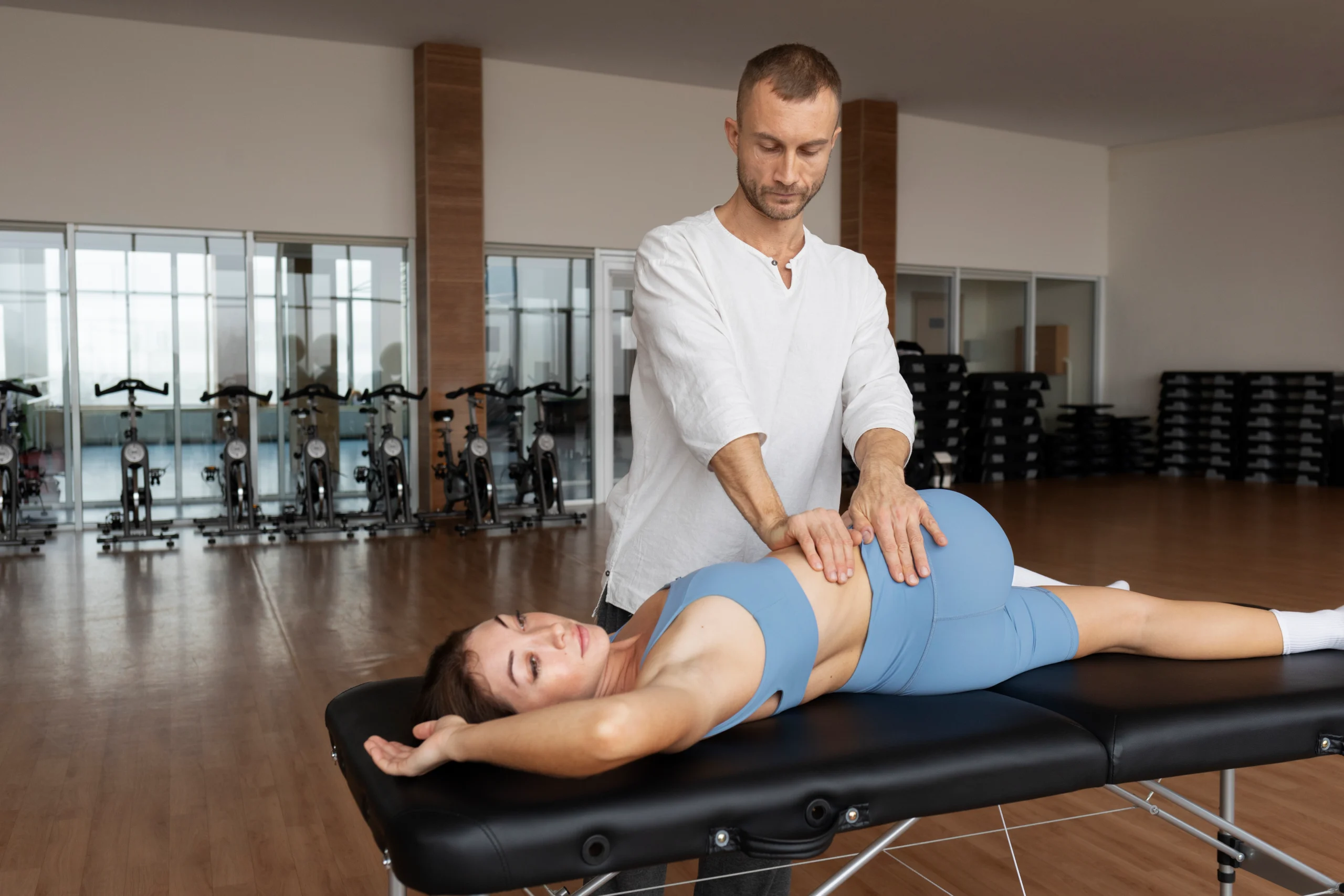
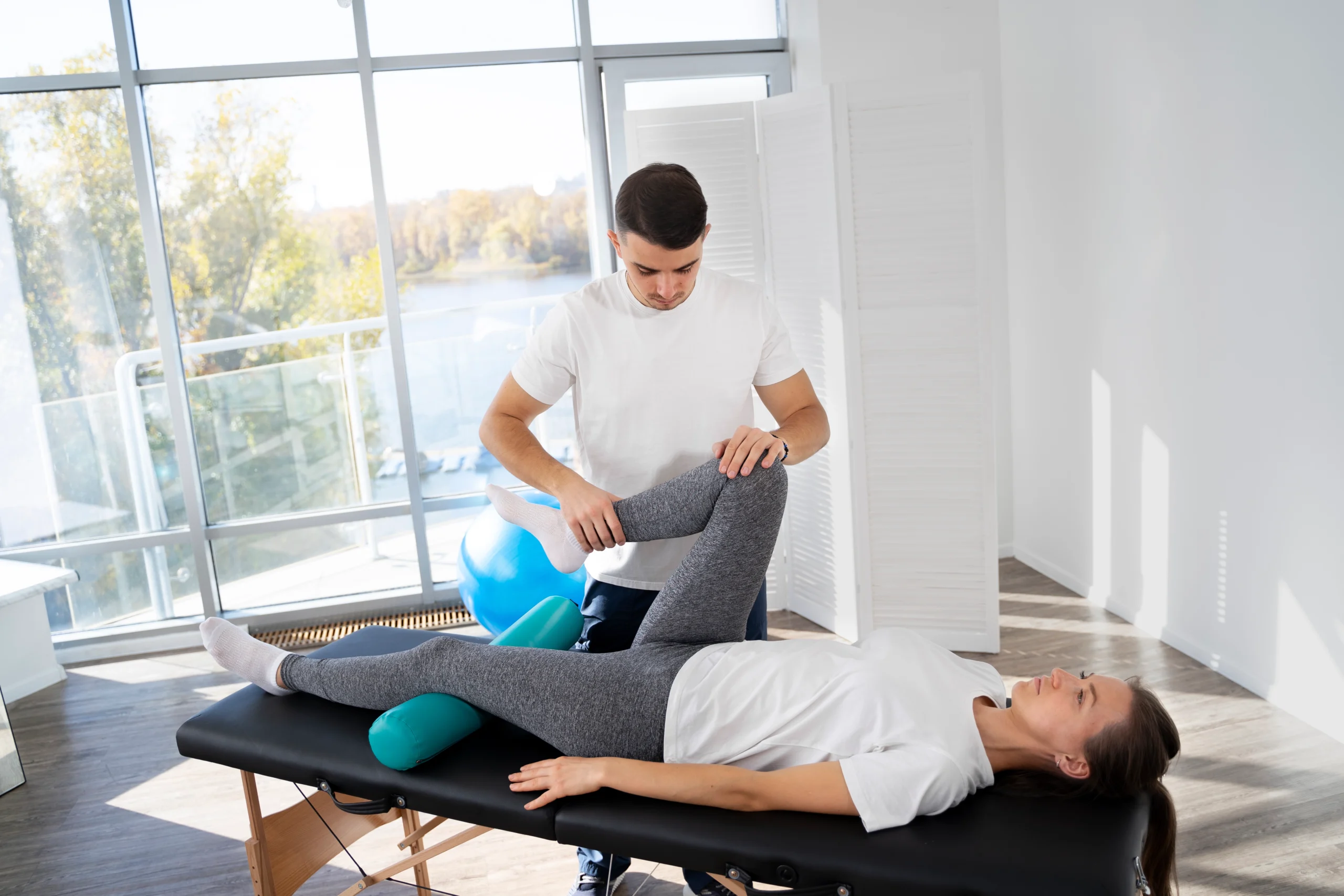
Benefits of Physiotherapy After Surgery: Faster Recovery and Better Mobility

Benefits of Physiotherapy After Surgery: Faster Recovery and Better Mobility

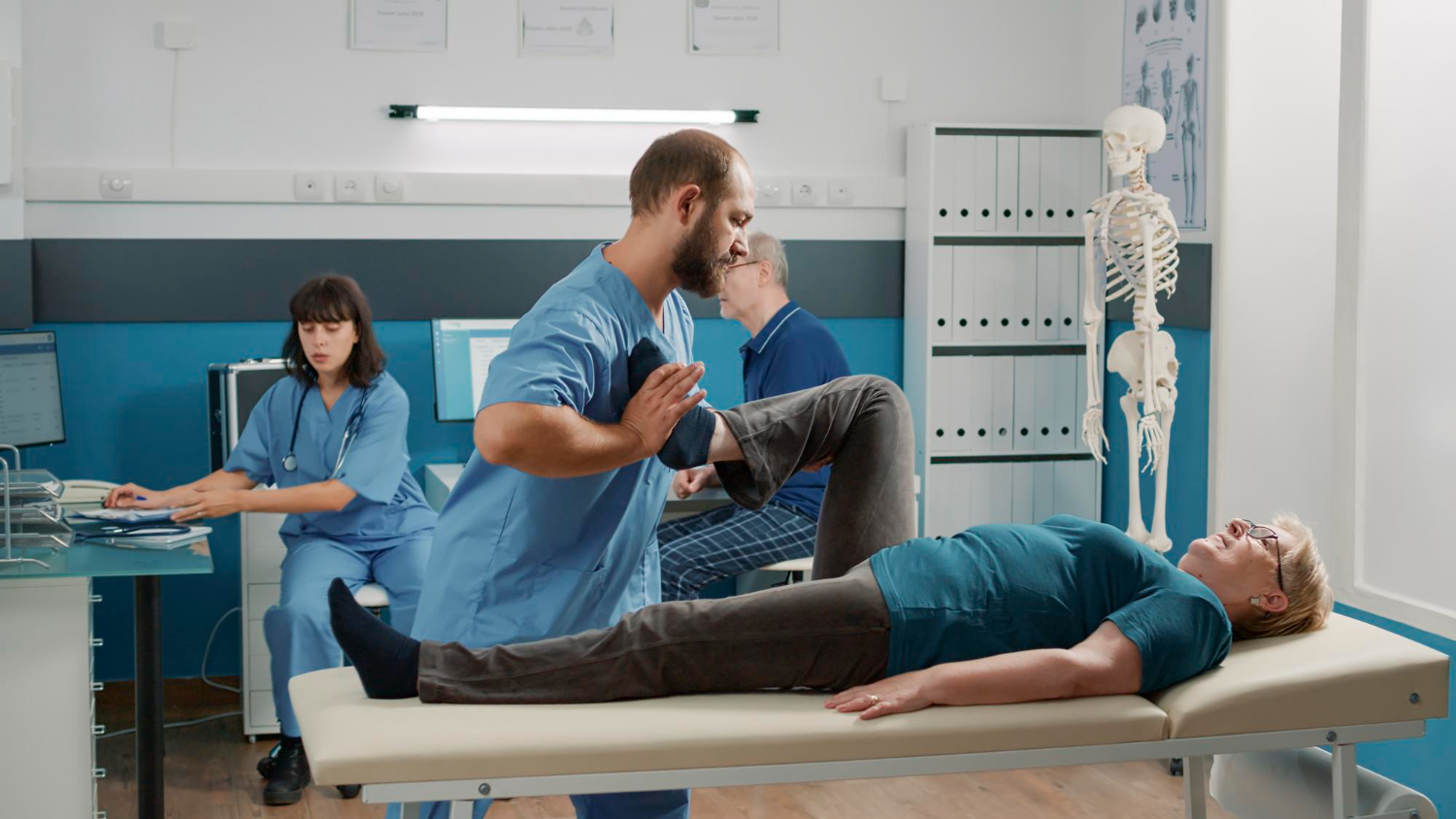
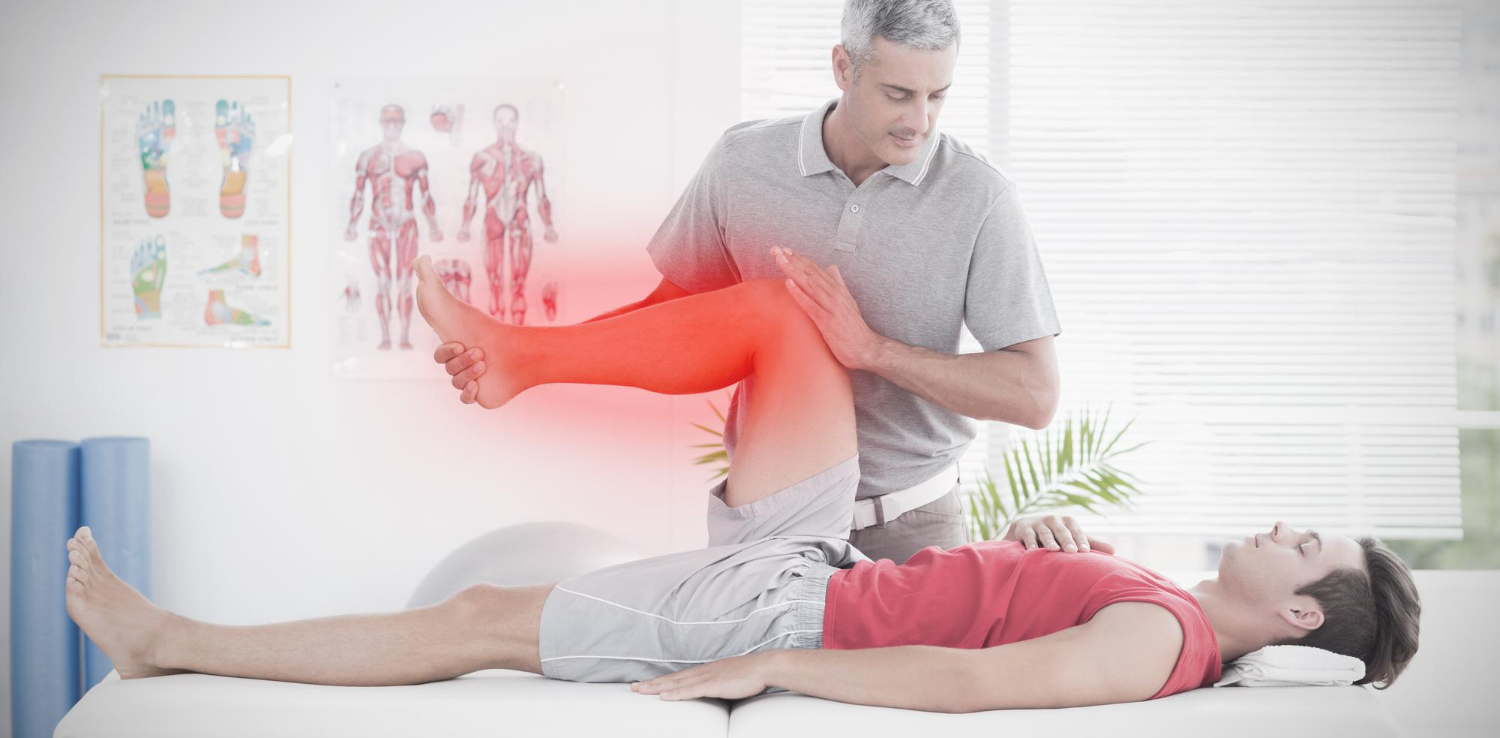
Surgery is often just the first step toward recovery. What truly determines how quickly and safely you return to normal life is post-surgical rehabilitation—and physiotherapy plays a critical role in that process. From reducing pain and stiffness to restoring strength and movement, physiotherapy helps patients recover faster, safer, and more effectively after surgery.

This blog explains the key benefits of physiotherapy after surgery and how it improves mobility, function, and long-term outcomes.

Why Physiotherapy Is Important After Surgery

After surgery, the body experiences pain and inflammation, muscle weakness due to inactivity, joint stiffness and reduced mobility, and an increased risk of complications like scar tissue formation and poor circulation.

Physiotherapy addresses these issues early, ensuring proper healing and functional recovery rather than just wound healing.

SEO Keywords: physiotherapy after surgery, post operative physiotherapy benefits

Key Benefits of Physiotherapy After Surgery

1. Faster and Safer Recovery

Physiotherapy promotes blood circulation, tissue healing, and controlled movement. This helps patients recover faster while reducing the risk of complications caused by prolonged bed rest.

2. Reduces Pain and Swelling Naturally

Through gentle exercises, manual therapy, and movement-based techniques, physiotherapy helps reduce pain and swelling—often minimizing the need for painkillers.

3. Restores Joint Mobility and Flexibility

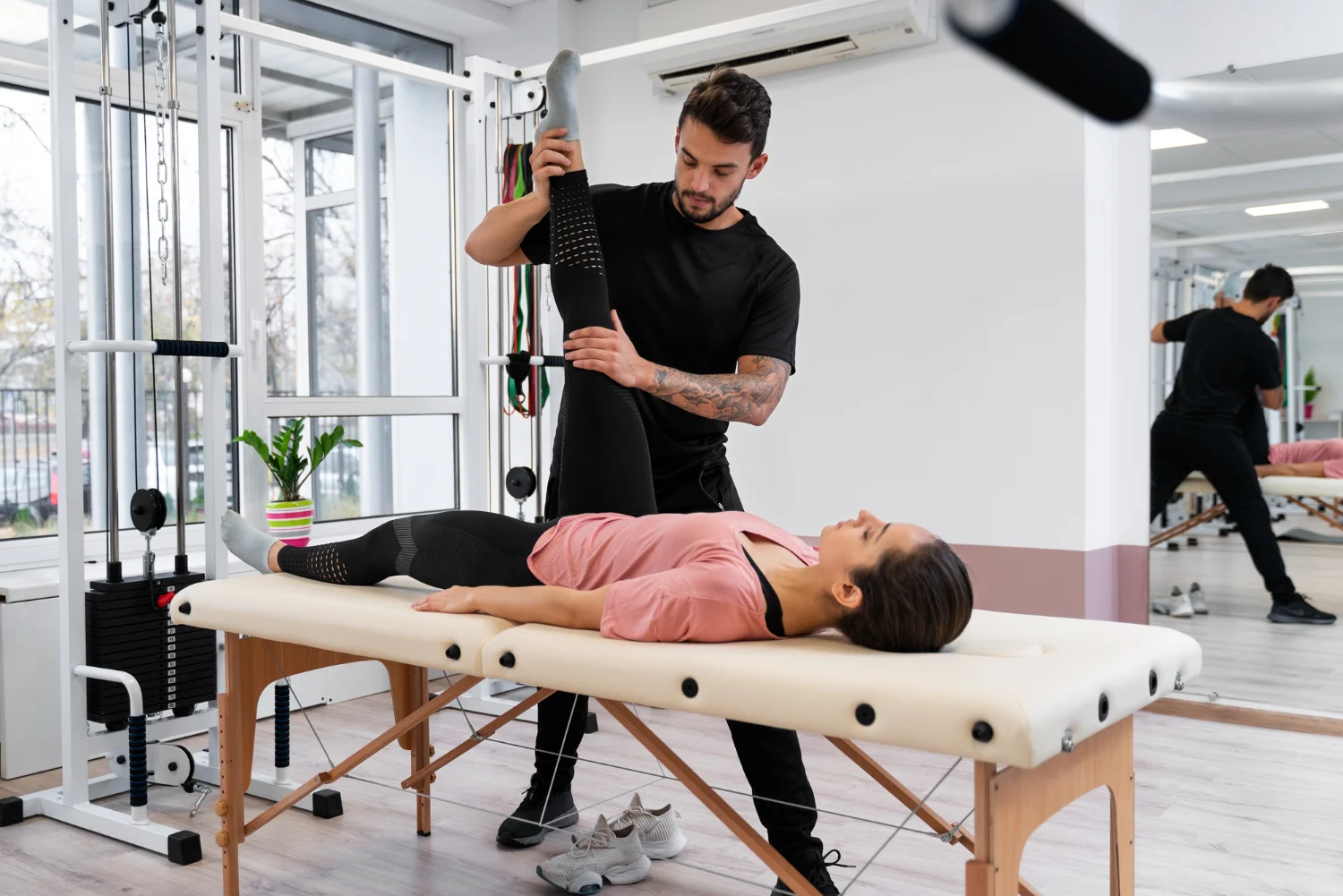
After surgery, joints often become stiff due to immobility. Physiotherapy gradually restores range of motion, helping joints move smoothly and comfortably again.

4. Rebuilds Muscle Strength

Surgery and rest can weaken muscles quickly. Targeted strengthening exercises help rebuild muscle strength, providing better support to joints and improving overall stability.

5. Improves Balance and Coordination

Physiotherapy includes balance and coordination training, especially important after orthopedic or neurological surgeries, to prevent falls and improve confidence in movement.

6. Prevents Scar Tissue Tightness

Without movement, scar tissue can become tight and restrict mobility. Physiotherapy keeps tissues flexible and prevents long-term stiffness around the surgical area.

7. Reduces Risk of Post-Surgical Complications

Early physiotherapy reduces the risk of blood clots, joint stiffness, muscle shortening, poor posture, and compensatory pain.

8. Helps You Return to Daily Activities Faster

Physiotherapists focus on functional recovery—helping patients safely return to walking, sitting, climbing stairs, working, and daily routines as early as possible.

9. Customized Recovery Plan for Each Patient

Every surgery and patient is different. Physiotherapy programs are personalized based on the type of surgery, age and fitness level, pain tolerance, and recovery goals, ensuring safe and effective rehabilitation.

10. Long-Term Mobility and Quality of Life

Physiotherapy doesn’t just help short-term recovery—it improves long-term joint health, posture, and movement patterns, reducing the risk of future problems.

Surgeries That Benefit Most from Physiotherapy

Physiotherapy is especially beneficial after knee replacement surgery, hip replacement surgery, spine and disc surgery, shoulder surgery, ligament and sports injury surgery, and abdominal and chest surgery.

When Should Physiotherapy Start After Surgery?

In many cases, physiotherapy begins within 24–48 hours after surgery, depending on the procedure and the doctor’s advice. Early intervention leads to better outcomes and quicker functional recovery.

Conclusion

Physiotherapy after surgery is essential for faster recovery, better mobility, and long-term success. It helps reduce pain, restore movement, rebuild strength, and prevent complications—allowing patients to regain independence and confidence sooner.

If you’ve undergone surgery, physiotherapy is not optional—it’s a vital part of complete recovery.

Common Causes of Back Pain and How Physiotherapy Can Treat Them Naturally

Common Causes of Back Pain and How Physiotherapy Can Treat Them Naturally

Back pain is one of the most common health problems affecting people of all ages. From desk workers and drivers to athletes and elderly individuals, back pain can limit daily activities and reduce quality of life. While painkillers offer temporary relief, they do not treat the root cause of the problem.

Physiotherapy provides a natural, drug-free solution that targets the underlying causes of back pain and supports long-term recovery. This blog explains the common causes of back pain and how physiotherapy helps treat them naturally.

Common Causes of Back Pain

1. Poor Posture

Sitting for long hours with improper posture puts excessive stress on the spine and surrounding muscles. Slouching, forward head posture, and improper workstation setup are major contributors to chronic back pain.

2. Muscle Strain and Overuse

Sudden movements, heavy lifting, or repetitive activities can strain back muscles and ligaments. Muscle overuse often leads to inflammation, stiffness, and persistent pain.

3. Disc Problems (Bulging or Herniated Disc)

Spinal discs act as cushions between vertebrae. When a disc bulges or herniates, it can press on nearby nerves, causing lower back pain, leg pain, or sciatica.

4. Sedentary Lifestyle and Weak Core Muscles

Lack of physical activity weakens core and back muscles. Weak muscles fail to support the spine properly, increasing the risk of back pain and injury.

5. Poor Lifting Techniques

Incorrect lifting posture—especially bending from the waist instead of the knees—can put sudden strain on the lower back, leading to acute or chronic pain.

6. Arthritis and Age-Related Degeneration

As we age, joints and spinal structures wear down. Conditions like osteoarthritis can cause stiffness, reduced mobility, and chronic back pain.

7. Stress and Muscle Tension

Mental stress often causes muscle tightness, especially in the neck and lower back. Prolonged tension can trigger or worsen back pain.

How Physiotherapy Treats Back Pain Naturally

1. Identifies the Root Cause

Physiotherapists assess posture, movement patterns, muscle strength, and flexibility to identify the exact cause of back pain—ensuring targeted treatment rather than temporary relief.

2. Pain Relief Without Medication

Physiotherapy uses natural techniques such as manual therapy, stretching, and movement correction to reduce pain and inflammation without reliance on painkillers.

3. Improves Mobility and Flexibility

Gentle stretching and mobility exercises reduce stiffness and restore normal spinal movement, helping patients move freely without pain.

4. Strengthens Core and Back Muscles

Targeted strengthening exercises improve core stability and spinal support, reducing stress on the back and preventing recurring pain.

5. Corrects Posture and Body Mechanics

Physiotherapists train patients in proper sitting, standing, and lifting techniques, reducing strain on the spine during daily activities.

6. Treats Disc-Related Pain Safely

For disc bulge or herniation, physiotherapy reduces nerve pressure, improves spinal alignment, and promotes healing—often avoiding the need for surgery.

7. Reduces Stress-Related Muscle Tension

Relaxation techniques, breathing exercises, and soft tissue therapy help relieve stress-induced muscle tightness that contributes to back pain.

8. Prevents Recurrence of Back Pain

Physiotherapy not only treats pain but also educates patients on exercise routines, ergonomic habits, and lifestyle changes to reduce the chances of future back pain episodes.

Who Should Consider Physiotherapy for Back Pain?

Physiotherapy is ideal if you have back pain lasting more than one to two weeks, experience stiffness or reduced mobility, sit for long hours at work, have disc-related or posture-related pain, or want a natural, long-term solution.

Conclusion

Back pain is often caused by posture issues, weak muscles, disc problems, or lifestyle habits. Physiotherapy treats back pain naturally by addressing the root cause, restoring movement, and strengthening the body—without medication or surgery.

With the right physiotherapy program, you can achieve long-lasting pain relief, improved mobility, and a healthier spine.

What Is Physiotherapy and How Does It Help in Pain Management and Recovery?

What Is Physiotherapy and How Does It Help in Pain Management and Recovery?

Physiotherapy is a proven healthcare approach that focuses on restoring movement, reducing pain, and improving physical function. Whether you’re recovering from an injury, surgery, or dealing with chronic pain, physiotherapy plays a vital role in long-term recovery and overall well-being.

This blog explains what physiotherapy is, how it works, and how it helps in pain management and faster recovery.

What Is Physiotherapy?

Physiotherapy, also known as physical therapy, is a medical treatment that uses movement, manual therapy, exercise, and physical techniques to treat pain, injury, and mobility issues.

Physiotherapists are trained healthcare professionals who assess your condition and design personalized treatment plans to reduce pain, improve movement and flexibility, restore strength and balance, and prevent future injuries.

SEO Keywords: physiotherapy meaning, what is physiotherapy treatment

Conditions Treated by Physiotherapy

Physiotherapy is effective for a wide range of conditions, including back pain and neck pain, joint pain in the knee, shoulder, and hip, sports injuries, post-surgical rehabilitation, arthritis and joint stiffness, nerve pain and sciatica, as well as stroke and neurological conditions.

How Physiotherapy Helps in Pain Management

1. Reduces Pain Without Medication

Physiotherapy treats the root cause of pain, not just the symptoms. Techniques like manual therapy, stretching, and targeted exercises help relieve pain naturally, reducing dependency on painkillers.

2. Improves Joint Mobility and Flexibility

Stiff joints and muscles are common causes of pain. Physiotherapy improves range of motion, allowing joints to move freely and comfortably.

3. Strengthens Weak Muscles

Weak or imbalanced muscles put extra pressure on joints and tissues. Physiotherapy strengthens supporting muscles, reducing stress and preventing recurring pain.

4. Corrects Posture and Movement Patterns

Poor posture and incorrect movement habits can cause chronic pain. Physiotherapists identify faulty patterns and correct them through posture training and functional exercises.

5. Reduces Inflammation and Muscle Tension

Physiotherapy techniques such as soft tissue mobilization, stretching, and therapeutic modalities help reduce inflammation, muscle tightness, and spasms.

How Physiotherapy Supports Recovery

6. Faster Injury Healing

Physiotherapy improves blood circulation and tissue healing, helping injuries recover faster and more effectively.

7. Safe Post-Surgery Rehabilitation

After surgery, physiotherapy restores strength and movement safely, prevents stiffness, and speeds up recovery while minimizing complications.

8. Improves Balance and Coordination

Rehabilitation exercises enhance balance and coordination, especially important for elderly patients and neurological recovery.

9. Prevents Re-Injury

By improving strength, flexibility, and movement control, physiotherapy significantly reduces the risk of future injuries.

10. Boosts Overall Quality of Life

With reduced pain and improved mobility, patients can return to daily activities, work, and sports with confidence.

Common Physiotherapy Techniques Used

Physiotherapy commonly includes manual therapy, therapeutic exercises, stretching and mobility drills, electrotherapy, heat and cold therapy, postural correction, and sports rehabilitation programs.

Who Should Consider Physiotherapy?

You should consider physiotherapy if you have persistent pain lasting more than a few weeks, are recovering from surgery or injury, experience stiffness or reduced mobility, want to improve physical performance, or prefer non-invasive, drug-free treatment.

Conclusion

Physiotherapy is a safe, effective, and holistic approach to pain management and recovery. By addressing the underlying causes of pain and restoring natural movement, it helps patients recover faster, prevent future injuries, and lead a healthier, more active life.

Whether you’re dealing with chronic pain or recovering from an injury, physiotherapy empowers your body to heal naturally.

Manual Therapy for Pain Relief in Dubai

Vertigo and Chronic Dizziness Treatment in Dubai

Vertigo and chronic dizziness are among the most common reasons people visit physiotherapy clinics in Dubai. The fast-paced lifestyle, long working hours, neck strain from screens, dehydration, and stress often lead to balance problems. Many residents search daily for “vertigo physiotherapy in Dubai,” “dizziness treatment near me,” and “BPPV treatment Dubai” because the symptoms can be sudden, scary, and disruptive.

At Movement On Physio, we specialize in evidence-based vestibular physiotherapy that helps patients overcome dizziness, regain balance, and return to daily life confidently.

What Is Vertigo?

Vertigo is a sensation where:

  • You feel like the room is spinning
  • You feel off-balance
  • You may lose stability while standing or walking

It is not a disease; it is a symptom indicating an issue in either:

  • The inner ear (vestibular system)
  • The brain
  • The neck (cervicogenic dizziness)

Common Symptoms of Vertigo and Dizziness

  • Spinning sensation
  • Light-headedness
  • Loss of balance
  • Unsteady walking
  • Blurred vision
  • Nausea or vomiting
  • Heavy head
  • Ear pressure or ringing

If these symptoms persist for more than 48 hours, it is important to seek treatment.

Common Causes of Vertigo in Dubai

1. BPPV (Benign Paroxysmal Positional Vertigo)

The most common cause worldwide where small crystals inside the inner ear become displaced, leading to sudden spinning when turning your head.

2. Vestibular Neuritis / Labyrinthitis

Inner ear infections that affect balance.

3. Cervicogenic Dizziness (Neck-Related)

Neck stiffness from long laptop or mobile use, very common among office workers in Dubai.

4. Migraine-Associated Vertigo

People with migraine often develop dizziness even without headache.

5. Motion Sickness or Travel Fatigue

Common in individuals who frequently travel or drive long distances.

6. Stress, Anxiety, and Lack of Sleep

These can intensify dizziness even without ear issues.

Why Physiotherapy Is an Effective Treatment for Vertigo and Dizziness

Physiotherapy offers non-medication-based, fast, and long-lasting relief using scientifically proven techniques. Physiotherapy helps by:

  • Fixing inner ear crystal displacement (BPPV)
  • Improving balance system coordination
  • Reducing dizziness triggered by head movement
  • Strengthening eye–head coordination
  • Relaxing neck muscles causing imbalance
  • Restoring natural body movement patterns

Most patients feel improvement within 1–3 sessions for BPPV.

Effective Vertigo Treatments at Movement On Physio

1. Epley Maneuver (For BPPV)

One of the fastest and most effective treatments for positional vertigo. Success rate is 90–95 percent within 1–2 sessions. This technique repositions inner ear crystals back to their correct place, eliminating spinning.

2. Vestibular Rehabilitation Therapy (VRT)

A structured program that:

  • Trains the brain to adapt
  • Improves balance
  • Reduces dizziness during movement

Includes eye exercises, head movements, and balance training.

3. Cervical (Neck) Physiotherapy

For patients whose dizziness comes from neck stiffness, poor posture, muscle tightness, or previous injuries. Treatment includes:

  • Manual therapy
  • Trigger point release
  • Neck mobility restoration
  • Posture correction

4. Gaze Stability and Oculomotor Exercises

Essential for patients who feel dizzy when moving their eyes, working on laptops, reading, or using mobile phones. These exercises help stabilize vision during head movement.

5. Balance and Proprioception Training

Restores normal balance function using:

  • Balance boards
  • Foam surfaces
  • Targeted walking exercises
  • Safe environment training

6. Home-Based Vertigo Therapy in Dubai

For patients unable to travel due to severe dizziness, Movement On Physio offers home physiotherapy sessions. This is especially helpful for:

  • Elderly patients
  • Post-surgery patients
  • Severe BPPV

Why Movement On Physio Is a Trusted Clinic for Vertigo Treatment in Dubai

  • Experienced vestibular physiotherapists
  • One-on-one dedicated assessment
  • Same-day treatment for BPPV
  • Modern equipment for balance training
  • Personalized exercise plans
  • Home physiotherapy available
  • Comfortable environment in Al Barsha and surrounding areas

Our approach is root-cause-based, not just symptom relief.

How Many Sessions Are Required?

ConditionExpected Sessions
BPPV1–3 sessions
Vestibular neuritis3–6 weeks
Cervicogenic dizziness4–8 sessions
Migraine-related vertigoVaries

FAQs

1. Is vertigo treatable without medicine?

Yes. BPPV and many dizziness issues can be treated safely with physiotherapy.

2. How fast does the Epley Maneuver work?

Most patients feel 70 to 100 percent relief in the first session.

3. Is vertigo dangerous?

Not usually, but lack of balance increases fall risk. Always get checked if symptoms last longer than two days.

4. Can vertigo come back?

Sometimes, depending on the cause. Proper exercises and follow-up can reduce recurrence.

5. Do you offer home sessions for dizziness in Dubai?

Yes. Home physiotherapy is available across Al Barsha, Dubai Marina, JLT, Business Bay, Deira, Bur Dubai, and nearby areas.

Visit Movement On Physio for Vertigo Treatment in Dubai

If you are experiencing spinning, imbalance, or dizziness, our physiotherapists can help you recover safely and quickly.

Best Vertigo & Dizziness Physiotherapy in Dubai – Causes, Symptoms & Treatment Options

Vertigo and Chronic Dizziness Treatment in Dubai

Vertigo and chronic dizziness are among the most common reasons people visit physiotherapy clinics in Dubai. The fast-paced lifestyle, long working hours, neck strain from screens, dehydration, and stress often lead to balance problems. Many residents search daily for “vertigo physiotherapy in Dubai,” “dizziness treatment near me,” and “BPPV treatment Dubai” because the symptoms can be sudden, scary, and disruptive.

At Movement On Physio, we specialize in evidence-based vestibular physiotherapy that helps patients overcome dizziness, regain balance, and return to daily life confidently.

What Is Vertigo?

Vertigo is a sensation where:

  • You feel like the room is spinning
  • You feel off-balance
  • You may lose stability while standing or walking

It is not a disease; it is a symptom indicating an issue in either:

  • The inner ear (vestibular system)
  • The brain
  • The neck (cervicogenic dizziness)

Common Symptoms of Vertigo and Dizziness

  • Spinning sensation
  • Light-headedness
  • Loss of balance
  • Unsteady walking
  • Blurred vision
  • Nausea or vomiting
  • Heavy head
  • Ear pressure or ringing

If these symptoms persist for more than 48 hours, it is important to seek treatment.

Common Causes of Vertigo in Dubai

1. BPPV (Benign Paroxysmal Positional Vertigo)

The most common cause worldwide where small crystals inside the inner ear become displaced, leading to sudden spinning when turning your head.

2. Vestibular Neuritis / Labyrinthitis

Inner ear infections that affect balance.

3. Cervicogenic Dizziness (Neck-Related)

Neck stiffness from long laptop or mobile use, very common among office workers in Dubai.

4. Migraine-Associated Vertigo

People with migraine often develop dizziness even without headache.

5. Motion Sickness or Travel Fatigue

Common in individuals who frequently travel or drive long distances.

6. Stress, Anxiety, and Lack of Sleep

These can intensify dizziness even without ear issues.

Why Physiotherapy Is an Effective Treatment for Vertigo and Dizziness

Physiotherapy offers non-medication-based, fast, and long-lasting relief using scientifically proven techniques. Physiotherapy helps by:

  • Fixing inner ear crystal displacement (BPPV)
  • Improving balance system coordination
  • Reducing dizziness triggered by head movement
  • Strengthening eye–head coordination
  • Relaxing neck muscles causing imbalance
  • Restoring natural body movement patterns

Most patients feel improvement within 1–3 sessions for BPPV.

Effective Vertigo Treatments at Movement On Physio

1. Epley Maneuver (For BPPV)

One of the fastest and most effective treatments for positional vertigo. Success rate is 90–95 percent within 1–2 sessions. This technique repositions inner ear crystals back to their correct place, eliminating spinning.

2. Vestibular Rehabilitation Therapy (VRT)

A structured program that:

  • Trains the brain to adapt
  • Improves balance
  • Reduces dizziness during movement

Includes eye exercises, head movements, and balance training.

3. Cervical (Neck) Physiotherapy

For patients whose dizziness comes from neck stiffness, poor posture, muscle tightness, or previous injuries. Treatment includes:

  • Manual therapy
  • Trigger point release
  • Neck mobility restoration
  • Posture correction

4. Gaze Stability and Oculomotor Exercises

Essential for patients who feel dizzy when moving their eyes, working on laptops, reading, or using mobile phones. These exercises help stabilize vision during head movement.

5. Balance and Proprioception Training

Restores normal balance function using:

  • Balance boards
  • Foam surfaces
  • Targeted walking exercises
  • Safe environment training

6. Home-Based Vertigo Therapy in Dubai

For patients unable to travel due to severe dizziness, Movement On Physio offers home physiotherapy sessions. This is especially helpful for:

  • Elderly patients
  • Post-surgery patients
  • Severe BPPV

Why Movement On Physio Is a Trusted Clinic for Vertigo Treatment in Dubai

  • Experienced vestibular physiotherapists
  • One-on-one dedicated assessment
  • Same-day treatment for BPPV
  • Modern equipment for balance training
  • Personalized exercise plans
  • Home physiotherapy available
  • Comfortable environment in Al Barsha and surrounding areas

Our approach is root-cause-based, not just symptom relief.

How Many Sessions Are Required?

ConditionExpected Sessions
BPPV1–3 sessions
Vestibular neuritis3–6 weeks
Cervicogenic dizziness4–8 sessions
Migraine-related vertigoVaries

FAQs

1. Is vertigo treatable without medicine?

Yes. BPPV and many dizziness issues can be treated safely with physiotherapy.

2. How fast does the Epley Maneuver work?

Most patients feel 70 to 100 percent relief in the first session.

3. Is vertigo dangerous?

Not usually, but lack of balance increases fall risk. Always get checked if symptoms last longer than two days.

4. Can vertigo come back?

Sometimes, depending on the cause. Proper exercises and follow-up can reduce recurrence.

5. Do you offer home sessions for dizziness in Dubai?

Yes. Home physiotherapy is available across Al Barsha, Dubai Marina, JLT, Business Bay, Deira, Bur Dubai, and nearby areas.

Visit Movement On Physio for Vertigo Treatment in Dubai

If you are experiencing spinning, imbalance, or dizziness, our physiotherapists can help you recover safely and quickly.

Best Physiotherapy in Dubai: Complete Guide

Physiotherapy in Dubai has become one of the most searched healthcare services in the UAE. With thousands of residents dealing with back pain, neck stiffness, knee injuries, sports injuries, and post-surgery recovery, the need for professional physiotherapy has increased significantly. This guide covers treatments, benefits, costs, home sessions, and major areas such as Al Barsha, Deira, Bur Dubai, JLT, and Business Bay.

What Is Physiotherapy and Why It Matters?

Physiotherapy is a medical treatment that helps restore movement, reduce pain, improve strength, and support recovery.

Common Reasons People Need Physiotherapy in Dubai

  • Long working hours sitting at a desk
  • Sports and gym injuries
  • Back and neck pain
  • Stress-related stiffness
  • Post-surgery rehabilitation
  • Slip disc, sciatica, arthritis
  • Muscle tightness
  • Chronic pain

Why Physiotherapy Is in High Demand in Dubai

  • Fast and stressful lifestyle leading to back and neck pain
  • Regular gym workouts causing muscle injuries
  • Sports activities such as football, cricket, marathons
  • High medical awareness and preference for non-surgical treatments
  • Remote work causing neck and shoulder pain

Top Benefits of Physiotherapy

  • Pain relief without medication
  • Treats the root cause of the issue
  • Improves mobility and flexibility
  • Helps avoid surgery
  • Supports post-surgery recovery

Common Conditions Treated

  • Back pain
  • Neck pain
  • Slip disc
  • Sciatica
  • Frozen shoulder
  • Knee pain and arthritis
  • Tennis elbow
  • Sports injuries
  • Muscle strain
  • Post-fracture stiffness
  • Post-surgery rehabilitation
  • Balance problems
  • Joint pain

Physiotherapy Dubai Prices (Updated 2025)

Physiotherapy prices in Dubai depend on clinic location, therapist experience, and treatment type.

  • Clinic physiotherapy session
  • Advanced physiotherapy treatment
  • Manual therapy
  • Dry needling or cupping
  • Home physiotherapy session
  • Rehabilitation and sports therapy

Home Physiotherapy in Dubai

Home physiotherapy has become very popular due to convenience and personalized care.

Who Should Choose Home Physiotherapy?

  • People with severe back pain
  • Knee or shoulder pain
  • Post-surgery stiffness
  • Difficulty walking
  • Stroke recovery patients
  • Elderly patients

Treatment Methods Used in Dubai Clinics

  • Manual therapy
  • Dry needling
  • Cupping therapy
  • Electrotherapy
  • Exercise therapy
  • Sports rehabilitation
  • Post-surgery physiotherapy

Best Areas in Dubai for Physiotherapy Clinics

  • Al Barsha
  • Deira
  • Bur Dubai
  • Jumeirah Lake Towers (JLT)
  • Business Bay

How to Choose the Right Physiotherapist

  • Check DHA certification
  • Experience level of the therapist
  • Availability of advanced treatment technology
  • Personalized treatment plans
  • Convenient location

Why Physiotherapy Is Preferred Over Medicines

  • No side effects
  • Natural and long-term relief
  • Strengthens muscles
  • Improves posture
  • More affordable than surgery

Number of Physiotherapy Sessions Required

  • Mild pain: 2–4 sessions
  • Moderate pain: 6–10 sessions
  • Severe pain: 10–20+ sessions
  • Post-surgery: 1–3 months

Frequently Asked Questions

How much does physiotherapy cost in Dubai?

The cost ranges from AED 120 to AED 350 per session.

Can physiotherapy permanently cure back pain?

Yes, physiotherapy can provide permanent relief when combined with correct exercises.

Is home physiotherapy effective?

Home physiotherapy is effective and ideal for seniors and post-surgery patients.

How do I find a physiotherapist near me?

You can check nearby clinics based on your area in Dubai.

How many sessions are required?

Most patients require between 4 and 12 sessions depending on severity.

Which areas have the best physiotherapy clinics?

Al Barsha, JLT, Business Bay, Bur Dubai, and Deira have top-rated clinics.

Is physiotherapy better than painkillers?

Physiotherapy treats the root cause, while painkillers only give temporary relief.

Conclusion

Physiotherapy in Dubai is one of the most effective ways to reduce pain, improve movement, and recover from injuries. Whether you live in Al Barsha, work in Business Bay, or stay in Deira, professional physiotherapy treatment is easily accessible and offers long-term benefits.

Best Physiotherapy for Knee Pain in Dubai

Top Treatments, Costs, Home Therapy Options & Clinics Near You

Knee pain is one of the most common problems in Dubai — whether it’s caused by long working hours, sports injuries, gym workouts, arthritis, or sudden strain. Because of Dubai’s fast-paced lifestyle, thousands of people search daily for:

  • Best physiotherapy for knee pain in Dubai
  • Knee pain treatment near me
  • ACL physiotherapy Dubai
  • Physiotherapy for knee arthritis
  • Home physiotherapy for knee pain Dubai
  • Knee pain doctor Dubai

What Causes Knee Pain? (Most Searched Reasons in Dubai)

1. Overuse or Gym Injuries

Heavy squats, lunges, running on hard surfaces, and wrong posture cause strain on knee joints.

2. Sports Injuries (Very Common in Dubai)

Football, cricket, padel, and gym training often lead to:

  • ACL tears
  • Meniscus injuries
  • Ligament sprains
  • Patellar tracking issues

3. Arthritis & Age-Related Degeneration

  • Knee arthritis treatment without surgery
  • Physiotherapy for joint pain Dubai

4. Obesity & Lifestyle

Increases pressure on knee joints while walking, climbing, or standing for long.

5. Post-Surgical Knee Pain

After ACL surgery, knee replacement, or meniscus repair.

How Physiotherapy Helps Knee Pain (Proven Benefits)

1. Reduces Pain & Swelling

Techniques like ultrasound therapy, IFT, TENS, cryotherapy help reduce inflammation.

2. Strengthens Knee Muscles

Weak quadriceps and hamstrings are the biggest cause of chronic knee pain.

3. Improves Joint Mobility & Flexibility

Manual therapy and stretching increase smooth, pain-free movement.

4. Avoids Surgery in Most Cases

Many patients avoid knee replacement or ACL surgery with proper physiotherapy.

5. Supports Fast Recovery After Surgery

  • ACL reconstruction
  • Meniscus repair
  • Knee replacement

Best Physiotherapy Treatments for Knee Pain in Dubai (2025)

1. Manual Therapy for Knee Joint Stiffness

  • Joint mobilization
  • Soft tissue release
  • Trigger point therapy
  • Patellar mobilization

2. Ultrasound Therapy for Deep Tissue Healing

Reduces inflammation and helps recovery from ligament & tendon injuries.

3. IFT / TENS Electrotherapy

Ideal for arthritis, post-workout pain, and chronic swelling.

4. Dry Needling for Knee Muscle Tightness

Used for quadriceps strain, IT band tightness, and patellar pain.

5. Strengthening & Functional Training

  • Quad sets
  • Wall sits
  • Hamstring strengthening
  • Glutes activation
  • Balance training

6. Kinesio Taping (K-Taping)

Used for patella alignment, sports performance, swelling control.

7. Shockwave Therapy (For Chronic Pain)

Best for patellar tendinitis and long-term knee stiffness.

Who Needs Knee Physiotherapy?

  • Knee pain while walking
  • Difficulty climbing stairs
  • Clicking or locking in the knee
  • Swelling or stiffness
  • Pain during exercise
  • Previous knee surgery
  • Long-term arthritis

Best Physiotherapy Clinics in Dubai for Knee Pain (2025)

  • Dubai Physiotherapy & Rehabilitation Center
  • Dubai Bone & Joint Center (DBAJ)
  • Emirates Hospital Physio
  • King’s College Hospital Rehab
  • Medcare Physio
  • Canadian Specialist Hospital Therapy Unit

Home Physiotherapy for Knee Pain in Dubai

Home visits are recommended for:

  • Elderly patients
  • Severe pain
  • Post-surgical care
  • Patients with mobility issues

Home physiotherapy includes:

  • Pain relief therapy
  • Strengthening exercises
  • Manual therapy
  • Taping
  • Mobility training

How Long Does Knee Physiotherapy Take?

ConditionRecovery Time
Mild strain1–2 weeks
Moderate injury3–6 weeks
Ligament sprain6–8 weeks
ACL surgery4–6 months
Knee replacement3–6 months

Prevention Tips for Long-Term Knee Health

  • Maintain healthy body weight
  • Avoid overloading knees at gym
  • Strengthen quadriceps & glutes
  • Use proper shoes
  • Warm up before sports
  • Take regular physiotherapy sessions

FAQs (Frequently Asked Questions)

1. Is physiotherapy effective for knee arthritis?

Yes, it helps reduce pain, swelling, and improves joint mobility — often avoiding surgery.

2. How many sessions are required for knee pain?

Usually 5–10 sessions depending on severity.

3. Is dry needling safe for knee pain?

Yes, when performed by a certified physiotherapist.

4. Can physiotherapy cure knee pain permanently?

Yes, if the root cause is treated and strengthening continues.

5. Is home physiotherapy effective for knee pain?

Absolutely — especially for elderly and post-surgical patients.

Best Physiotherapy for Post-Surgery Recovery in Dubai

Introduction

Undergoing surgery—whether for the knee, spine, shoulder, or any other part of the body—marks the beginning of a crucial recovery journey. While surgery corrects the structural issue, the real healing happens afterward through physiotherapy. Post-surgery physiotherapy is not merely about exercise; it’s about regaining strength, function, and confidence in your body.

Dubai, known for its world-class healthcare infrastructure, offers advanced physiotherapy centers equipped with modern technology and skilled physiotherapists. These professionals design tailored rehabilitation programs that help patients recover safely and efficiently, reducing pain and preventing future complications.

In this comprehensive guide, we’ll explore why physiotherapy is essential after surgery, the stages of post-surgical rehabilitation, key treatments involved, and how choosing the best physiotherapist in Dubai can accelerate your healing process.

Why Post-Surgery Physiotherapy is Essential

Many people believe that rest is the best form of recovery after surgery. While rest is important, too much inactivity can slow down healing, cause stiffness, and even lead to muscle atrophy (weakening). Physiotherapy bridges the gap between surgery and complete recovery by:

  • Restoring normal movement and flexibility
  • Reducing pain and swelling
  • Strengthening weakened muscles
  • Improving circulation and joint stability
  • Preventing scar tissue and stiffness

Ultimately, physiotherapy helps patients return to daily life activities safely and faster, reducing dependence on medications or mobility aids.

Common Surgeries That Require Physiotherapy

Post-surgery physiotherapy is recommended after a wide range of medical procedures, including:

  • Orthopedic Surgeries
    • Knee replacement (Total Knee Arthroplasty)
    • Hip replacement
    • Shoulder reconstruction
    • ACL and meniscus repair
    • Fracture fixation (arm, wrist, ankle)
  • Spinal Surgeries
    • Disc herniation repair
    • Spinal fusion
    • Laminectomy or discectomy
  • Neurological Surgeries
    • Brain or nerve-related operations
    • Stroke rehabilitation support
  • Cardiac and Thoracic Surgeries
    • Open heart surgery
    • Lung surgery (post-thoracotomy physiotherapy)
  • Abdominal and Pelvic Surgeries
    • Cesarean section
    • Hysterectomy
    • Hernia repair

Each surgery demands a unique rehabilitation protocol, and a skilled physiotherapist ensures recovery happens in the right sequence and intensity.

Stages of Post-Surgery Physiotherapy Recovery

1. Immediate Post-Operative Stage (Day 1–7)

This phase focuses on pain control and protection of the surgical area. The physiotherapist introduces gentle movements, breathing exercises, and circulation-boosting techniques to prevent complications like clots or stiffness.

Goals:
  • Manage pain and swelling
  • Prevent bed sores and joint stiffness
  • Teach correct positioning and gentle mobility
Techniques Used:
  • Cold therapy (cryotherapy)
  • Gentle range-of-motion (ROM) exercises
  • Deep breathing and ankle-pumping exercises

2. Early Recovery Stage (Week 2–4)

Once the wound begins to heal, physiotherapy progresses to mild active movements. The aim is to restore partial mobility and begin strengthening muscles that have weakened due to immobility.

Goals:
  • Improve joint range of motion
  • Begin muscle reactivation
  • Reduce scar tightness
Techniques Used:
  • Electrical stimulation (TENS/IFT)
  • Gentle stretching
  • Manual therapy (soft tissue release)
  • Assisted exercises using light resistance

3. Intermediate Rehabilitation Stage (Week 4–8)

At this stage, the patient transitions from basic mobility to functional movements. The physiotherapist focuses on strength, coordination, and balance to prepare the body for daily activities.

Goals:
  • Regain muscle strength
  • Improve balance and posture
  • Relearn daily movement patterns
Techniques Used:
  • Resistance band training
  • Core stabilization exercises
  • Balance and gait training
  • Hydrotherapy (in some cases)

4. Advanced Functional Training (Week 8–12)

Here, the goal is to prepare the patient for returning to full activity, including work or sports. The exercises become more intensive and mimic real-life movements.

Goals:
  • Restore endurance and agility
  • Reinforce proper movement mechanics
  • Eliminate any remaining stiffness
Techniques Used:
  • Strength and agility circuits
  • Advanced balance exercises
  • Sport-specific or work-specific training

5. Maintenance and Prevention Phase (After 3 Months)

Even after regaining normal function, physiotherapy remains valuable for preventing re-injury and maintaining strength. Your therapist provides a home exercise plan to ensure lasting results.

Top Physiotherapy Treatments for Post-Surgery Recovery

1. Manual Therapy

Hands-on treatment that improves joint mobility, reduces scar stiffness, and promotes better muscle activation. It’s crucial for regaining flexibility and reducing post-surgical adhesions.

2. Electrotherapy

Techniques like TENS, IFT, and Ultrasound Therapy are used to relieve pain, improve circulation, and accelerate tissue repair.

3. Exercise Therapy

Customized exercise programs focus on rebuilding strength, flexibility, and endurance gradually without overstraining the surgical area.

4. Hydrotherapy

Water-based exercises offer resistance and buoyancy—ideal for those recovering from joint replacements or fractures, as it minimizes strain.

5. Balance and Gait Training

Essential for surgeries affecting the legs, hips, or spine. Therapists retrain balance and walking patterns using advanced tools and proprioception exercises.

6. Laser Therapy and Ultrasound

Both promote faster tissue healing, reduce inflammation, and decrease post-surgical pain.

7. Taping and Bracing

Used for joint stabilization and protection during recovery stages.

Benefits of Post-Surgery Physiotherapy

  1. Faster recovery and return to normal life
  2. Significant pain reduction
  3. Better joint flexibility and mobility
  4. Reduced scar tissue formation
  5. Improved muscle tone and strength
  6. Lower risk of re-injury or complications
  7. Restored confidence and independence

Choosing the Best Physiotherapy Center in Dubai

Dubai is home to advanced physiotherapy centers offering state-of-the-art recovery programs. When selecting your physiotherapist, consider:

  • Experience in post-surgical care
  • Modern rehabilitation equipment
  • Personalized treatment plans
  • Positive patient testimonials
  • Convenient location and flexible schedules

Why Choose MovementOn Physio Dubai

MovementOn Physio is among the most trusted names for post-surgery rehabilitation in Dubai. Our clinic offers:

  • Certified and experienced physiotherapists
  • Advanced modalities like laser therapy, electrotherapy, and dry needling
  • Personalized 1-on-1 sessions
  • A holistic recovery environment

From pain relief to functional restoration, we help patients recover stronger and safer.

Expert Tips for Better Recovery After Surgery

  • Follow your physiotherapist’s schedule consistently.
  • Eat a protein-rich diet to support tissue healing.
  • Avoid skipping sessions even if pain subsides early.
  • Do your prescribed home exercises regularly.
  • Maintain a positive mindset—recovery takes patience and persistence.

Conclusion

Post-surgery physiotherapy is not an option—it’s a necessity. It accelerates healing, reduces pain, restores strength, and brings you back to normal life faster than rest alone ever could. With expert guidance, modern treatments, and consistent effort, full recovery is absolutely achievable.

At MovementOn Physio, Dubai, we specialize in customized post-surgical rehabilitation programs designed to match your body’s needs and recovery goals. Whether you’ve undergone orthopedic, spinal, or cardiac surgery, our team ensures you heal better, move better, and live pain-free.

Take the first step towards complete recovery today. Book your physiotherapy session at MovementOn Physio Dubai and rebuild your strength with expert care.

FAQs About Post-Surgery Physiotherapy

Q1. When should I start physiotherapy after surgery?
Most patients begin within 24–48 hours, depending on the type of surgery and doctor’s recommendation.

Q2. How long will I need physiotherapy sessions?
The duration varies by surgery type—minor procedures may need 4–6 weeks, while major ones like joint replacements can take 3–6 months.

Q3. Is post-surgery pain normal during physiotherapy?
Some mild discomfort is expected as your body heals, but your therapist will adjust intensity to keep it safe and effective.

Q4. Can I do physiotherapy at home after surgery?
Yes, after your initial sessions, your therapist may provide a guided home program. However, supervision is essential during the early stages.

Q5. What should I wear to my physiotherapy session?
Wear loose, comfortable clothing that allows easy movement and access to the surgical area.

Q6. Does physiotherapy reduce surgical scars?
Yes, through manual therapy and mobilization techniques, physiotherapy helps reduce scar tightness and improve appearance.

Top 10 Sports Injuries That Physiotherapy Can Help Treat (2025 Guide)

Introduction

Whether you’re a professional athlete, a fitness enthusiast, or someone who enjoys an occasional weekend game, sports injuries can happen to anyone. From sprained ankles to torn ligaments, these injuries not only cause pain but can also affect performance, mobility, and overall confidence.

Physiotherapy is a scientifically proven, non-surgical approach that focuses on pain management, rehabilitation, and long-term injury prevention. With advanced treatments and techniques, physiotherapists help athletes recover faster and stronger.

In this comprehensive guide, we’ll explore the top 10 common sports injuries, how physiotherapy helps in each case, and why professional rehabilitation is key to a safe and complete return to action.

1. Ankle Sprain

What it is: Ankle sprain occurs when the ligaments supporting the ankle joint are overstretched or torn, often due to sudden twisting, missteps, or awkward landings.

Common symptoms

  • Swelling and bruising around the ankle
  • Pain during walking or standing
  • Restricted ankle movement

How physiotherapy helps

  • Manual therapy, ultrasound, taping, and balance exercises to reduce inflammation and restore mobility
  • Proprioception and strengthening exercises to improve joint stability and prevent re-injury

2. Hamstring Strain

What it is: A hamstring strain is a tear in the muscles at the back of the thigh, usually caused by overstretching during sprinting, jumping, or sudden acceleration.

Symptoms

  • Sharp pain in the thigh
  • Muscle tightness or bruising
  • Difficulty bending the knee

Physiotherapy treatment

  • Soft tissue release, stretching, electrotherapy (IFT/TENS), and gradual strengthening
  • Sports-specific drills and eccentric strengthening to ensure safe return to play

3. Tennis Elbow (Lateral Epicondylitis)

What it is: Overuse of forearm muscles causing small tendon tears near the elbow; common with repetitive gripping motions.

Symptoms

  • Pain on the outer side of the elbow
  • Weak grip strength
  • Pain worsens with wrist extension

How physiotherapy helps

  • Manual therapy, dry needling, shockwave therapy, and eccentric exercises
  • Ergonomic guidance to correct repetitive strain and prevent recurrence

4. Shoulder Impingement

What it is: Compression of rotator cuff tendons during shoulder movements, often due to overuse or poor posture.

Symptoms

  • Shoulder pain when lifting or rotating the arm
  • Weakness in shoulder muscles
  • Limited range of motion

Physiotherapy treatment

  • Manual mobilization, postural correction, strengthening, and electrotherapy
  • Scapular stabilization and rotator cuff strengthening for long-term recovery

5. ACL (Anterior Cruciate Ligament) Injury

What it is: ACL injury occurs due to sudden twisting, abrupt stops, or direct impact; common in football, basketball, and skiing.

Symptoms

  • A “pop” sound at the time of injury
  • Rapid swelling
  • Knee instability or giving way

How physiotherapy helps

  • Range-of-motion exercises, muscle strengthening, gait training
  • Balance, proprioception, and sport-specific retraining; tailored rehab plans post-surgery

6. Runner’s Knee (Patellofemoral Pain Syndrome)

What it is: Pain around the kneecap due to overuse, misalignment, or muscle imbalance, commonly seen in runners.

Symptoms

  • Dull pain around the kneecap
  • Pain worsens on stairs or prolonged sitting
  • Clicking or grinding sensation

Physiotherapy approach

  • Quadriceps strengthening, soft tissue release, taping, and stretching
  • Biomechanical analysis and foot posture assessment; custom orthotics if needed

7. Shin Splints (Medial Tibial Stress Syndrome)

What it is: Inflammation of muscles, tendons, and bone tissue around the shinbone, common with improper footwear or training intensity.

Symptoms

  • Sharp or aching pain along the shin
  • Pain increases during activity
  • Mild swelling

Physiotherapy treatment

  • Ultrasound, stretching, and calf strengthening
  • Footwear correction and training modification

8. Rotator Cuff Tear

What it is: Tears in the rotator cuff muscles that stabilize the shoulder, due to repetitive stress or trauma.

Symptoms

  • Shoulder weakness
  • Difficulty lifting the arm
  • Pain during sleep or overhead activities

Physiotherapy management

  • Pain control, soft tissue mobilization, strengthening, and postural retraining
  • Post-surgical physiotherapy for severe tears to restore full function

9. Achilles Tendonitis

What it is: Inflammation of the Achilles tendon connecting calf muscles to the heel, often from overuse or improper footwear.

Symptoms

  • Heel and lower leg pain
  • Swelling or stiffness, especially in the morning
  • Pain after activity

How physiotherapy helps

  • Eccentric strengthening, ultrasound therapy, and shockwave therapy
  • Progressive loading programs and footwear adjustments to rebuild tendon strength

10. Lower Back Strain

What it is: Overstretching of back muscles and ligaments due to heavy lifting or repetitive twisting.

Symptoms

  • Sharp or dull lower back pain
  • Muscle stiffness
  • Difficulty bending or standing straight

Physiotherapy treatment

  • Manual therapy, core stabilization, posture correction, and ergonomic training
  • Electrotherapy (IFT/TENS) to reduce pain and muscle spasms; movement pattern assessment to prevent recurrence

Why Choose Physiotherapy Over Surgery or Medication

While surgery and painkillers can provide short-term relief, physiotherapy offers natural, sustainable recovery by addressing the root cause of pain and dysfunction.

Key advantages include

  • Non-invasive and drug-free approach
  • Faster recovery and improved mobility
  • Enhanced body awareness and coordination
  • Long-term injury prevention strategies

How MovementOn Physio Dubai Helps Athletes Recover Faster

At MovementOn Physio, we specialize in sports injury physiotherapy for all levels of athletes. Our approach combines:

  • Comprehensive assessment to identify the root cause
  • Customized rehab plans and manual therapy
  • Advanced modalities such as dry needling, shockwave, laser, and ultrasound
  • Performance enhancement with strength, balance, and endurance training
  • Injury prevention programs and education on warm-up and movement patterns

Tips to Prevent Sports Injuries

  • Always warm up properly before exercise
  • Maintain flexibility and strength balance
  • Avoid overtraining and allow adequate rest
  • Use correct footwear and equipment
  • Practice proper techniques and form
  • Stay hydrated and maintain a balanced diet

Conclusion

Sports injuries may be inevitable, but long-term damage isn’t. With professional physiotherapy, you can recover quickly and improve your body’s resilience and performance.

From ankle sprains to ACL tears, physiotherapy offers personalized treatments that target the cause of pain, restore movement, and enhance athletic potential.

At MovementOn Physio Dubai, we combine experience, modern technology, and compassion to deliver the best sports injury rehabilitation in the UAE. Book your consultation today and get back in motion—stronger and safer than ever.

FAQs – Sports Injury Physiotherapy in Dubai

Q1. How soon should I start physiotherapy after a sports injury?
Start as soon as possible after the injury to reduce swelling and speed up recovery. Early physiotherapy prevents chronic pain or stiffness.

Q2. Can physiotherapy help avoid surgery for sports injuries?
Yes, many mild to moderate injuries heal completely with physiotherapy, eliminating the need for surgery.

Q3. How long does recovery take with physiotherapy?
Depending on the injury, recovery can take from a few weeks to several months. Consistency and adherence to exercises are key.

Q4. Do you provide physiotherapy for professional athletes?
Yes. MovementOn Physio offers specialized sports rehab programs for both amateur and professional athletes.

Q5. Does insurance cover sports physiotherapy in Dubai?
Many insurance plans cover physiotherapy. Our team assists with verification and approvals.

Top Physiotherapy Exercises for Shoulder Pain Relief (2025 Guide)

Top Physiotherapy Exercises for Shoulder Pain Relief (2025 Guide)

Introduction

Shoulder pain is one of the most common musculoskeletal problems affecting people of all ages. Whether caused by poor posture, injury, overuse, or medical conditions like rotator cuff tendinitis or frozen shoulder, it can severely restrict your movement and daily activities.

Physiotherapy offers safe, non-invasive, and highly effective solutions for shoulder pain. Through targeted exercises, manual therapy, and strengthening programs, physiotherapy not only relieves pain but also restores flexibility, strength, and joint stability.

In this blog, we’ll explore the best physiotherapy exercises for shoulder pain relief, understand their benefits, and discover how professional guidance can help you recover faster.

Understanding Shoulder Pain and Its Causes

Before beginning treatment, it’s crucial to understand what’s causing your shoulder pain. Some common reasons include:

  • Rotator cuff injury: Strain or tear in the muscles and tendons supporting the shoulder joint.
  • Frozen shoulder (adhesive capsulitis): Stiffness and reduced range of motion due to inflammation.
  • Bursitis or tendonitis: Inflammation of the shoulder bursa or tendons.
  • Shoulder impingement: Pinching of soft tissues due to poor shoulder mechanics.
  • Postural strain: Slouching or forward head posture leading to muscle imbalance.

Top Physiotherapy Exercises for Shoulder Pain Relief

1. Pendulum Swing

  • Purpose: Improves joint mobility and reduces stiffness.
  • How to Do:
    • Lean forward with your unaffected arm supported on a table or chair.
    • Let your affected arm hang freely.
    • Gently swing it in small circles or back and forth.
  • Duration: 2–3 minutes daily.

2. Shoulder Blade Squeeze (Scapular Retraction)

  • Purpose: Strengthens the upper back and improves posture.
  • How to Do:
    • Sit or stand upright.
    • Squeeze your shoulder blades together without raising your shoulders.
    • Hold for 5 seconds, then relax.
  • Repetitions: 10–15 times, twice a day.

3. Wall Angels

  • Purpose: Enhances flexibility and posture.
  • How to Do:
    • Stand with your back flat against a wall.
    • Raise your arms to form a “W” shape, then slowly move them upward like making a snow angel.
  • Repetitions: 10 times, twice daily.

4. Cross-Body Arm Stretch

  • Purpose: Relieves tightness in the back of the shoulder.
  • How to Do:
    • Bring one arm across your chest.
    • Use your other hand to gently pull it closer to your body.
    • Hold for 15–30 seconds.
  • Repetitions: 3 sets on each side.

5. External Rotation with Resistance Band

  • Purpose: Strengthens the rotator cuff muscles.
  • How to Do:
    • Attach a resistance band to a door handle.
    • Hold it with the affected arm bent at 90 degrees.
    • Pull the band outward slowly, then return to the starting position.
  • Repetitions: 10–15 per side.

6. Sleeper Stretch

  • Purpose: Increases internal rotation flexibility.
  • How to Do:
    • Lie on your side with the affected shoulder down.
    • Bend your elbow at 90 degrees.
    • Use your top hand to gently push your lower arm down toward the floor.
  • Hold: 20–30 seconds, repeat 2–3 times.

7. Shoulder Flexion with Wand

  • Purpose: Improves overhead motion and range of motion.
  • How to Do:
    • Hold a stick or broom with both hands.
    • Use your unaffected arm to lift the affected arm overhead.
    • Keep your arms straight.
  • Repetitions: 10–15 times daily.

8. Doorway Stretch

  • Purpose: Opens up the chest and reduces shoulder tightness.
  • How to Do:
    • Stand in a doorway with your arms at a 90-degree angle on the frame.
    • Lean forward gently until you feel a stretch across your chest and shoulders.
  • Hold: 20–30 seconds, repeat twice.

9. Isometric Shoulder Exercise

  • Purpose: Builds strength without moving the joint (ideal for painful shoulders).
  • How to Do:
    • Stand facing a wall.
    • Press your palm against it without moving your arm.
    • Hold the pressure for 5 seconds, then relax.
  • Repetitions: 10 per set.

10. Shoulder Shrugs

  • Purpose: Relieves tension and improves circulation in the shoulder region.
  • How to Do:
    • Stand straight with arms at your sides.
    • Slowly lift your shoulders toward your ears, hold, then release.
  • Repetitions: 10–15 times.

Additional Physiotherapy Techniques for Shoulder Pain

  • Manual Therapy: Hands-on mobilization to restore joint movement.
  • Dry Needling: Targets trigger points to release tight muscles.
  • Ultrasound Therapy: Promotes tissue healing and reduces inflammation.
  • Electrotherapy (TENS/IFT): Relieves pain through gentle electrical stimulation.
  • Taping or Bracing: Provides additional support during recovery.

Benefits of Physiotherapy for Shoulder Pain

  1. Natural pain relief without medication
  2. Improved range of motion and flexibility
  3. Faster healing from injuries
  4. Prevention of future shoulder problems
  5. Enhanced posture and muscle coordination

When to See a Physiotherapist

You should seek physiotherapy if you experience:

  • Persistent shoulder stiffness lasting more than a few weeks.
  • Pain while lifting, reaching, or sleeping on the shoulder.
  • Weakness or numbness in your arm.
  • Limited range of motion after an injury or surgery.

Early physiotherapy can prevent chronic pain and restore shoulder function effectively.

FAQs on Physiotherapy for Shoulder Pain

1. Can physiotherapy completely cure shoulder pain?
Yes, in most cases, consistent physiotherapy can completely relieve shoulder pain by addressing the root cause through targeted exercises and treatments.

2. How long does it take to recover from shoulder pain with physiotherapy?
It typically takes 4–8 weeks for mild conditions, while chronic or post-surgical cases may require up to 3 months of treatment.

3. Is it safe to exercise with shoulder pain?
Yes, but only under the supervision of a qualified physiotherapist. Incorrect movements can worsen the pain.

4. What are the best physiotherapy treatments for shoulder injuries?
Manual therapy, dry needling, ultrasound therapy, and strengthening exercises are among the most effective.

5. Does posture affect shoulder pain?
Absolutely. Poor posture is one of the leading causes of shoulder and neck pain. Physiotherapy can help correct it through strengthening and mobility exercises.

Conclusion

Shoulder pain doesn’t have to limit your life. With expert physiotherapy guidance, personalized exercises, and consistent effort, you can regain strength, flexibility, and pain-free motion.

At Movement On Physiotherapy Clinic in Dubai, our specialists use advanced rehabilitation techniques to treat shoulder pain, whether it’s from injury, posture issues, or overuse.

Book your consultation today and start your journey toward pain-free shoulders!