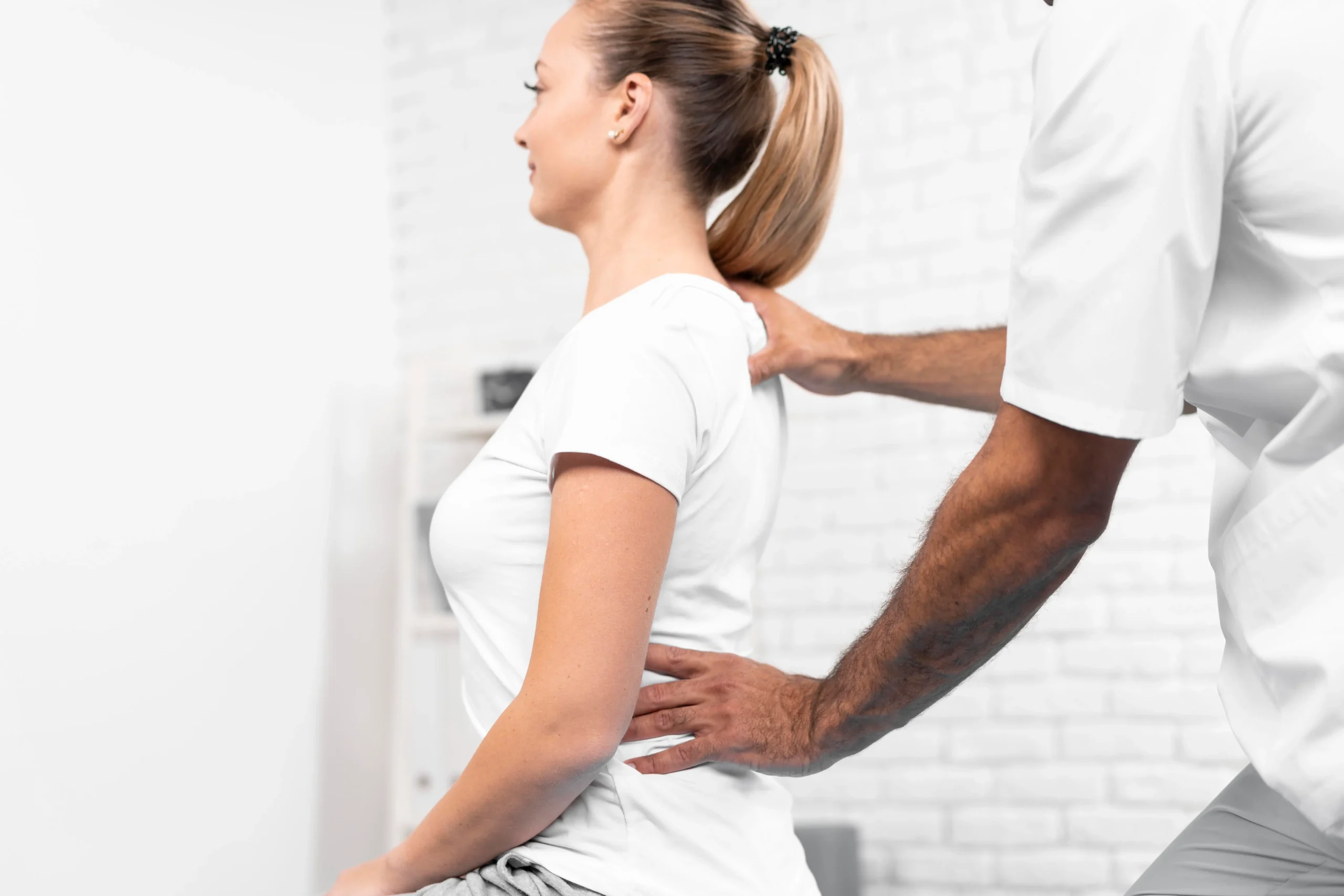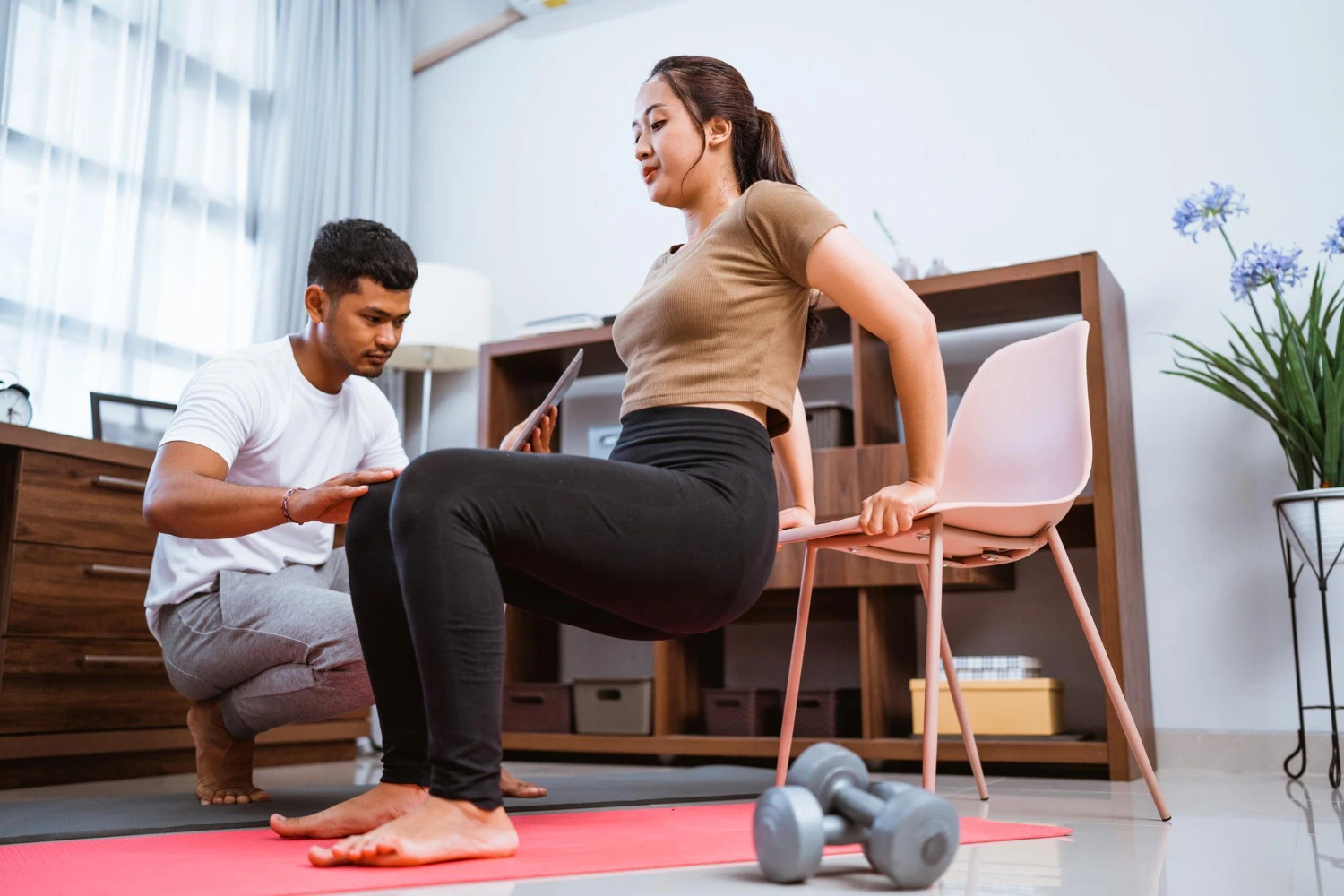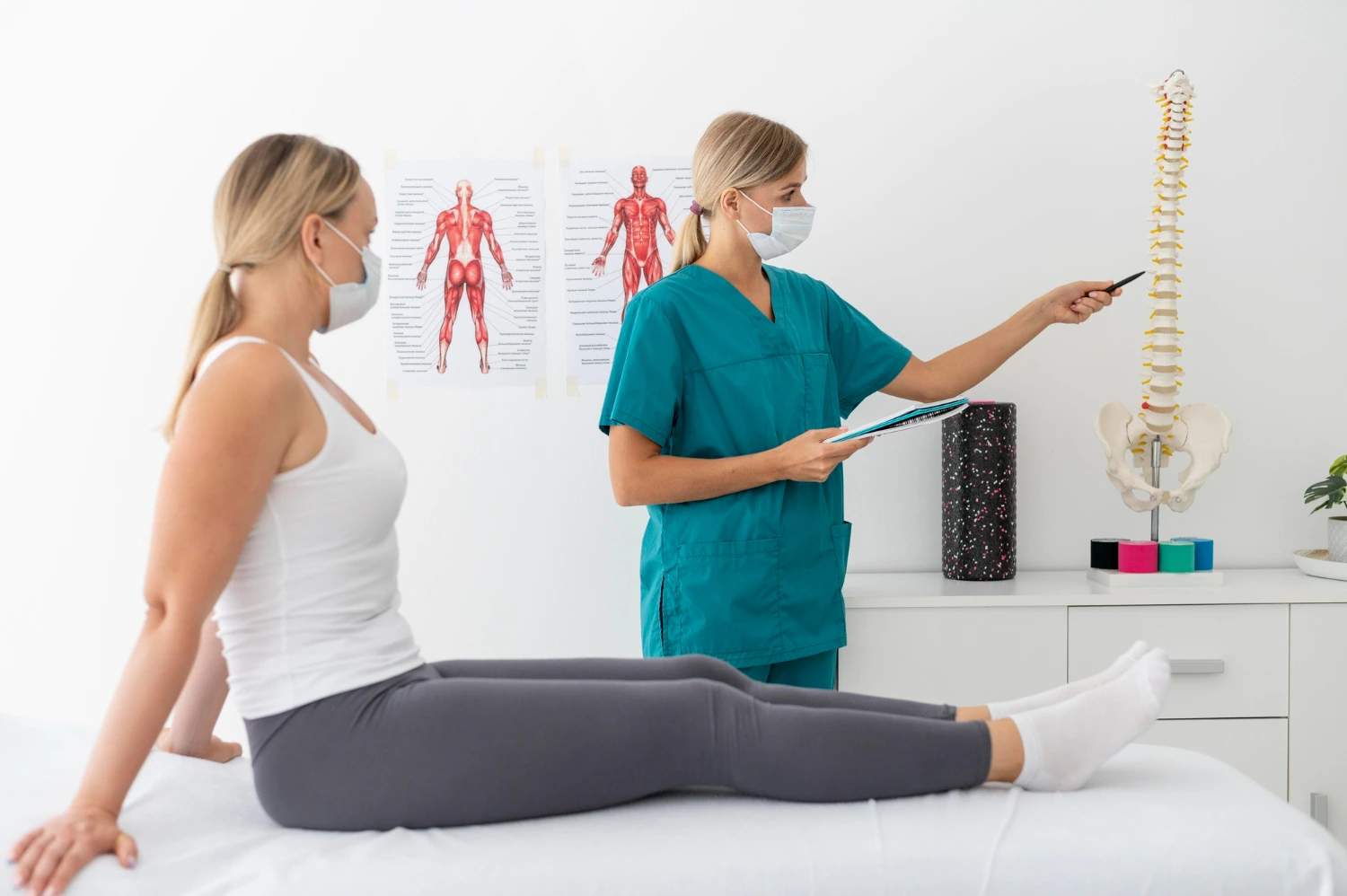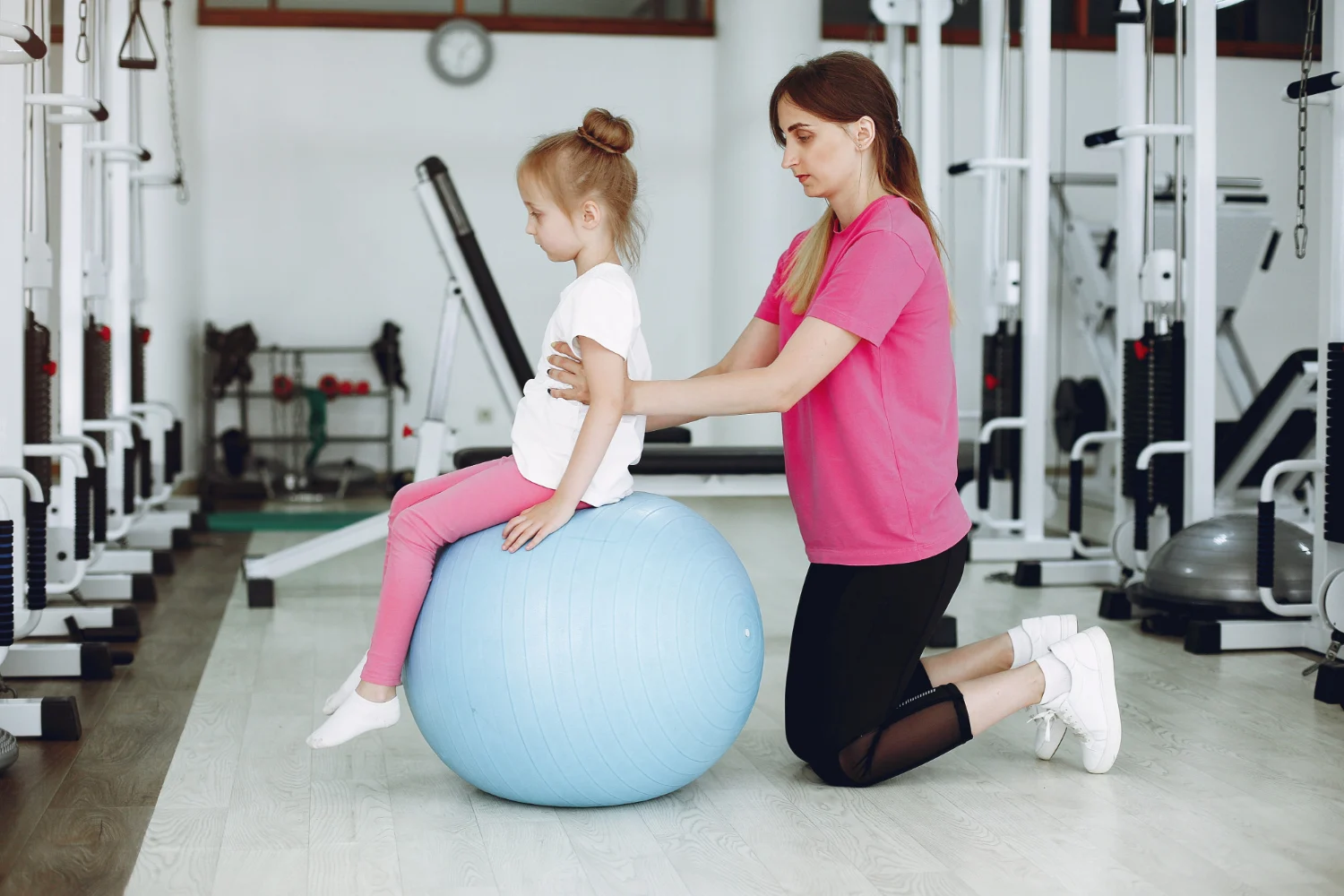
Best Physiotherapy Clinics in Dubai for Back & Neck Pain (2025 Guide)

Introduction

Back and neck pain have become some of the most common health challenges faced by Dubai residents today.
From long working hours and sedentary lifestyles to sports injuries and postural strain, there are countless
reasons people experience chronic discomfort. Physiotherapy plays a vital role in addressing these issues —
not only providing pain relief but also improving posture, flexibility, and overall spinal health.

In this 2025 guide, we’ll explore the best physiotherapy clinics in Dubai that specialize in back and neck pain,
discuss the latest treatment techniques, and share expert insights to help you choose the most suitable clinic for your needs.

1. Why Physiotherapy is Essential for Back & Neck Pain

Physiotherapy doesn’t just treat pain — it treats the root cause. Modern physiotherapists in Dubai use advanced
diagnostic tools to identify muscular imbalances, nerve compressions, and joint restrictions. With customized treatment
plans that include manual therapy, electrotherapy, and targeted exercises, patients can achieve long-lasting recovery rather than temporary relief.

Common benefits include

  • Reduced inflammation and stiffness
  • Improved muscle flexibility and alignment
  • Better posture and ergonomic balance
  • Prevention of recurring pain episodes

2. Top Physiotherapy Clinics in Dubai for Back & Neck Pain (2025 Edition)

Movementon Physiotherapy Center – Dubai Hills

Renowned for evidence-based physiotherapy treatments, Movementon is a favorite among professionals and athletes alike. Their specialists focus on spinal rehabilitation using manual therapy, dry needling, and posture correction programs.

Services include:

  • Spinal manipulation & mobilization
  • Myofascial release therapy
  • Ergonomic training for office workers
  • Home physiotherapy sessions

Why choose them: Certified therapists, advanced diagnostic tools, and personalized rehab programs.

Emirates Physiotherapy Center

A pioneer in the field, Emirates Physiotherapy offers world-class facilities and a multidisciplinary approach. Their back and neck rehabilitation programs include hydrotherapy, electrotherapy (IFT, TENS), and therapeutic ultrasound.

Specialties:

  • Chronic pain management
  • Postural correction
  • Cervical spine rehabilitation
  • Sports injury recovery

Novomed Physiotherapy & Rehabilitation

Novomed’s physiotherapists integrate medical expertise with advanced recovery technology. Their treatment programs are effective for patients with herniated discs, sciatica, and whiplash injuries.

Highlights:

  • Spinal decompression therapy
  • Shockwave treatment for muscular knots
  • Detailed ergonomic assessment
  • One-on-one rehabilitation programs

German Neuroscience Center (GNC)

Specializing in neurological and musculoskeletal disorders, GNC is ideal for patients dealing with chronic neck stiffness, vertigo-related imbalance, or nerve compression.

Key features:

  • Neuromuscular physiotherapy
  • Vertigo & balance retraining
  • Cervical traction and relaxation therapy

Diversified Integrated Sports Clinic (DISC)

DISC is known for sports-oriented physiotherapy. Their team uses active release techniques and chiropractic adjustments to treat athletes suffering from neck and back pain caused by overtraining or injury.

Unique offerings:

  • Chiropractic alignment
  • Functional movement screening
  • Sports massage and corrective therapy

3. Modern Physiotherapy Treatments for Back & Neck Pain

  • Manual Therapy
    • Description: Hands-on manipulation of muscles and joints
    • Benefits: Immediate pain relief and improved mobility
  • Dry Needling
    • Description: Precise insertion of fine needles into trigger points
    • Benefits: Reduces muscle knots and tension
  • Electrotherapy (IFT/TENS)
    • Description: Uses electrical impulses to stimulate nerves
    • Benefits: Relieves pain, reduces inflammation
  • Ultrasound Therapy
    • Description: Sound waves for deep tissue healing
    • Benefits: Enhances cell repair and reduces swelling
  • Postural Re-Education
    • Description: Corrects alignment and body mechanics
    • Benefits: Prevents future pain episodes

4. What to Expect During Your Physiotherapy Session

Your physiotherapist will first conduct a comprehensive assessment — including posture analysis, range of motion testing, and medical history review.
Based on findings, a customized treatment plan will be created to target specific muscle groups and spinal segments.
Sessions typically involve:

  • Warm-up and stretching
  • Manual therapy or electrotherapy
  • Targeted strengthening exercises
  • Home exercise guidance and lifestyle tips

5. Preventing Back & Neck Pain in Everyday Life

  • Maintain good posture: Keep your shoulders back and spine aligned.
  • Take frequent breaks: Especially if working long hours at a desk.
  • Use ergonomic furniture: Invest in chairs that support your lumbar region.
  • Stay active: Regular exercise strengthens your back and neck muscles.
  • Hydrate & eat well: Proper nutrition supports tissue healing.

6. Why Choose Physiotherapy in Dubai?

Dubai’s physiotherapy sector is equipped with the latest rehabilitation technology, internationally trained experts, and personalized care models.
The combination of innovation, convenience, and multicultural expertise makes it a top destination for physiotherapy in the UAE.

Frequently Asked Questions (FAQs)

Q1: How long does it take to recover from back or neck pain with physiotherapy?

A: Mild cases may improve within 3–5 sessions, while chronic or severe conditions may require a few weeks of consistent therapy.

Q2: Can I take physiotherapy while on pain medication?

A: Yes, physiotherapy complements medication by addressing the root cause instead of just the symptoms.

Q3: Do physiotherapy clinics in Dubai offer home visits?

A: Many top clinics like Movementon and Emirates Physiotherapy provide convenient home physiotherapy sessions.

Q4: Is physiotherapy covered by health insurance in Dubai?

A: Most insurance plans in Dubai include physiotherapy coverage, especially for musculoskeletal issues.

Q5: How do I choose the right physiotherapist?

A: Look for licensed professionals, verified reviews, personalized treatment plans, and clinic accessibility.

Conclusion

Finding the right physiotherapy clinic in Dubai for back and neck pain can make a life-changing difference. Whether you’re an athlete, a working professional,
or recovering from an injury, physiotherapy offers long-term healing, not just short-term relief. Choose a clinic that blends modern technology with compassionate care — and take the first step toward a pain-free life today.

Top 10 Benefits of Regular Physiotherapy Sessions for Overall Health

Introduction

Physiotherapy is not just a treatment for injuries or post-surgery recovery—it’s a holistic approach to enhancing the body’s mobility, strength, and balance. Regular physiotherapy sessions can improve quality of life, prevent chronic pain, and help maintain physical health at every age. Whether you’re an athlete, an office worker, or a senior, physiotherapy offers long-term benefits that go far beyond pain relief.

In this blog, we’ll explore the top 10 benefits of regular physiotherapy sessions, how they help with overall health, and why choosing a professional physiotherapist in Dubai can transform your well-being.

1. Improves Mobility and Flexibility

One of the most noticeable benefits of physiotherapy is improved movement and flexibility. Physiotherapists design tailored stretching and mobility routines that target stiff joints and tight muscles.

  • Restoring full range of motion.
  • Enhancing muscle flexibility.
  • Preventing future injuries.

Whether you’re recovering from surgery or simply struggling with stiffness, regular sessions can help your body move freely again.

2. Reduces Chronic Pain

Chronic pain caused by arthritis, back problems, or previous injuries can be effectively managed through physiotherapy. Techniques like manual therapy, dry needling, and electrotherapy help reduce inflammation, improve circulation, and release muscle tension. Unlike painkillers that only mask pain, physiotherapy treats the root cause—ensuring lasting relief and improved function.

3. Prevents Injury Recurrence

Physiotherapists don’t just treat pain—they teach prevention. Through biomechanical analysis, they identify weak spots and provide exercises to strengthen them. This proactive approach helps athletes, laborers, and office workers avoid repetitive strain injuries, back issues, and joint problems before they worsen.

4. Speeds Up Post-Surgery Recovery

After surgeries such as knee replacement, shoulder reconstruction, or spinal operations, physiotherapy becomes essential. Professional rehabilitation programs:

  • Reduce scar tissue formation.
  • Improve circulation for faster healing.
  • Gradually restore joint and muscle function.

With regular sessions, patients recover faster and regain confidence in their movements.

5. Enhances Posture and Alignment

Poor posture is a growing problem in today’s digital world. Long hours of sitting at desks or using mobile phones can lead to neck pain, rounded shoulders, and back problems. Physiotherapists correct these imbalances through posture retraining, core strengthening, and ergonomic advice. With proper posture, you reduce fatigue, enhance breathing, and prevent long-term spinal issues.

6. Boosts Athletic Performance

Athletes rely on physiotherapy to enhance their performance and prevent injuries. Sports physiotherapy focuses on improving:

  • Agility
  • Balance
  • Muscle coordination
  • Joint stability

Regular sessions fine-tune an athlete’s physical condition, improve recovery time after training, and prepare the body for peak performance.

7. Supports Healthy Aging

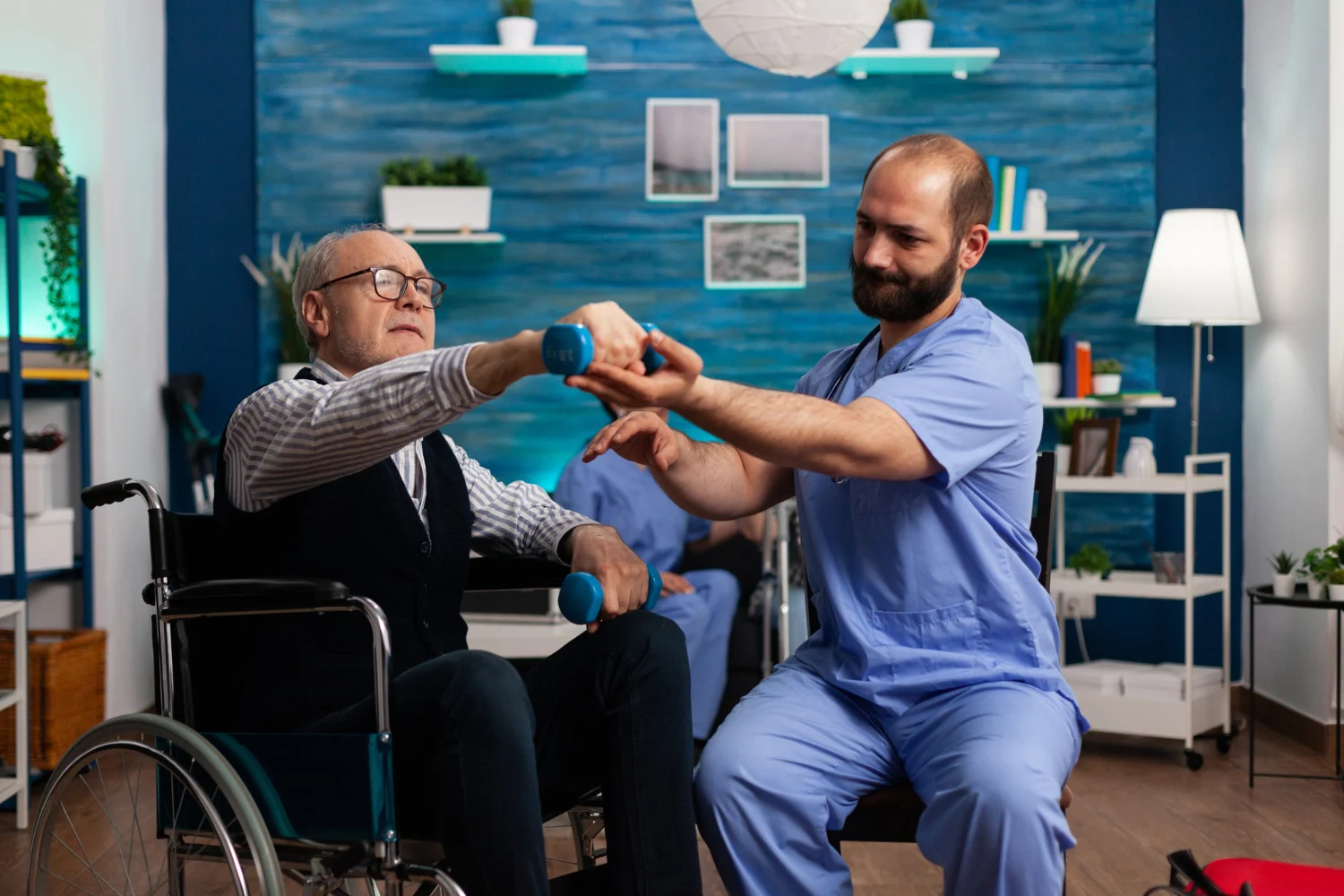
As we age, our joints stiffen, muscles weaken, and balance decreases—leading to a higher risk of falls. Regular physiotherapy sessions help older adults stay active and independent. Specialized programs for seniors include gentle exercises that:

  • Improve balance and coordination.
  • Strengthen muscles.
  • Maintain mobility for daily activities.

This not only promotes longevity but also boosts confidence and quality of life.

8. Aids in Neurological Recovery

Physiotherapy plays a vital role in treating neurological disorders such as stroke, Parkinson’s disease, and multiple sclerosis. Through targeted movement retraining, balance therapy, and coordination exercises, patients can regain strength and independence over time. The brain and body work together more effectively, leading to improved daily function and emotional well-being.

9. Helps in Weight Management and Metabolism

Regular physiotherapy sessions can support weight control through guided physical activities and movement-based therapies. By improving posture, muscle tone, and flexibility, your body becomes more efficient at burning calories and maintaining metabolism. For overweight individuals or those recovering from surgery, physiotherapists provide customized low-impact exercises to build endurance safely.

10. Promotes Mental and Emotional Wellness

Pain and physical limitations often lead to frustration, anxiety, or depression. Physiotherapy not only relieves physical discomfort but also helps you regain control over your body and life. As endorphins release during exercises, you experience improved mood, reduced stress, and higher confidence. This mind-body connection makes physiotherapy a holistic wellness solution—not just a physical one.

Additional Benefits of Regular Physiotherapy

  • Strengthens muscles and ligaments.
  • Improves sleep quality.
  • Reduces dependency on medications.
  • Enhances circulation and immunity.
  • Boosts coordination and body awareness.

Why Choose Professional Physiotherapy in Dubai

Dubai offers world-class physiotherapy clinics with modern equipment, trained therapists, and personalized care. Clinics like MovementOn Physio provide advanced rehabilitation and pain management programs for all age groups. From sports injuries to chronic pain relief, professional physiotherapy in Dubai ensures your health journey is guided safely and effectively.

How Often Should You Do Physiotherapy?

The frequency depends on your condition.

  • For injury recovery: 2–3 sessions per week initially.
  • For maintenance and prevention: 1 session every 2–3 weeks.
  • For chronic pain or post-surgery: Regular weekly sessions until stability is achieved.

Your physiotherapist will create a schedule based on your body’s healing rate and personal goals.

Conclusion

Regular physiotherapy is a powerful investment in your overall well-being. It strengthens the body, heals pain, improves movement, and supports mental health. Whether you’re managing a chronic condition, recovering from surgery, or simply looking to stay active—consistent physiotherapy sessions can transform your quality of life.

At MovementOn Physio, Dubai, our expert physiotherapists tailor each session to your unique needs using evidence-based techniques and advanced technology. Reclaim your movement. Relieve your pain. Revive your confidence.

FAQs About Regular Physiotherapy Sessions

Q1. How long does a physiotherapy session last?
Most sessions last between 30 to 60 minutes, depending on the treatment type and your recovery goals.

Q2. Can physiotherapy help even if I don’t have pain?
Yes! Physiotherapy helps improve posture, flexibility, and strength—ideal for preventing future injuries or stiffness.

Q3. How soon will I see results from physiotherapy?
Some people notice improvements within 2–3 sessions, while chronic cases may take several weeks for long-term results.

Q4. Is physiotherapy covered by insurance in Dubai?
Many insurance plans in Dubai cover physiotherapy sessions. Always check your coverage details with your provider.

Q5. Do I need a doctor’s referral for physiotherapy?
In most cases, you can book a session directly. However, post-surgery or specialized cases may require a doctor’s note.

Q6. Are physiotherapy exercises painful?
Therapists ensure exercises are safe and comfortable. Some mild soreness is normal initially as your body adapts.

How Physiotherapy Helps Improve Posture and Spine Health

Introduction

In today’s fast-paced world, bad posture has silently become one of the most common health concerns — especially among working professionals and students. Hours spent sitting at desks, bending over phones, or driving long distances take a heavy toll on the spine and musculoskeletal system.

Poor posture doesn’t just make you look tired — it can lead to chronic neck and back pain, stiffness, fatigue, reduced mobility, and even nerve compression.

This is where physiotherapy plays a crucial role. With expert guidance, personalized exercises, and modern techniques, physiotherapists help correct posture, strengthen your spine, and prevent long-term pain and injury.

Let’s explore how physiotherapy improves posture and spine health — and how specialized treatment at Movementon Physio Dubai can help you stand taller, move better, and live pain-free.

1. Understanding the Importance of Good Posture

Posture refers to the way we hold our body while standing, sitting, or lying down. Good posture ensures that muscles, joints, and ligaments function properly and distribute body weight evenly.

 Benefits of Good Posture:

  • Reduces strain on muscles and ligaments
  • Prevents back, neck, and shoulder pain
  • Promotes healthy breathing and circulation
  • Improves digestion and core stability
  • Enhances energy and confidence
  • Prevents joint wear and tear over time

 2. Common Causes of Poor Posture

  • Sedentary lifestyle – Long hours of sitting without movement.
  • Improper workstation setup – Poor ergonomics at office desks.
  • Weak core muscles – The spine lacks support from abdominal and back muscles.
  • Injury or surgery – Muscle imbalance during recovery.
  • Heavy backpack or lifting – Overloading the spine.
  • Prolonged phone use – “Tech neck” from constantly looking down at devices.

3. How Physiotherapy Improves Posture

Physiotherapy focuses on realigning the spine, strengthening weak muscles, and retraining your body to maintain a neutral posture naturally.

Here’s how physiotherapists help:

a. Postural Assessment

Observation, digital analysis, and mobility testing to identify imbalances in shoulders, spine, and pelvis.

b. Manual Therapy

Hands-on techniques like joint mobilization, myofascial release, and spinal adjustments reduce stiffness and improve flexibility.

c. Strengthening Exercises

Targeted exercises for your core, back, shoulders, and hips enhance spinal stability.

d. Stretching & Flexibility

Improves range of motion and relieves muscle tension, especially in the neck and hamstrings.

e. Ergonomic Education

Learn how to sit, stand, and move correctly at work and home.

f. Postural Taping & Supports

Using kinesio tape or braces to train muscle memory for upright posture.

4. Spine Health and Its Connection to Posture

Your spine supports movement, balance, and neural health. Poor posture can lead to:

  • Misalignment of vertebrae
  • Herniated or bulging discs
  • Pinched nerves
  • Muscle fatigue and spasms
  • Degenerative spinal changes

5. Physiotherapy Treatments for Posture and Spine Correction

  • Manual Therapy – Gentle spinal mobilization and joint flexibility.
  • Dry Needling – Relieves chronic muscle tension.
  • Electrotherapy (IFT & TENS) – Reduces inflammation and promotes healing.
  • Ultrasound Therapy – Accelerates soft tissue recovery.
  • Shockwave Therapy – Effective for chronic posture-related pain.
  • Core Strengthening Programs – Builds spinal support and endurance.
  • Postural Retraining Exercises – Restores natural alignment.
  • Ergonomic & Lifestyle Coaching – Teaches healthy posture habits daily.

6. Long-Term Benefits of Physiotherapy for Posture Correction

  1. Permanent posture improvement
  2. Reduced back and neck pain
  3. Improved breathing and energy
  4. Increased mobility and flexibility
  5. Better confidence and body alignment
  6. Prevention of future injuries

7. Best Physiotherapy Exercises for Better Posture

  • Chin tucks
  • Shoulder blade squeezes
  • Wall angels
  • Planks
  • Bridge pose
  • Cat-cow stretch
  • Thoracic extensions

Always perform these exercises under professional supervision.

8. How Poor Posture Affects Mental Health

Posture impacts not just your body, but your mind. Slouching increases fatigue and anxiety, while upright posture improves:

  • Self-esteem
  • Energy and focus
  • Breathing and confidence
  • Overall well-being

9. Why Choose Movementon Physio Dubai for Posture & Spine Care

  • Experienced physiotherapists in spinal alignment
  • Advanced digital posture assessment
  • Customized rehabilitation programs
  • Ergonomic consultations
  • Cutting-edge pain management tools
  • One-on-one therapy sessions

Our goal is not just temporary relief — but a stronger, healthier spine for life.

10. Expert Tips to Maintain Good Posture Daily

  • Adjust your chair height to keep knees at 90°
  • Keep computer screens at eye level
  • Avoid crossing legs for long periods
  • Stand up and stretch every 30–45 minutes
  • Sleep on a firm mattress with proper support
  • Practice daily core exercises or yoga
  • Be mindful — good posture starts with awareness

Frequently Asked Questions (FAQs)

1. Most patients see results in 4–6 weeks of consistent physiotherapy.

2. Yes, physiotherapy can correct rounded shoulders and hunchback posture.

3. Posture is trainable — it can always be improved.

4. Physiotherapy helps manage spinal disc issues safely.

5. Bad posture often causes tension headaches.

6. Ideal sleeping position: back or side with neck support.

7. Physiotherapy is safe and beneficial for older adults.

Conclusion

Posture correction isn’t just about standing straight — it’s about retraining your entire body to move efficiently and pain-free. Through physiotherapy, you can restore spinal balance, strength, and flexibility.

At Movementon Physio Dubai, we help patients of all ages overcome posture challenges with personalized, professional care.

Don’t wait for pain to become chronic — invest in your spine health today.
Book a posture assessment at Movementon Physio Dubai and start your journey toward perfect alignment and pain-free living.

Physiotherapy for Post-Surgery Recovery: Regain Strength, Mobility & Confidence

Introduction

Undergoing surgery is only half the journey—the true recovery begins afterward. Whether you’ve had joint replacement, ligament reconstruction, spinal surgery, or even minor orthopedic procedures, your body needs time, guidance, and movement therapy to heal properly.

That’s where physiotherapy after surgery plays a critical role. Post-surgical physiotherapy helps restore your mobility, rebuild muscle strength, reduce pain and swelling, and ensure that your recovery is complete and long-lasting.

In a dynamic city like Dubai, where fast-paced lifestyles demand quick and safe recovery, physiotherapy serves as the bridge between medical healing and functional living. This blog explores the importance, techniques, and benefits of post-surgery physiotherapy, helping you understand how professional guidance can make all the difference in your recovery journey.


1. Why Post-Surgery Physiotherapy Is Essential

Surgery can often leave your body weak, stiff, and in pain. Without proper movement and strengthening, recovery can be delayed, and complications such as stiffness, muscle weakness, or poor joint mobility may occur.

Physiotherapy ensures:

  • Faster healing of surgical wounds
  • Restoration of normal joint movement
  • Prevention of scar tissue buildup
  • Improved circulation and oxygen supply to healing tissues
  • Reduced pain, inflammation, and swelling
  • Regained strength, flexibility, and balance

Physiotherapists work closely with your surgeon to design a customized rehabilitation plan that matches your surgical procedure, pain level, and overall health condition.


2. Common Surgeries That Require Physiotherapy

Physiotherapy is recommended after almost all major surgeries, including:

Orthopedic Surgeries

  • Knee replacement
  • Hip replacement
  • Shoulder surgery
  • ACL reconstruction
  • Fracture fixation

Spinal Surgeries

  • Disc replacement
  • Laminectomy
  • Spinal fusion

Cardiac Surgeries

  • Bypass surgery
  • Valve replacement

Neurological Surgeries

  • Stroke rehabilitation
  • Brain tumor surgery recovery

Abdominal or General Surgeries

  • Hernia repair
  • Cesarean section
  • Bariatric surgery

Each type of surgery affects different body systems, requiring specialized care to restore function safely and effectively.


3. The Goals of Post-Surgery Physiotherapy

  1. Reduce Pain and Swelling – Techniques like cryotherapy, ultrasound, and manual therapy help ease discomfort.
  2. Restore Joint and Muscle Function – Gradual movement training prevents stiffness.
  3. Enhance Muscle Strength – Strengthening exercises rebuild lost muscle power.
  4. Improve Mobility and Balance – Walking, stretching, and coordination exercises promote independence.
  5. Prevent Secondary Complications – Such as deep vein thrombosis, infections, or contractures.
  6. Support Mental and Emotional Health – Encourages confidence and helps you return to normal activities.

4. The Stages of Post-Surgical Rehabilitation

Stage 1: Immediate Post-Operative Phase

Goal: Protect the surgical site and manage pain and swelling.

  • Gentle movements under supervision
  • Ice therapy for swelling
  • Breathing and circulation exercises

Stage 2: Early Recovery Phase

Goal: Begin mobility and controlled strengthening.

  • Assisted movements for flexibility
  • Low-intensity isometric exercises
  • Basic walking or gait training

Stage 3: Strength & Endurance Phase

Goal: Rebuild muscle and joint stability.

  • Resistance training
  • Functional strengthening exercises
  • Balance and coordination drills

Stage 4: Functional Rehabilitation

Goal: Regain full independence and confidence.

  • Sport-specific or activity-specific training
  • Core strengthening and postural correction
  • Gradual return to daily routines

5. Advanced Physiotherapy Techniques for Post-Surgery Recovery

At advanced clinics like Movementon Physio in Dubai, post-surgical rehabilitation involves cutting-edge treatment methods, including:

  • Manual Therapy: Hands-on mobilization to restore joint flexibility and reduce stiffness.
  • Electrotherapy (IFT/TENS): Uses mild electrical impulses to control pain and speed up tissue healing.
  • Ultrasound Therapy: Promotes deep tissue repair, reduces inflammation, and enhances blood flow.
  • Cryotherapy & Heat Therapy: Cold therapy helps control swelling, while heat therapy relaxes stiff muscles.
  • Laser Therapy: Accelerates cellular repair and reduces post-operative discomfort.
  • Hydrotherapy: Gentle water-based exercises that allow movement with minimal joint pressure.
  • Dry Needling: Relieves muscle tightness and promotes healing in scarred or injured tissues.
  • Kinesio Taping: Provides support and stability to healing muscles and joints without restricting motion.

6. Importance of Early Mobilization After Surgery

One of the biggest misconceptions is that rest alone heals after surgery. In reality, excessive rest can cause:

  • Muscle weakness
  • Joint stiffness
  • Poor blood circulation
  • Slower healing

Physiotherapy introduces early mobilization, a controlled and safe method to help you start moving gradually. This ensures:

  • Better oxygen supply to the wound
  • Prevention of deep vein thrombosis (DVT)
  • Faster recovery of muscle tone
  • Improved confidence and mental well-being

Early physiotherapy sessions help patients transition from bed rest to walking and performing daily activities with independence.


7. Benefits of Post-Surgery Physiotherapy

  1. Accelerates Healing: Stimulates natural recovery processes and improves tissue repair.
  2. Prevents Complications: Avoids stiffness, clot formation, and infection risks.
  3. Reduces Pain and Swelling: Modalities like IFT, ultrasound, and cryotherapy reduce inflammation.
  4. Restores Functionality: Gradual exercises help regain balance and coordination.
  5. Improves Range of Motion: Gentle stretching enhances flexibility.
  6. Strengthens Muscles: Strength-building exercises prevent muscle wasting.
  7. Promotes Emotional Recovery: Encourages motivation and positive outlook post-surgery.
  8. Speeds Up Return to Work or Sports: Customized plans ensure you resume your lifestyle safely.

8. Post-Surgery Physiotherapy Tips for Faster Recovery

  • Follow your physiotherapist’s instructions closely.
  • Avoid sudden, jerky movements.
  • Maintain proper posture during rest and movement.
  • Stay hydrated and eat protein-rich foods to promote healing.
  • Keep your surgical site clean and follow wound-care guidelines.
  • Use assistive devices (walker, crutches) as advised.
  • Gradually increase your activity level under supervision.
  • Stay patient—healing takes time and consistency.

9. Role of Physiotherapy in Post-Joint Replacement Recovery

Joint replacement surgeries (like knee or hip replacements) require structured physiotherapy for success. The rehabilitation plan typically includes:

  • Range of motion exercises for flexibility
  • Muscle strengthening to support the new joint
  • Gait training for proper walking mechanics
  • Balance retraining to prevent falls
  • Pain management through therapeutic modalities

At Movementon Physio, post-joint replacement programs are designed to ensure patients regain full mobility and resume normal activities within weeks.


10. Why Choose Movementon Physio for Post-Surgical Rehabilitation in Dubai

Movementon Physio is one of Dubai’s most trusted physiotherapy centers, known for personalized post-surgical recovery programs.

Here’s why patients prefer us:

  • Experienced and certified physiotherapists
  • Advanced rehabilitation technology and modalities
  • Evidence-based recovery protocols
  • Comfortable, patient-focused environment
  • One-on-one care and detailed progress tracking

Whether you’ve undergone orthopedic, spinal, or neurological surgery, our experts help you recover faster, move better, and live pain-free.


Conclusion

Post-surgery physiotherapy is not just a treatment—it’s a recovery partnership. It ensures that your body regains its natural movement, strength, and flexibility while preventing future complications.

With the right physiotherapy plan, you can move from pain to performance, from surgery to strength, and from dependence to full independence.

If you’ve recently undergone surgery in Dubai, don’t delay your recovery.
Book your session with Movementon Physio today and experience expert post-surgical rehabilitation that gets you back to your best—safely, efficiently, and confidently.

Physiotherapy for Sports Injuries: Recovery, Prevention & Peak Performance

Introduction

Sports injuries are an inevitable part of an athlete’s journey — whether you’re a professional player or a weekend enthusiast. From sprains and strains to ligament tears and joint dislocations, injuries can derail training schedules and affect performance levels. This is where physiotherapy steps in as a cornerstone of recovery, rehabilitation, and prevention.

Physiotherapy for sports injuries not only treats the pain but also addresses the root cause of dysfunction, helping athletes regain mobility, strength, and confidence. In Dubai, where fitness and sports are deeply ingrained in the culture, sports physiotherapy plays a vital role in helping individuals return to their sport faster and stronger.

In this blog, we’ll dive into the importance, types, and benefits of physiotherapy for sports injuries, exploring how professional care can help athletes recover efficiently, prevent re-injury, and enhance their overall performance.

1. Understanding Sports Injuries

Sports injuries are typically categorized into two main types:

  • Acute Injuries: Occur suddenly during activity, such as sprains, fractures, and muscle tears.
  • Chronic Injuries: Develop over time due to repetitive strain, poor technique, or improper training.

Common sports injuries include:

  • Ankle sprains
  • ACL (anterior cruciate ligament) tears
  • Hamstring strains
  • Tennis elbow
  • Shoulder dislocation
  • Shin splints
  • Rotator cuff injuries

Each injury affects different tissues — muscles, tendons, ligaments, or joints — and requires a tailored physiotherapy plan for recovery.

2. Role of Physiotherapy in Sports Injury Recovery

Physiotherapy plays a critical role in every stage of sports injury management:

  • Acute Stage (Pain and Swelling Control): Techniques like ice therapy, electrotherapy, and rest help reduce inflammation.
  • Rehabilitation Stage (Restoration): Focus on restoring joint mobility, muscle strength, and functional movement.
  • Return-to-Sport Stage: Gradual reintegration of sport-specific drills and conditioning to ensure safe participation.

A professional physiotherapist creates a customized recovery plan that considers the type of sport, injury severity, and individual body mechanics.

3. Key Physiotherapy Techniques for Sports Injuries

  • Manual Therapy: Hands-on mobilization techniques that reduce stiffness, restore motion, and relieve muscle tension.
  • Dry Needling: Targets trigger points and muscular knots to release tightness and promote healing.
  • Ultrasound Therapy: Uses sound waves to accelerate tissue repair and decrease inflammation.
  • Electrotherapy (IFT/TENS): Applies electrical stimulation to reduce pain and enhance muscle activation.
  • Kinesio Taping: Supports injured muscles and joints while allowing mobility, reducing strain during recovery.
  • Strength and Conditioning: Custom exercises improve stability, flexibility, and strength for long-term prevention.

4. The Rehabilitation Process: Step-by-Step

  1. Initial Assessment: Understanding the mechanism of injury, symptoms, and physical limitations.
  2. Pain & Swelling Management: Modalities like cold therapy, electrotherapy, and rest are applied.
  3. Mobility Restoration: Gentle stretching and range-of-motion exercises are introduced.
  4. Strength Building: Focus on core and muscle strengthening to stabilize affected joints.
  5. Functional Training: Reintroducing sport-specific drills to simulate real movements and build confidence.
  6. Injury Prevention Education: Guidance on warm-ups, posture correction, and proper techniques to avoid recurrence.

5. Common Sports Treated with Physiotherapy

Physiotherapy benefits athletes across all sports disciplines, including:

  • Football and Cricket
  • Tennis and Badminton
  • Running and Athletics
  • Swimming and Cycling
  • Golf and Basketball

Each sport demands unique muscle groups and movements, requiring targeted rehabilitation to restore balance and efficiency.

6. Preventing Sports Injuries Through Physiotherapy

Preventive physiotherapy focuses on identifying weaknesses and correcting movement imbalances before injuries occur.

  • Biomechanical Analysis: Identifies improper techniques or muscle asymmetries.
  • Dynamic Warm-ups: Prepares muscles and joints for high-impact activities.
  • Flexibility Training: Reduces muscle stiffness and enhances agility.
  • Load Management: Prevents overtraining and fatigue-related injuries.

7. Benefits of Physiotherapy for Athletes

  • Faster recovery through professional guidance and targeted techniques.
  • Pain reduction using dry needling, ultrasound, and electrotherapy.
  • Improved mobility and range of motion after injury.
  • Enhanced muscle strength and joint stability.
  • Optimized performance and movement mechanics.
  • Reduced risk of re-injury through corrective exercises.
  • Boosted confidence with a safe, guided return to sport.

8. Sports Physiotherapy for Professional and Amateur Athletes in Dubai

Dubai’s growing sports community — from football clubs to marathons — has made physiotherapy an essential service. Modern physiotherapy clinics in Dubai use advanced rehabilitation tools such as:

  • Shockwave therapy
  • Laser therapy
  • 3D motion analysis
  • Cryotherapy

Whether you’re a professional athlete or a recreational player, these evidence-based techniques ensure comprehensive care for long-term success.

9. When to Visit a Sports Physiotherapist

Seek physiotherapy if you experience:

  • Persistent pain after training
  • Swelling or stiffness in joints
  • Difficulty moving normally
  • Numbness or tingling sensations
  • Decreased performance due to fatigue or imbalance

Early intervention leads to quicker recovery and prevents minor issues from becoming chronic.

10. Why Choose Movementon Physio for Sports Injury Physiotherapy in Dubai

At Movementon Physio, we specialize in helping athletes recover faster and perform better through personalized, advanced physiotherapy care.

  • Certified sports physiotherapists with global experience
  • State-of-the-art technology and equipment
  • Customized rehab and prevention programs
  • Focus on long-term recovery, not just symptom relief
  • Comfortable, athlete-friendly environment

From sprains and muscle tears to post-surgery rehabilitation, our team ensures that every athlete returns to the field stronger and more confident.

Conclusion

Physiotherapy for sports injuries isn’t just about healing — it’s about rebuilding strength, resilience, and performance. With expert guidance and consistent rehabilitation, you can bounce back from injuries and elevate your athletic journey.

If you’re in Dubai and struggling with a sports injury, don’t wait for it to worsen. Reach out to Movementon Physio for a personalized recovery plan designed to help you move better, perform better, and prevent future injuries.

Book your sports injury physiotherapy session today at Movementon Physio Dubai!

Best Pediatric Physiotherapy Clinics in Dubai for Developmental Conditions (2025 Guide)

Every child deserves the chance to grow, move, and play freely. But sometimes, developmental delays or neurological challenges can make simple movements difficult. That’s where pediatric physiotherapy comes in — combining science, care, and play to help children reach their full potential.

Dubai is home to some of the best pediatric physiotherapy clinics in the world, offering advanced care for children with motor, neurological, or developmental conditions.

In this guide, we’ll explore how child physiotherapy in Dubai supports growth, improves mobility, and enhances confidence — one step, one smile at a time.

What is Pediatric Physiotherapy?

Pediatric physiotherapy (also known as child physiotherapy) is a specialized form of therapy that focuses on helping infants, toddlers, and children develop optimal movement, strength, and coordination.

The goal is to promote independence, improve motor skills, and enhance participation in everyday activities — from sitting and crawling to walking and running.

Pediatric physiotherapists in Dubai work with children who experience:

  • Delayed motor milestones (late sitting, crawling, walking)
  • Cerebral Palsy (CP)
  • Autism Spectrum Disorders (ASD)
  • Down Syndrome
  • Muscular Dystrophy
  • Spina Bifida
  • Post-surgical or injury-related rehabilitation

Why Children May Need Physiotherapy

Children’s bodies and brains are still developing. Even minor imbalances or delays can affect their long-term movement and posture.

Common reasons for pediatric physiotherapy include:

  • Poor posture or balance
  • Toe walking or uneven gait
  • Lack of coordination or strength
  • Difficulty with fine or gross motor skills
  • Recovery from fractures or surgeries
  • Neurological disorders affecting movement

Early physiotherapy intervention can make a huge difference — helping the child learn correct movement patterns and avoid long-term complications.

How Pediatric Physiotherapy Works

Pediatric physiotherapy uses fun, engaging, and child-friendly exercises to improve muscle control, flexibility, and coordination.

Key Techniques Include:

  • Play-Based Therapy: Exercises disguised as fun activities that motivate children.
  • Sensory Integration: Helps children process sensory input for better body awareness.
  • Gait Training: Teaches proper walking patterns and balance.
  • Stretching & Strengthening: Improves flexibility and muscle tone.
  • Hydrotherapy: Water-based therapy to improve joint movement safely.
  • Neurodevelopmental Therapy (NDT): For children with neurological impairments like cerebral palsy.
  • Postural Correction: Aligns spine, hips, and limbs for better mobility.

At Movement On Physio, we use a combination of manual therapy, sensory play, and customized exercises tailored to your child’s condition and age.

Top Conditions Treated with Pediatric Physiotherapy in Dubai

ConditionPhysiotherapy Focus
Cerebral PalsyMuscle control, balance, and gait training
Autism Spectrum Disorder (ASD)Sensory integration, coordination, body awareness
Developmental DelayStrength, mobility, posture correction
Down SyndromeJoint stability, endurance, coordination
Muscular DystrophyFlexibility, breathing exercises, mobility aids
Clubfoot & Orthopedic IssuesPost-surgical rehab, range of motion
Spina BifidaStrength, sitting balance, wheelchair mobility

Benefits of Pediatric Physiotherapy

Physiotherapy doesn’t just help with movement — it transforms lives.

  • Improved Motor Skills: Children develop better coordination and balance.
  • Enhanced Confidence: Successful movement builds self-esteem and independence.
  • Better Posture: Helps prevent scoliosis and alignment issues.
  • Pain Reduction: Relieves discomfort from stiffness or spasticity.
  • Social & Emotional Growth: Encourages participation in school and play.
  • Improved Breathing & Endurance: Especially for children with muscular or neurological conditions.

Role of Parents in Physiotherapy

Parents play a vital role in reinforcing therapy outside clinic sessions. Dubai’s leading physiotherapists encourage family involvement through:

  • Home exercise programs
  • Parent education and training
  • Progress monitoring and feedback
  • Encouraging regular activity at home

At Movement On Physio, we provide detailed home-care plans to ensure continued improvement between sessions.

Pediatric Physiotherapy Techniques Used in Dubai

  • Bobath Therapy (Neurodevelopmental Approach)
  • Sensory Play Therapy
  • Kinesio Taping for Children
  • Electrical Stimulation (for weak muscles)
  • Balance Boards and Therapy Balls
  • Functional Strength Training
  • Assistive Device Training (walkers, braces, etc.)

These approaches make therapy both effective and enjoyable for young patients.

Pediatric Rehabilitation Facilities in Dubai

Dubai is known for its world-class child rehabilitation facilities equipped with specialized pediatric therapy zones.

  • Child-sized equipment for safe exercises
  • Soft flooring and colorful environments
  • Multisensory therapy rooms
  • Play-based functional training zones
  • Wheelchair-accessible therapy suites

Why Choose Movement On Physio for Pediatric Care

  • Specialized Pediatric Physiotherapists: Experienced in child development and neuro rehab.
  • Customized Programs: Tailored to your child’s unique needs and abilities.
  • Child-Friendly Environment: Safe, supportive, and fun.
  • Parental Involvement: Continuous guidance and feedback for parents.
  • Evidence-Based Practices: Backed by global physiotherapy standards.
  • Accessible Dubai Location: Convenient for families across the city.

Home Physiotherapy for Children in Dubai

For children who require ongoing support, Movement On Physio offers home-based pediatric physiotherapy — a convenient solution for parents.

  • Personalized attention in a familiar environment
  • Reduced travel fatigue
  • Flexible appointment schedules
  • Continuity of care post-hospital discharge

Our team brings all the necessary child-friendly therapy equipment right to your home.

How Long Does Pediatric Physiotherapy Take?

The duration of therapy depends on the child’s age, condition, and response to treatment.

  • Mild developmental delay: 1–3 months
  • Cerebral palsy or neurological disorder: 6–12 months
  • Chronic conditions: Ongoing maintenance therapy

Consistency is key — with regular sessions, children can make remarkable progress in strength, coordination, and independence.

Top Pediatric Physiotherapy Clinics in Dubai

  • Movement On Physio (Dubai): Comprehensive child physiotherapy and neurodevelopmental programs.
  • Cambridge Medical & Rehabilitation Center
  • KidsFIRST Medical Center
  • Vita Health Pediatric Rehabilitation
  • Novomed Child Therapy Center

Each clinic focuses on holistic development, ensuring that therapy supports both physical and emotional growth.

Final Thoughts

Pediatric physiotherapy can change the trajectory of a child’s life. From improving coordination and posture to building confidence and independence — every session brings them closer to their full potential.

With expert guidance, compassion, and modern rehabilitation techniques, Movement On Physio ensures that children get the care they truly deserve.

Empower your child’s growth journey with Dubai’s best pediatric physiotherapists — because every milestone matters.

Best Neurological Physiotherapy Clinics in Dubai for Stroke Recovery

A stroke or neurological condition can significantly impact movement, balance, coordination, and independence.
Fortunately, with advanced neurological physiotherapy, recovery is possible — step by step.

Dubai has become a leading hub for neuro-rehabilitation, offering world-class physiotherapy centers equipped with cutting-edge technology and highly trained specialists.

This 2025 guide highlights the best neurological physiotherapy treatments and clinics in Dubai, focusing on stroke recovery, spinal cord injuries, and nerve rehabilitation — helping patients regain strength, mobility, and confidence.

What is Neurological Physiotherapy?

Neurological physiotherapy is a specialized branch of physiotherapy aimed at treating individuals with disorders affecting the brain, spinal cord, and peripheral nerves.

It focuses on restoring lost movement patterns, balance, coordination, and independence following conditions such as:

  • Stroke (Cerebrovascular Accident)
  • Spinal Cord Injury
  • Parkinson’s Disease
  • Multiple Sclerosis (MS)
  • Cerebral Palsy
  • Peripheral Neuropathy
  • Traumatic Brain Injury (TBI)

Through a mix of neuroplasticity-based training, manual therapy, and modern rehab equipment, patients can re-learn movement and improve quality of life.

Stroke Recovery Through Physiotherapy

A stroke often damages specific areas of the brain that control movement. Early, structured physiotherapy can help
retrain the brain to take over lost functions through neuroplasticity — the brain’s ability to adapt and rebuild.

Key Focus Areas in Stroke Physiotherapy:

  • Regaining motor control on the affected side
  • Balance and posture training
  • Gait (walking) retraining
  • Arm and hand movement rehabilitation
  • Cognitive and sensory integration
  • Functional independence in daily tasks

Common Physiotherapy Techniques Used:

  • Task-oriented movement retraining
  • Constraint-induced movement therapy (CIMT)
  • Mirror therapy for limb awareness
  • Gait and balance re-education
  • Electrical muscle stimulation (EMS)

Role of Neurological Physiotherapy in Spinal Cord Injury

Patients with spinal cord injuries (SCI) often face partial or complete loss of function below the injury level.
Neurological physiotherapists in Dubai use scientific rehabilitation programs to help patients regain strength, mobility, and confidence.

Rehabilitation Goals Include:

  • Maintaining joint flexibility and muscle strength
  • Preventing pressure sores and contractures
  • Teaching functional transfers and sitting balance
  • Re-educating standing or walking with assistive devices
  • Enhancing independence in daily activities

Advanced centers also use robotic gait trainers, hydrotherapy, and body-weight-supported treadmills to improve walking ability.

Advanced Technologies Used in Neurological Physiotherapy (Dubai 2025)

Dubai’s top physiotherapy clinics are equipped with state-of-the-art rehabilitation technology, enabling faster and more effective recovery.

  • Robotic-Assisted Therapy: Improves arm and leg movement using guided repetitive motion.
  • Virtual Reality (VR) Rehabilitation: Enhances engagement and motivation through interactive exercises.
  • Functional Electrical Stimulation (FES): Activates weak muscles via electrical impulses.
  • Body Weight Supported Treadmill Training (BWSTT): Helps re-learn walking safely.
  • Balance and Posture Assessment Systems: Provide real-time feedback for posture correction.

Best Neurological Conditions Treated by Physiotherapy

ConditionTreatment Focus
StrokeMotor re-education, balance, mobility
Parkinson’s DiseaseGait training, tremor control, coordination
Multiple Sclerosis (MS)Strength training, fatigue management
Cerebral Palsy (CP)Spasticity reduction, postural correction
Spinal Cord Injury (SCI)Functional independence, strength, mobility
Peripheral Nerve InjuryMuscle reactivation, sensory retraining

Why Choose Neurological Physiotherapy in Dubai?

  • Highly Qualified Neuro Physiotherapists: Internationally trained professionals with expertise in stroke and neuro rehab.
  • Advanced Equipment: Access to robotic and VR-based rehabilitation.
  • Holistic Care: Integration of physiotherapy, occupational therapy, and speech therapy.
  • Insurance Support: Many clinics offer direct billing for rehabilitation sessions.
  • Patient-Centric Environment: Private therapy suites for comfort and privacy.

What to Expect in a Neurological Physiotherapy Session

Your first session begins with a detailed neurological assessment, covering:

  • Muscle tone and strength
  • Range of motion and coordination
  • Reflexes, balance, and posture
  • Functional independence level

Based on findings, your physiotherapist will design a customized plan focusing on:

  • Strength and endurance exercises
  • Neuro-motor retraining
  • Balance and gait correction
  • Functional daily activity training
  • Home exercise guidance and progress tracking

Home-Based Neurological Physiotherapy in Dubai

For patients who find travel difficult post-stroke or surgery, many clinics offer home physiotherapy services.

Advantages include:

  • Convenience and comfort
  • One-on-one personalized care
  • Safe rehabilitation in familiar surroundings
  • Flexible scheduling for families

Movement On Physio and other leading Dubai clinics provide specialized neuro-therapists who bring portable equipment directly to your home.

Duration of Neurological Physiotherapy

  • Mild stroke or nerve injury: 2–3 months of regular therapy
  • Moderate neurological damage: 4–6 months of structured rehab
  • Severe spinal or brain injury: Continuous rehabilitation for 6–12 months

Key Benefits of Neurological Physiotherapy

  • Improves muscle coordination and control
  • Enhances mobility and balance
  • Prevents secondary complications (spasms, contractures)
  • Restores independence in daily activities
  • Boosts confidence and mental well-being

Top Neurological Physiotherapy Clinics in Dubai

  • Movement On Physio (Dubai): Specialized neuro-rehabilitation center with stroke recovery programs and robotic-assisted therapy.
  • Mediclinic Dubai Mall
  • Vita Health Physiotherapy Center
  • Amana Healthcare Rehabilitation Hospital
  • Cambridge Medical and Rehabilitation Center

Final Thoughts

Neurological physiotherapy gives hope — even after major neurological injuries.
With Dubai’s expert physiotherapists, advanced rehabilitation technology, and evidence-based care,
patients can achieve remarkable recovery and independence.

Best Women’s Health Physiotherapy in Dubai: Prenatal to Pelvic Care

Introduction

Women experience unique physical changes throughout life — from pregnancy and childbirth to hormonal transitions and menopause. These changes can lead to discomfort, muscle weakness, incontinence, or postural problems. This is where women’s health physiotherapy plays a vital role.

Dubai is home to some of the best physiotherapy clinics specializing in prenatal, postnatal, and pelvic care, helping women regain confidence and physical wellbeing through personalized and evidence-based treatments.

This 2025 guide explores the top physiotherapy treatments for women’s health in Dubai, their benefits, and how they help restore strength, balance, and quality of life.

What is Women’s Health Physiotherapy?

Women’s Health Physiotherapy focuses on diagnosing, preventing, and treating conditions related to the pelvic floor, pregnancy, postpartum recovery, and menopause.

It addresses challenges like:

  • Lower back or pelvic pain during pregnancy
  • Postnatal weakness or abdominal separation (Diastasis Recti)
  • Urinary incontinence or pelvic organ prolapse
  • Pain during intercourse or pelvic tightness
  • Hormonal posture changes or core instability

This form of therapy empowers women to heal naturally, improve body awareness, and regain strength safely.

Key Areas of Women’s Health Physiotherapy in Dubai

Prenatal (Antenatal) Physiotherapy

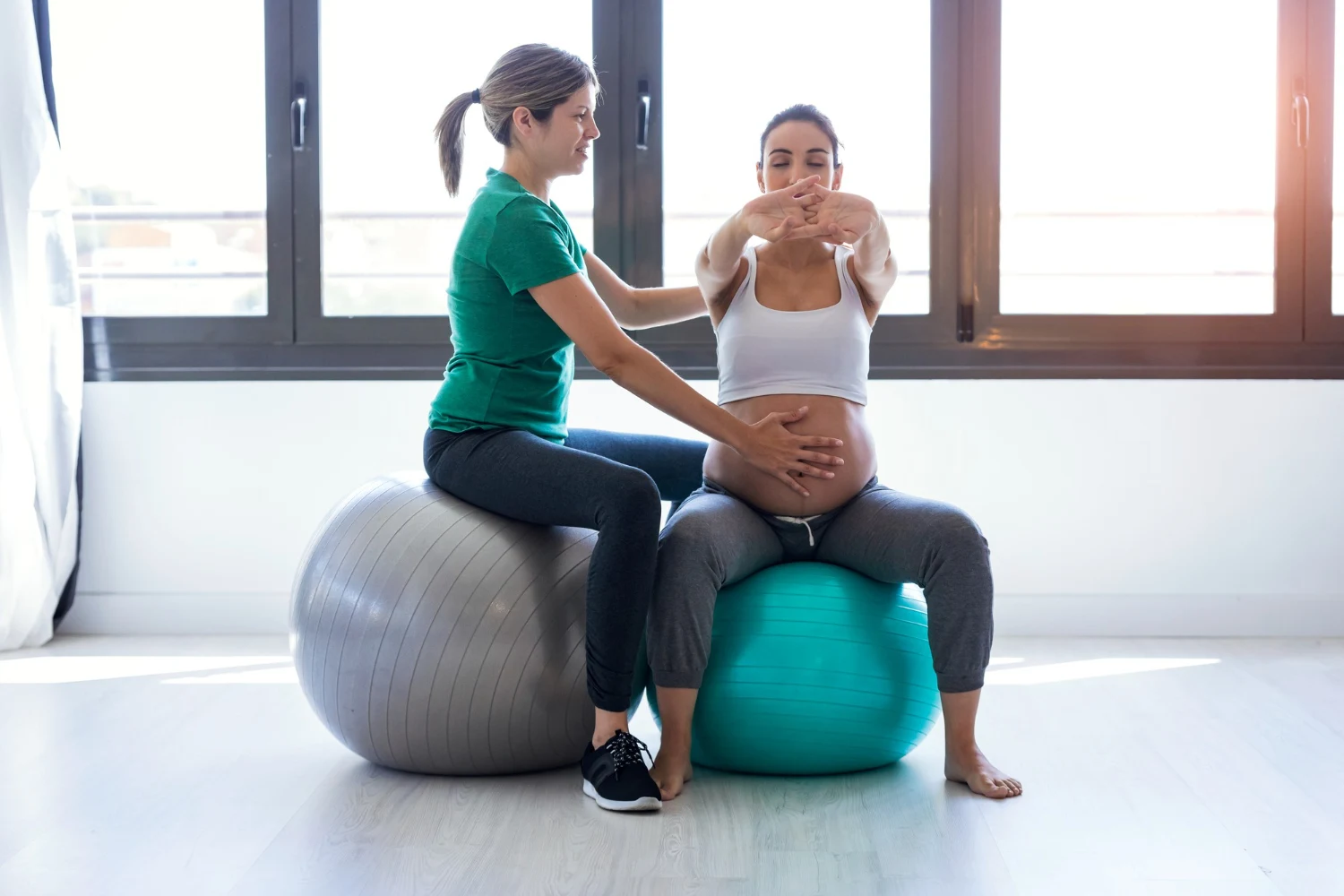
During pregnancy, a woman’s body goes through significant biomechanical and hormonal changes. Physiotherapists in Dubai offer gentle exercises and pain-relief techniques to manage these transitions effectively.

Goals of prenatal physiotherapy:

  • Reduce back and pelvic pain
  • Maintain healthy posture and flexibility
  • Prepare pelvic floor muscles for childbirth
  • Improve circulation and reduce swelling

Common techniques:

  • Gentle stretching and core stabilization
  • Pelvic floor activation exercises
  • Breathing and relaxation training
  • Safe strength training programs

Postnatal (Postpartum) Physiotherapy

After childbirth, women often experience muscle weakness, pelvic instability, and abdominal separation. Postnatal physiotherapy focuses on rebuilding core and pelvic strength, correcting posture, and restoring function.

Benefits include:

  • Faster recovery from delivery or C-section
  • Strengthening of pelvic floor and abdominal muscles
  • Reduction in back, hip, or pelvic pain
  • Management of urinary leakage or prolapse symptoms

Popular treatments used:

  • Core and pelvic floor rehabilitation
  • Manual therapy for scar tissue and alignment
  • Ultrasound therapy for healing C-section scars
  • Customized exercise programs for new mothers

Pelvic Floor Physiotherapy

Pelvic floor dysfunction can lead to urinary incontinence, pain, or prolapse — conditions many women silently suffer from.

Dubai’s pelvic health physiotherapists use evidence-based approaches to strengthen or relax pelvic muscles, depending on the issue.

Techniques include:

  • Internal pelvic floor assessments
  • Biofeedback and electrical stimulation
  • Pelvic floor relaxation or strengthening exercises
  • Bladder retraining programs

Common conditions treated:

  • Urinary incontinence
  • Pelvic organ prolapse
  • Painful intercourse (Dyspareunia)
  • Pelvic girdle dysfunction

Menopause & Hormonal Physiotherapy

During menopause, hormonal shifts can weaken bones, muscles, and pelvic support. Physiotherapy provides natural relief through mobility, posture correction, and strength programs that promote balance and endurance.

Therapies may include:

  • Weight-bearing and resistance exercises
  • Manual therapy for joint stiffness
  • Balance training and posture correction
  • Breathing and relaxation techniques

Why Women’s Health Physiotherapy is Essential

Women’s bodies undergo constant change — and physiotherapy helps them adapt with strength and grace.

Key benefits:

  • Prevents long-term pelvic or back issues
  • Promotes pain-free pregnancy and faster recovery
  • Improves bladder and bowel control
  • Restores confidence and sexual wellbeing
  • Enhances mobility, posture, and overall vitality

Top Women’s Health Physiotherapy Clinics in Dubai

Dubai hosts a range of specialized centers offering women-focused rehabilitation services. Most are equipped with female physiotherapists, private treatment rooms, and advanced diagnostic tools.

Key features to look for:

  • Certified women’s health physiotherapists
  • One-on-one sessions for comfort and privacy
  • Modern modalities (ultrasound, EMG biofeedback, electrotherapy)
  • Pre- and postnatal care programs
  • Pelvic health and postpartum exercise classes

What to Expect in a Women’s Health Physiotherapy Session

Each session begins with a detailed assessment of your symptoms, lifestyle, and goals. Your therapist may evaluate posture, pelvic floor function, breathing patterns, and abdominal muscles.

Then, a personalized treatment plan is created, including:

  • Manual therapy for pain and alignment
  • Exercise-based rehabilitation
  • Home exercise guidance
  • Education on self-management and posture correction

Home-Based Women’s Physiotherapy in Dubai

Many clinics also provide home physiotherapy for women, ideal for postpartum mothers or those seeking privacy. Therapists visit your home with portable equipment for comfort and convenience.

Advantages:

  • Personalized one-on-one care
  • No need to travel post-delivery
  • Safe and hygienic environment
  • Flexible timing for new mothers

When Should You See a Women’s Health Physiotherapist?

Consult a women’s physiotherapist in Dubai if you experience:

  • Lower back, hip, or pelvic pain
  • Urinary leakage while coughing or sneezing
  • Painful intercourse or pelvic tightness
  • Poor core strength or posture post-pregnancy
  • Difficulty recovering after C-section

Early assessment ensures faster and more effective recovery.

The Future of Women’s Physiotherapy in Dubai

As Dubai continues to lead in healthcare innovation, women’s physiotherapy has evolved with modern rehabilitation equipment, digital posture assessment, and holistic care approaches. The focus is shifting toward preventive physiotherapy, encouraging women to strengthen their bodies before complications arise.

Final Thoughts

Women’s health physiotherapy is more than just physical recovery — it’s about empowerment, confidence, and self-care. Whether you’re preparing for childbirth, recovering postpartum, or managing pelvic discomfort, expert physiotherapy can transform your quality of life.

Dubai’s best women’s health physiotherapists combine clinical expertise, compassion, and advanced technology to help every woman move better and feel stronger — from prenatal care to pelvic recovery.

Best Physiotherapy for Post-Surgical Rehabilitation in Dubai (2025 Guide)

Introduction

Recovering from surgery is a delicate journey that requires the right balance of rest, movement, and professional guidance. Physiotherapy plays a crucial role in this recovery process, helping patients regain strength, mobility, and independence. Whether you’ve undergone knee replacement, ACL reconstruction, spine, or shoulder surgery, post-surgical physiotherapy in Dubai ensures you heal correctly and return to your daily activities safely.

In this 2025 guide, we’ll explore the top post-surgical physiotherapy treatments in Dubai, their benefits, and what to expect during your recovery journey.

Importance of Physiotherapy After Surgery

Physiotherapy is not just an add-on after surgery—it’s a vital step in recovery. Post-operative stiffness, swelling, and weakness are common challenges, and without guided rehab, these can lead to long-term complications.

  • Restores joint mobility and flexibility
  • Reduces post-operative pain and swelling
  • Strengthens weak muscles and ligaments
  • Prevents scar tissue stiffness and contractures
  • Improves balance and coordination
  • Promotes faster and safer return to activity

Common Surgeries Requiring Physiotherapy

ACL Reconstruction

Rehabilitation after ACL surgery focuses on knee stability, muscle reactivation, and gradual return to sports. Physiotherapy includes quadriceps strengthening, balance retraining, and functional drills to restore knee control.

Knee Replacement (Total or Partial)

Physiotherapy helps reduce stiffness and improve walking ability. Therapists use manual therapy, strengthening exercises, and gait training to ensure proper joint function.

Hip Replacement

After a hip replacement, physiotherapy focuses on gait correction, strengthening of hip muscles, and improving flexibility to regain smooth motion and prevent limping.

Shoulder Surgery (Rotator Cuff, Dislocation, Arthroscopy)

Physiotherapists work on restoring shoulder mobility, scapular control, and strength through gradual exercises and manual therapy.

Spine Surgery (Lumbar or Cervical)

Post-spine surgery, physiotherapy helps rebuild core strength, improve posture, and reduce nerve compression symptoms safely.

Best Post-Surgical Physiotherapy Treatments in Dubai

Manual Therapy

Hands-on techniques like joint mobilization and soft tissue release reduce stiffness and enhance range of motion after surgery.

Electrotherapy (IFT & TENS)

Reduces pain, inflammation, and muscle spasms through gentle electrical stimulation.

Ultrasound Therapy

Promotes deep tissue healing and reduces post-surgical swelling.

Dry Needling

Targets muscle tightness and trigger points to relieve pain and improve flexibility.

Shockwave Therapy

Stimulates tissue regeneration and helps repair tendons and ligaments damaged during surgery.

Strength and Mobility Exercises

Custom exercise programs help rebuild strength and endurance in the affected area.

Gait Training and Balance Therapy

Essential for hip, knee, and spine surgery patients to regain proper walking patterns and prevent falls.

Duration and Phases of Post-Surgical Physiotherapy

The timeline of recovery depends on the type of surgery and individual healing rate.

Phase 1 – Early Recovery (0–4 Weeks): Focus on pain control, gentle mobility, and reducing swelling.

Phase 2 – Strength & Stability (4–8 Weeks): Gradual strengthening and reactivation of muscles surrounding the operated joint.

Phase 3 – Advanced Functional Recovery (8–12 Weeks): Dynamic balance, endurance, and activity-specific training.

Phase 4 – Return to Normal Life (3+ Months): Transition back to daily tasks, work, or sports with confidence.

Benefits of Post-Surgical Physiotherapy

  • Accelerates healing and tissue repair
  • Reduces dependency on painkillers
  • Prevents post-operative stiffness and contractures
  • Restores mobility and muscle balance
  • Enhances confidence and quality of life

Why Choose Physiotherapy Clinics in Dubai

Dubai’s physiotherapy centers combine expert physiotherapists, modern equipment, and personalized care. Most top-rated clinics provide:

  • Certified rehabilitation specialists
  • One-on-one therapy sessions
  • Advanced electrotherapy and manual techniques
  • Home physiotherapy options
  • Insurance-covered rehabilitation packages

What to Expect in Your Physiotherapy Sessions

Each session begins with an assessment by a licensed physiotherapist who monitors your pain levels, mobility, and healing progress. You’ll then go through a series of customized exercises, manual therapy, and electro modalities designed for your specific surgery.

Choosing the Right Physiotherapist in Dubai

  • Experience in post-surgical rehab (ACL, hip, knee, etc.)
  • Modern modalities and equipment
  • Licensed physiotherapists
  • Transparent recovery plans and progress tracking

Home-Based Post-Surgical Physiotherapy

For patients unable to travel, Dubai offers home physiotherapy services, bringing certified therapists to your doorstep for convenient and safe recovery sessions.

Final Thoughts

Post-surgical recovery is a crucial stage that determines your long-term health and mobility. With expert physiotherapy in Dubai, patients can expect faster healing, reduced pain, and restored function.

Whether recovering from a joint replacement, ligament repair, or spinal surgery, physiotherapy ensures you regain your strength safely and confidently.

Best Women’s Health Physiotherapy in Dubai: Prenatal, Postnatal, and Pelvic Care

Women’s Health Physiotherapy: Restore Strength, Posture & Confidence

Women go through remarkable physical transformations throughout their lives—from pregnancy to childbirth to menopause. However, these changes can often bring along physical discomfort, pain, and long-term health concerns. Women’s health physiotherapy provides a safe, holistic, and medically guided way to help women restore their strength, posture, and confidence at every stage.

At Movementon Physio Dubai, our women’s physiotherapists offer compassionate, evidence-based treatments that focus on prenatal care, postnatal recovery, and pelvic health rehabilitation. Whether you’re expecting, recovering from childbirth, or managing pelvic issues, our goal is to help you move freely and live pain-free.

1. What Is Women’s Health Physiotherapy?

Women’s health physiotherapy is a specialized branch that focuses on the unique physical and hormonal needs of women. It helps manage conditions related to pregnancy, post-childbirth recovery, pelvic floor dysfunction, incontinence, and chronic pain.

Our certified women’s physiotherapists in Dubai use gentle, effective, and personalized techniques to treat:

  • Pelvic floor weakness or tightness
  • Lower back and hip pain during pregnancy
  • Postnatal abdominal separation (diastasis recti)
  • Bladder leakage (stress urinary incontinence)
  • Pelvic organ prolapse
  • Menopausal pain or stiffness

The aim is not just symptom relief but restoring the body’s functional balance through movement, strength, and awareness.

2. Prenatal Physiotherapy: Support During Pregnancy

Pregnancy brings immense changes to the body—hormonal shifts, weight gain, and altered posture—all of which can cause pain, stiffness, and fatigue. Prenatal physiotherapy prepares your body for childbirth and helps maintain comfort throughout pregnancy.

Common Issues Treated:

  • Back pain and sciatica
  • Pelvic girdle pain (PGP)
  • Swelling and leg cramps
  • Posture-related discomfort
  • Fatigue and poor circulation

Benefits of Prenatal Physiotherapy:

  • Reduces lower back and pelvic pain
  • Improves posture and muscle support
  • Enhances breathing and relaxation
  • Prepares pelvic floor for delivery
  • Improves mobility during labor

At Movementon Physio Dubai, prenatal sessions are designed with utmost care and safety—tailored exercises, posture correction, gentle stretches, and breathing techniques to keep you healthy and confident throughout pregnancy.

3. Postnatal Physiotherapy: Recovery After Childbirth

After childbirth, many women experience weakness, back pain, pelvic discomfort, or difficulty regaining strength. Postnatal physiotherapy plays a vital role in helping your body heal and return to function safely.

Common Postnatal Concerns:

  • Abdominal muscle separation (diastasis recti)
  • Urinary leakage or pelvic heaviness
  • C-section scar stiffness or pain
  • Postural changes from feeding or carrying the baby
  • Lower back and hip pain

Postnatal Physiotherapy at Movementon Physio Includes:

  • Gentle core and pelvic floor retraining
  • Posture correction and ergonomic advice
  • Manual therapy for pain and stiffness
  • C-section scar mobilization
  • Safe exercise programs for gradual recovery

Our physiotherapists guide you through each stage of healing, ensuring your recovery is complete—physically, functionally, and emotionally.

4. Pelvic Floor Physiotherapy: Regaining Control and Confidence

The pelvic floor muscles support the bladder, uterus, and bowel. These muscles can weaken due to pregnancy, childbirth, or age, leading to problems such as urinary leakage, pain, or pelvic organ prolapse. Pelvic floor physiotherapy strengthens and retrains these muscles through specific exercises, biofeedback, and manual therapy.

Signs You May Need Pelvic Floor Therapy:

  • Leakage when coughing, sneezing, or laughing
  • Feeling of heaviness in the pelvis
  • Pain during intercourse
  • Constipation or difficulty controlling bowel movements
  • Core weakness or poor posture

Benefits of Pelvic Physiotherapy:

  • Restores bladder and bowel control
  • Strengthens pelvic support structures
  • Reduces chronic pelvic pain
  • Improves intimacy and confidence
  • Prevents prolapse progression

At Movementon Physio, we take a discreet and personalized approach—your comfort, privacy, and trust are our top priorities.

5. Manual Therapy & Core Strengthening for Women

Manual therapy techniques like gentle joint mobilization and soft tissue massage are effective for back pain, hip stiffness, and C-section recovery. Additionally, core rehabilitation focuses on deep stabilizing muscles that support posture, spine, and pelvic alignment.

Techniques Used:

  • Myofascial release
  • Joint mobilization
  • Trigger point therapy
  • Deep abdominal reactivation (transverse abdominis)
  • Pilates-based strengthening

These methods restore muscle tone, reduce tension, and enhance daily function—especially for new mothers and women recovering from surgery.

6. Physiotherapy for Pelvic Organ Prolapse

Pelvic organ prolapse (POP) occurs when pelvic organs drop from their normal position due to weakened muscles. It can cause discomfort, heaviness, or urinary issues. Our specialized pelvic physiotherapists design graded strengthening and relaxation programs to reduce prolapse symptoms and restore support.

Treatment may include:

  • Pelvic floor re-education
  • Posture and lifting training
  • Breathing coordination
  • Lifestyle and ergonomic advice

With consistent physiotherapy, many women manage prolapse effectively without surgery.

7. Women’s Physiotherapy for Menopause and Aging

Hormonal changes during menopause can cause joint stiffness, reduced bone density, and pelvic issues. Physiotherapy helps women stay active, flexible, and pain-free through gentle exercise and balance training.

Goals During Menopause Physiotherapy:

  • Maintain bone health through weight-bearing exercises
  • Reduce stiffness and joint pain
  • Improve bladder control
  • Enhance posture and mobility

Physiotherapy ensures that women continue to lead vibrant, independent lives at every stage.

8. Advanced Techniques in Women’s Health Physiotherapy

  • Biofeedback & EMG Monitoring: Helps visualize muscle contractions.
  • Ultrasound Therapy: Speeds up tissue healing and scar recovery.
  • Dry Needling: Relieves deep muscle tension and pain.
  • Kinesio Taping: Supports postural alignment.
  • Manual Release Therapy: Improves flexibility and mobility.

These evidence-based methods accelerate recovery and enhance comfort in each session.

9. Lifestyle, Posture & Ergonomic Guidance

Everyday habits can impact pelvic and spinal health. Our physiotherapists educate women on proper posture, breathing techniques, sleep positions, and ergonomic adjustments for long-term wellness.

We also provide customized home exercise plans that fit seamlessly into your lifestyle, ensuring you stay consistent and see sustainable results.

10. Why Choose Movementon Physio Dubai for Women’s Health

Movementon Physio is more than a clinic—it’s a community dedicated to women’s wellness. We combine medical expertise, empathy, and innovation to provide the best women’s physiotherapy in Dubai.

Why Women Trust Us:

  • Female physiotherapists specialized in women’s health
  • Private, comfortable environment
  • Evidence-based, safe treatment plans
  • Comprehensive approach from prenatal to menopause
  • Focus on empowerment and long-term wellness

We believe that every woman deserves to feel strong, confident, and in control of her body.

Conclusion

Women’s health physiotherapy isn’t just about recovery—it’s about reclaiming your body, confidence, and freedom of movement. From prenatal preparation to postnatal healing to pelvic care, physiotherapy provides holistic support that empowers women to thrive through every stage of life.

At Movementon Physio Dubai, we stand by women with compassion, expertise, and a commitment to lasting wellness. Whether you’re expecting, healing, or simply seeking balance, we’re here to guide you every step of the way.

Take the First Step Toward Complete Women’s Wellness
Book your personalized women’s physiotherapy session in Dubai today at Movementon Physio and rediscover strength, comfort, and confidence.