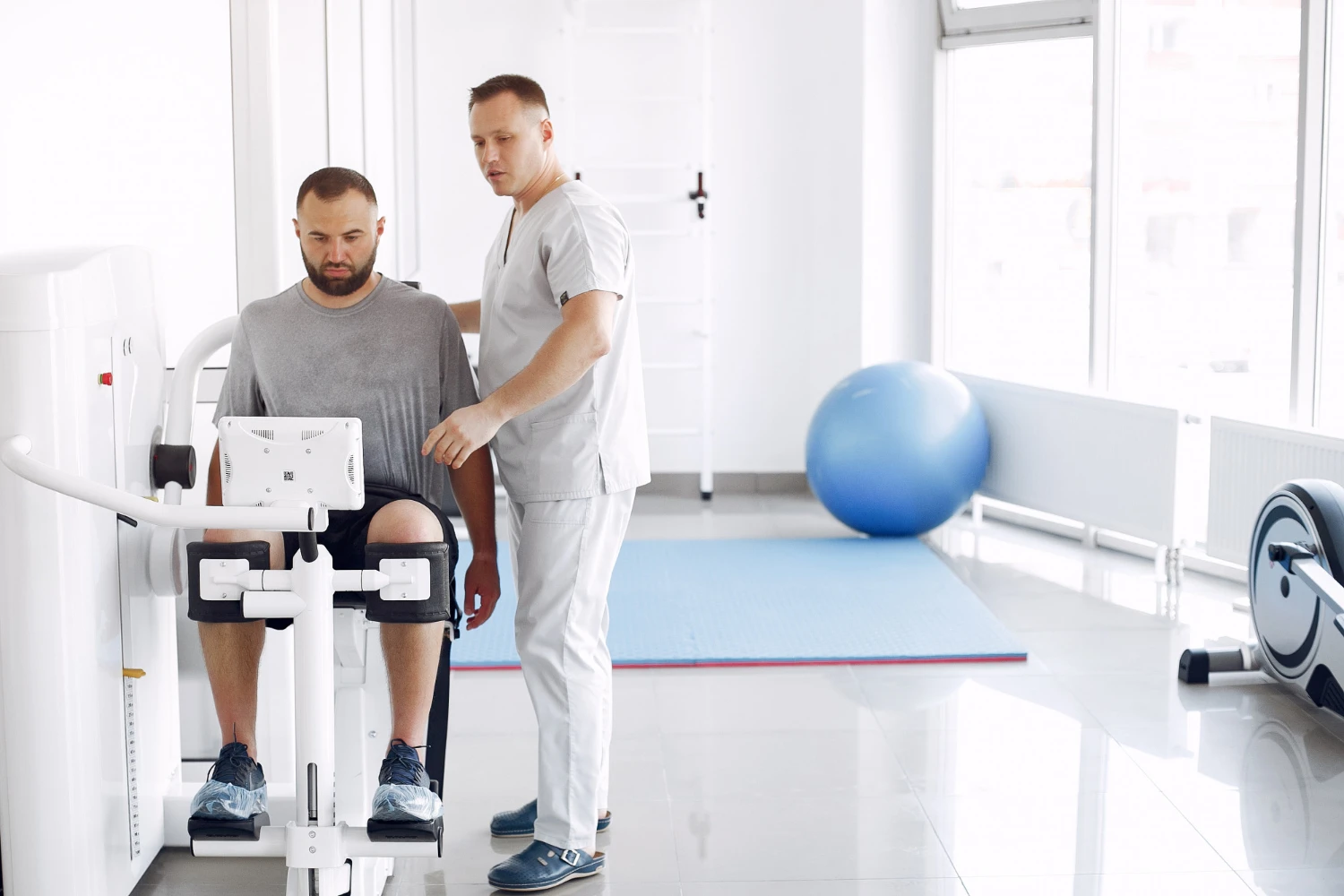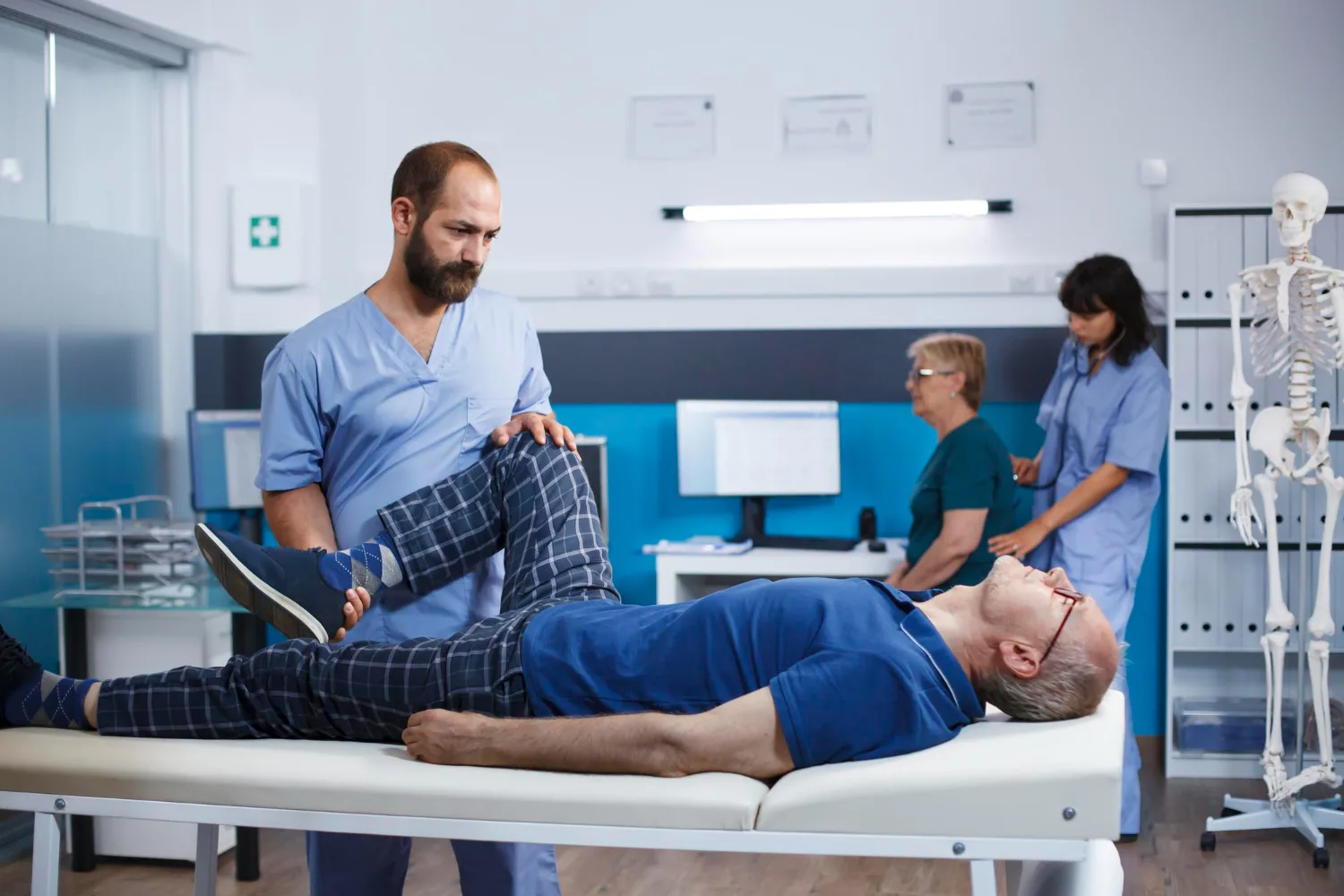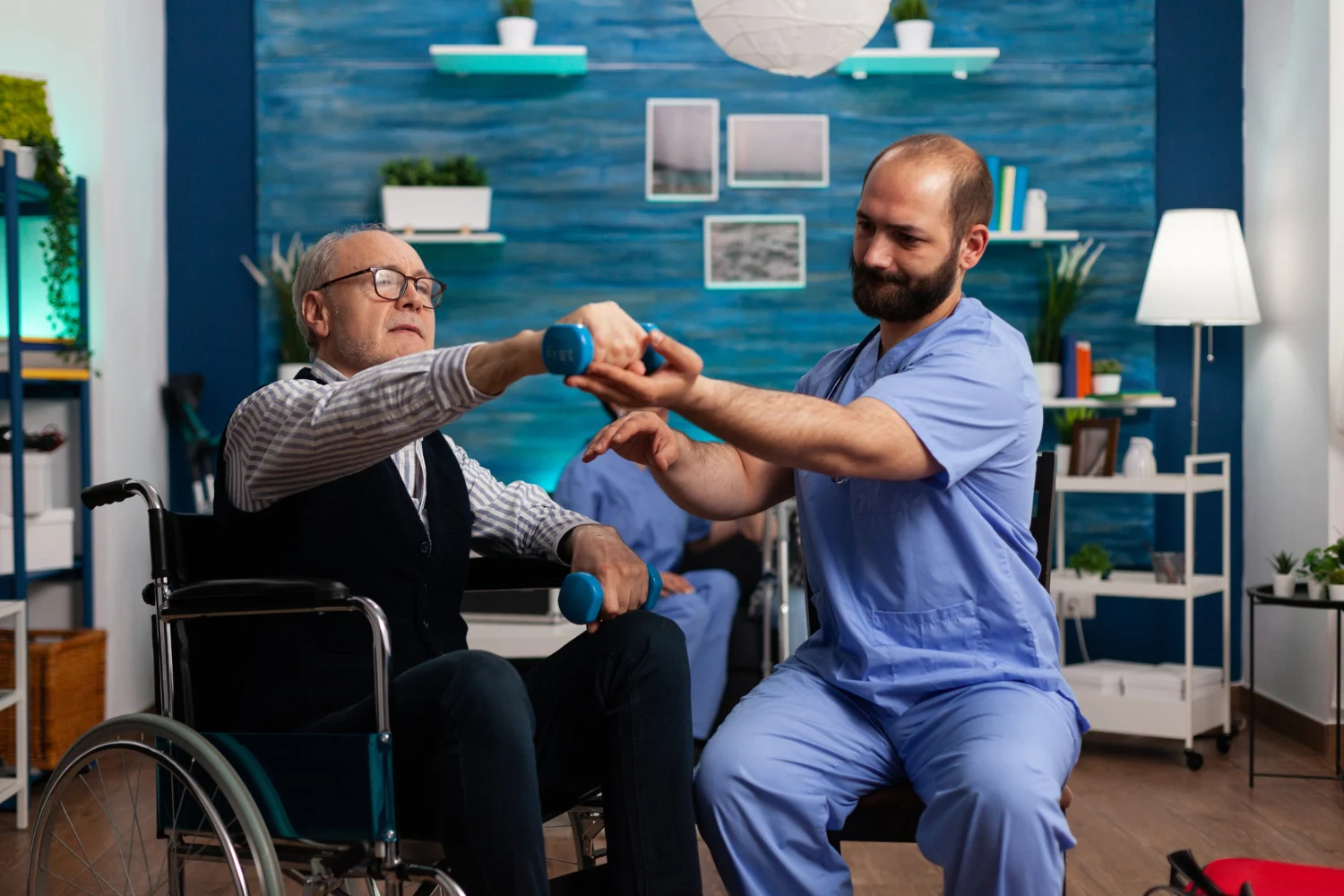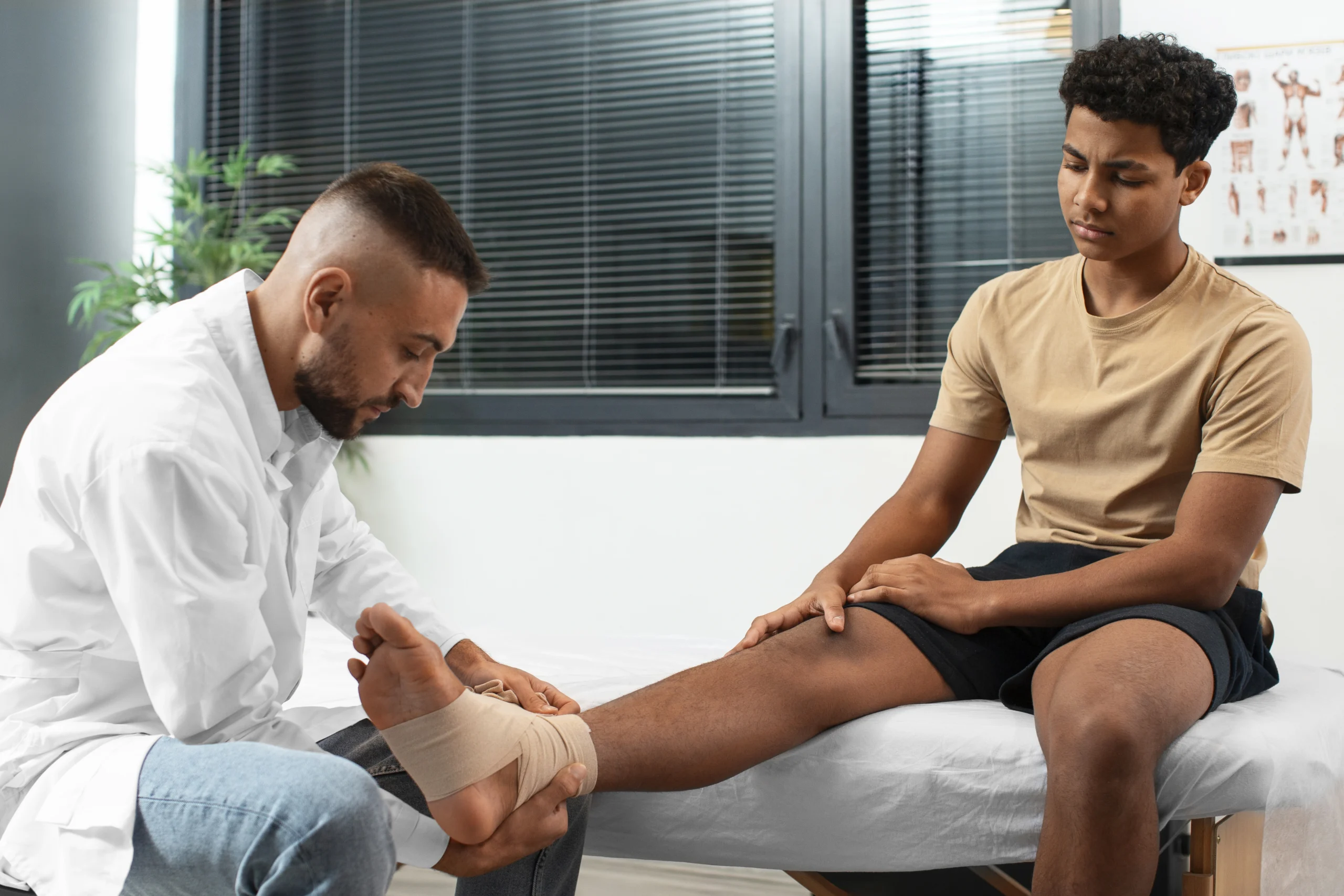
Sports Injury Physiotherapy: Recovery, Prevention, and Performance Enhancement

In the fast-paced world of sports, injuries are inevitable. From professional athletes to weekend fitness enthusiasts, muscle strains, sprains, ligament tears, and joint injuries can affect anyone. What truly matters is how you recover and prevent re-injury—and that’s where sports injury physiotherapy plays a crucial role.

At Movementon Physio Dubai, we specialize in comprehensive sports injury management that not only helps you recover but also enhances your overall performance. This blog dives deep into how physiotherapy supports athletes in every phase—from recovery to prevention and performance optimization.

1. Understanding Sports Injuries

A sports injury can occur due to overuse, poor technique, accidents, or inadequate warm-ups. Common types include:

  • Muscle Strain: Overstretching or tearing of muscle fibers.
  • Ligament Sprain: Tearing of connective tissue around joints.
  • Tendinitis: Inflammation of a tendon due to repetitive strain.
  • Fractures or Dislocations: Often caused by high-impact sports.
  • Runner’s Knee / Tennis Elbow: Chronic overuse conditions.

These injuries can sideline athletes for weeks or months, impacting both physical performance and mental confidence. Physiotherapy ensures a structured approach to speed up healing and reduce downtime.

2. The Role of Physiotherapy in Sports Injury Recovery

Physiotherapy helps in restoring movement, reducing pain, rebuilding strength, and preventing future injuries. A sports physiotherapist doesn’t just focus on the injured area—they evaluate the entire kinetic chain to correct the root cause.

Key Roles of Physiotherapy:

  • Pain Management: Using electrotherapy, manual therapy, and ultrasound.
  • Inflammation Control: Applying cold therapy and soft tissue mobilization.
  • Tissue Healing Support: Enhancing blood circulation and cellular repair.
  • Mobility Restoration: Regaining full range of motion safely.
  • Functional Training: Preparing the athlete for a safe return to sport.

Each treatment plan is personalized according to the sport, injury type, and fitness level of the patient.

3. Common Sports Injuries Treated with Physiotherapy

a. Ankle Sprains

One of the most common sports injuries, an ankle sprain affects balance and stability.

Treatment: Joint mobilization, proprioception exercises, taping, and strengthening drills.

b. ACL & Knee Injuries

Common in football, basketball, and running, ACL tears require long-term rehabilitation.

Treatment: Strengthening quadriceps and hamstrings, gait retraining, and neuromuscular control exercises.

c. Shoulder Injuries

Rotator cuff strains and dislocations often affect swimmers, tennis players, and weightlifters.

Treatment: Manual therapy, scapular stabilization, and resistance band exercises.

d. Tennis Elbow / Golfer’s Elbow

Overuse of forearm muscles causes pain around the elbow joint.

Treatment: Ultrasound therapy, eccentric loading, and ergonomic correction.

e. Back & Hip Injuries

Improper lifting or twisting can strain the spine or pelvic muscles.

Treatment: Core strengthening, spinal mobilization, and posture retraining.

4. The Phases of Sports Injury Rehabilitation

Physiotherapy rehabilitation follows a structured, evidence-based approach:

Phase 1: Acute Phase (First Few Days)

  • Goal: Control pain and inflammation.
  • Techniques: Ice therapy, electrotherapy, compression, and gentle movement.

Phase 2: Subacute Phase (1–3 Weeks)

  • Goal: Regain mobility and reduce stiffness.
  • Techniques: Manual therapy, soft tissue release, and stretching exercises.

Phase 3: Strengthening Phase (3–6 Weeks)

  • Goal: Rebuild muscle strength and endurance.
  • Techniques: Resistance bands, weight-bearing training, and stability drills.

Phase 4: Functional Training Phase (6+ Weeks)

  • Goal: Prepare for sport-specific activities.
  • Techniques: Agility training, plyometrics, and movement retraining.

Phase 5: Return-to-Play Phase

  • Goal: Safely return to full athletic performance.
  • Techniques: Sport simulation drills, coordination enhancement, and load management.

5. Advanced Physiotherapy Techniques for Sports Injuries

  • Manual Therapy: Relieves stiffness and restores joint motion.
  • Dry Needling: Targets trigger points to release muscle tension.
  • Ultrasound Therapy: Promotes soft tissue healing.
  • Kinesio Taping: Supports muscles and reduces strain during recovery.
  • Cryotherapy / Heat Therapy: Manages inflammation and muscle soreness.
  • Electrotherapy (TENS, IFT): Reduces pain and activates muscles.
  • Shockwave Therapy: Breaks down scar tissue and stimulates healing.

These techniques are combined strategically to maximize recovery time and performance.

6. The Importance of Prehabilitation

While injury recovery is crucial, injury prevention is equally important. Prehabilitation (or “prehab”) is a proactive physiotherapy approach that strengthens weak muscles and improves flexibility, helping athletes reduce the risk of future injuries.

Benefits of Prehab:

  • Improves joint stability
  • Enhances balance and coordination
  • Identifies biomechanical imbalances
  • Builds muscular endurance
  • Boosts confidence before training or competition

At Movementon Physio, prehab programs are customized for each sport — whether you’re a runner, footballer, swimmer, or gym athlete.

7. Enhancing Performance Through Physiotherapy

Physiotherapy isn’t just about healing—it’s also about performance optimization. Once athletes recover from an injury, physiotherapists help them reach peak physical potential through specialized strength and movement training.

Performance Enhancement Focuses On:

  • Improved agility and flexibility
  • Optimized movement mechanics
  • Better postural alignment
  • Injury-resilient muscle conditioning
  • Enhanced muscle memory and coordination

Physiotherapists use tools like motion analysis and strength testing to fine-tune performance efficiency.

8. Mental and Emotional Benefits of Physiotherapy for Athletes

Injuries can be mentally draining, often causing frustration, anxiety, or fear of re-injury. Physiotherapy provides psychological reassurance through structured progress and achievable goals.

Emotional Benefits Include:

  • Boosted confidence
  • Reduced anxiety before returning to play
  • Motivation through visible improvement
  • Renewed focus on long-term athletic growth

The Movementon Physio team emphasizes both mental and physical recovery, ensuring a holistic approach to rehabilitation.

9. The Role of Nutrition and Rest in Recovery

Physiotherapy works best when paired with a healthy lifestyle. Post-injury recovery is accelerated by proper nutrition, hydration, and rest.

Key Recommendations:

  • Protein-rich foods: Repair muscle fibers.
  • Omega-3 fatty acids: Reduce inflammation.
  • Vitamin D & Calcium: Strengthen bones.
  • Adequate sleep: Promotes tissue regeneration.

Movementon therapists guide athletes on comprehensive recovery strategies that include dietary and lifestyle adjustments.

10. Why Choose Movementon Physio Dubai for Sports Injury Rehabilitation

At Movementon Physio, we believe in a results-driven, athlete-first approach. Our clinic combines world-class physiotherapists, modern technology, and personalized care to deliver the fastest, safest, and most effective recovery.

Why Athletes Trust Us:

  • Experienced sports physiotherapists
  • State-of-the-art modalities (Ultrasound, IFT, Shockwave)
  • Personalized recovery plans
  • Functional movement and performance training
  • Focus on long-term injury prevention

Whether you’re a professional athlete or a weekend warrior, we help you recover, rebuild, and return stronger.

Conclusion

Sports injury physiotherapy is more than a treatment—it’s a complete recovery system designed to help athletes heal, perform, and excel. Through advanced techniques, guided exercises, and injury prevention programs, physiotherapy ensures you come back stronger than before.

At Movementon Physio Dubai, we empower athletes to take charge of their health, overcome challenges, and unlock their full potential. With expert guidance and personalized care, recovery becomes not just possible—but powerful.

Ready to Get Back in the Game?
Book your sports injury physiotherapy session in Dubai today at Movementon Physio and experience faster recovery with lasting results.


How Physiotherapy Helps in Post-Surgery Recovery: A Complete Guide

Recovering from surgery is a delicate process that requires time, patience, and proper rehabilitation. While medications and rest play a vital role, physiotherapy often becomes the cornerstone of a successful recovery journey. It helps patients regain strength, mobility, and confidence—restoring their ability to perform daily activities without pain or stiffness.

Whether you’ve undergone joint replacement, ligament repair, spine surgery, or any orthopedic or soft-tissue operation, physiotherapy bridges the gap between hospital discharge and full recovery. Let’s explore how it works, its benefits, and why Movementon Physio Dubai is among the top choices for post-surgical rehabilitation.

1. Why Post-Surgery Physiotherapy is Essential

After surgery, the body undergoes inflammation, swelling, and stiffness. Muscles become weak due to inactivity, and scar tissue can restrict joint movement. Physiotherapy ensures that you heal correctly, safely, and efficiently through guided exercises and specialized treatments.

Key reasons why physiotherapy is vital post-surgery:

  • Prevents muscle stiffness and joint immobility
  • Reduces swelling and inflammation
  • Promotes faster tissue healing
  • Improves blood circulation
  • Restores balance and coordination
  • Builds confidence in movement

Without physiotherapy, recovery may take longer and result in chronic pain or limited mobility.

2. The Phases of Post-Surgical Rehabilitation

Each surgery requires a different recovery approach, but generally, post-operative physiotherapy is divided into three phases:

Phase 1: Early Recovery (1–3 Weeks Post-Surgery)

Focus: Pain management, swelling reduction, and gentle movement.
Techniques used:

  • Ice therapy or cryotherapy
  • Gentle passive range-of-motion exercises
  • Electrotherapy (TENS, IFT) for pain control
  • Breathing exercises (especially after chest or abdominal surgery)

Phase 2: Strength & Mobility Restoration (3–6 Weeks)

Focus: Improving strength and flexibility.
Techniques used:

  • Active movement exercises
  • Strength training with resistance bands
  • Balance and coordination drills
  • Manual therapy to reduce stiffness

Phase 3: Return to Normal Function (6–12 Weeks)

Focus: Returning to daily life and preventing re-injury.
Techniques used:

  • Functional movement retraining
  • Gait and posture correction
  • Endurance and stability exercises

At Movementon Physio Dubai, therapists personalize these phases based on your specific surgery, age, and fitness level.

3. Common Surgeries That Require Physiotherapy

Joint Replacement Surgery (Knee or Hip)

Physiotherapy helps strengthen the muscles around the new joint, improve flexibility, and restore normal walking patterns.

Spinal Surgery

Post-spine rehabilitation focuses on posture correction, pain management, and spinal stabilization to prevent recurrence.

ACL or Ligament Repair

After ligament reconstruction, physiotherapy restores knee stability, strength, and mobility to help athletes return to their sport safely.

Shoulder or Rotator Cuff Surgery

Shoulder physiotherapy reduces stiffness, improves rotation, and enhances arm strength for normal daily use.

Fracture Fixation or Orthopedic Surgeries

Rehab ensures that muscles and joints regain function without overloading the healing bone.

4. Key Physiotherapy Techniques Used in Post-Surgical Recovery

Modern physiotherapy combines manual skills with advanced technology to accelerate healing. Common methods include:

  • Manual Therapy: Gentle joint mobilizations and soft tissue massage to reduce tightness.
  • Electrotherapy (TENS/IFT): Relieves pain and stimulates muscle activation.
  • Ultrasound Therapy: Improves tissue healing and reduces inflammation.
  • Cryotherapy & Heat Therapy: Controls swelling and promotes blood circulation.
  • Therapeutic Exercises: Strengthens muscles and enhances flexibility.
  • Hydrotherapy: Water-based exercises for gentle joint movement with less strain.

5. Benefits of Physiotherapy After Surgery

  • Faster Healing: Promotes cellular repair and blood flow.
  • Pain Control: Reduces the need for heavy painkillers.
  • Better Mobility: Restores normal joint range of motion.
  • Reduced Swelling: Decreases fluid buildup and inflammation.
  • Improved Strength: Rebuilds weakened muscles safely.
  • Prevents Complications: Reduces risk of deep vein thrombosis or stiffness.
  • Boosts Confidence: Helps patients regain independence in daily life.

6. The Role of a Physiotherapist in Post-Surgical Care

A professional physiotherapist evaluates your condition, surgery type, and healing capacity. They design a personalized recovery program that aligns with your medical report and surgeon’s recommendations.

They track progress through:

  • Mobility assessments
  • Pain and swelling monitoring
  • Exercise modifications
  • Gradual increase in activity intensity

The goal is to help you return to your normal lifestyle safely and confidently.

7. How Long Does Post-Surgery Physiotherapy Take?

The recovery timeline depends on the type of surgery and your body’s healing ability. Generally:

  • Minor surgeries → 2–4 weeks
  • Orthopedic surgeries → 6–12 weeks
  • Major joint replacements → 3–6 months

At Movementon Physio Dubai, therapists monitor your progress closely and adjust exercises as you regain strength and flexibility.

8. Home Exercise Program After Surgery

Physiotherapists often recommend a home exercise plan once your clinic sessions are over. These exercises help maintain flexibility and strength between appointments.

Examples:

  • Heel slides and leg raises for knee surgery
  • Shoulder pendulum swings for shoulder repair
  • Core strengthening post-abdominal surgery

Consistency is key—regular practice prevents stiffness and ensures long-term recovery.

9. Nutrition and Lifestyle Tips During Post-Surgical Rehab

To maximize recovery, complement physiotherapy with healthy habits:

  • Eat protein-rich foods for tissue repair
  • Stay hydrated for proper circulation
  • Get adequate sleep to promote healing
  • Avoid smoking or alcohol which can slow recovery
  • Follow your therapist’s advice strictly

A combination of good nutrition and regular therapy yields faster results.

10. Why Choose Movementon Physio for Post-Surgery Rehabilitation in Dubai

At Movementon Physio, every patient receives one-on-one attention, ensuring safe and customized care.

What Makes Us Different:

  • Certified and experienced physiotherapists
  • Personalized recovery plans for every surgery type
  • Advanced technologies (Ultrasound, IFT, Laser, Manual Therapy)
  • Focus on long-term mobility and pain-free movement
  • Comfortable clinic environment in Dubai

Our team doesn’t just focus on healing—we help you rebuild strength, confidence, and quality of life.

Conclusion

Physiotherapy is not just an optional step after surgery—it’s an essential part of your healing process. It restores your body’s function, relieves pain, and ensures your surgical results last for the long term.

Whether it’s a knee replacement, spine surgery, or ligament repair, the right rehabilitation can make all the difference. At Movementon Physio Dubai, our expert team ensures that every step of your recovery is safe, effective, and personalized to your needs.

Ready to Start Your Post-Surgery Physiotherapy?
Book your appointment today with Movementon Physio Dubai and take the first confident step toward full recovery.

Top 10 Benefits of Physiotherapy for Chronic Pain Management in Dubai

Introduction: Living with Pain Doesn’t Have to Be Permanent

Chronic pain can take over your life — affecting your work, sleep, mobility, and emotional well-being. Whether it’s back pain, arthritis, neck stiffness, or post-surgery discomfort, living with long-term pain can make even simple daily tasks feel exhausting.

But here’s the good news: physiotherapy offers a natural, science-backed, and long-lasting solution for managing chronic pain — without depending on painkillers or surgery.

At Movement On Physio Dubai, our team of certified physiotherapists helps patients regain control of their lives through personalized pain management programs. Using advanced tools like manual therapy, dry needling, shockwave therapy, electrotherapy, and exercise rehabilitation, we help you move freely again.

Let’s explore the top 10 benefits of physiotherapy for chronic pain management, and why it’s one of the most trusted healing methods in Dubai today.

1. Addresses the Root Cause of Pain — Not Just the Symptoms

Most medications temporarily reduce pain signals, but they don’t solve the real issue. Physiotherapy goes deeper by identifying the underlying cause — whether it’s poor posture, muscle imbalance, joint stiffness, or nerve compression.

At Movement On Physio, we use detailed assessments, posture analysis, and muscle testing to find the actual source of pain. Then we create a personalized plan to fix it from the inside out.

Key Benefits:

  • Long-term relief instead of temporary fixes
  • Prevents recurrence of pain
  • Strengthens weak muscles and joints

Best For: Chronic back pain, sciatica, and repetitive strain injuries.

2. Reduces Dependence on Painkillers

Constantly relying on painkillers can harm your liver, kidneys, and digestive system. Physiotherapy offers a natural alternative that helps you reduce or eliminate medication use over time.

By combining manual therapy, exercise, and electrotherapy, physiotherapists at Movement On Physio Dubai target pain at the muscular and neurological level — making your body stronger and more resilient naturally.

Key Benefits:

  • Drug-free pain management
  • No side effects
  • Improved energy and focus

Best For: Chronic joint pain, migraines, fibromyalgia, and postural pain.

3. Improves Flexibility and Mobility

Chronic pain often leads to stiffness and reduced movement. Through targeted stretching, mobilization, and movement retraining, physiotherapy helps restore flexibility and joint function.

Our therapists design custom mobility routines that loosen tight muscles, improve range of motion, and help patients move pain-free again.

Key Benefits:

  • Enhances muscle elasticity
  • Improves posture and coordination
  • Makes daily movements easier

Best For: Frozen shoulder, arthritis, neck and lower back stiffness.

4. Strengthens Muscles and Supports Joints

Weak muscles increase pressure on joints, which worsens pain. Physiotherapy includes strength training exercises designed to stabilize joints and prevent re-injury.

At Movement On Physio, we use functional training, resistance bands, and rehab tools to gradually rebuild strength and improve endurance.

Key Benefits:

  • Reduces joint strain
  • Improves overall body stability
  • Prevents future injuries

Best For: Knee pain, hip pain, and post-surgery rehabilitation.

5. Enhances Blood Circulation and Healing

Chronic pain is often linked with poor blood circulation and inflammation. Physiotherapy techniques like ultrasound therapy, dry needling, and shockwave therapy improve circulation and stimulate tissue repair.

These treatments deliver oxygen and nutrients to injured areas, promoting faster healing and reducing chronic inflammation naturally.

Key Benefits:

  • Faster tissue regeneration
  • Reduces swelling and stiffness
  • Promotes long-term healing

Best For: Tendonitis, muscle tears, and repetitive stress injuries.

6. Restores Posture and Balance

Many chronic pain issues stem from poor posture and muscle imbalance, especially in people who work long hours at desks or on screens.

Physiotherapists at Movement On Physio assess your posture and provide ergonomic corrections, stretching plans, and postural retraining exercises.

Key Benefits:

  • Corrects spinal alignment
  • Reduces pressure on neck, shoulders, and back
  • Prevents chronic strain injuries

Best For: Office workers, students, and people with desk jobs.

7. Prevents Future Injuries and Pain Relapse

Chronic pain often returns if the root issue isn’t fixed. Physiotherapy teaches patients how to move, stretch, and lift correctly, reducing the risk of relapse.

At Movement On Physio, we create home exercise programs and educate patients on injury prevention techniques, ensuring long-term health.

Key Benefits:

  • Builds body awareness
  • Strengthens weak areas
  • Promotes lifelong joint health

Best For: Sports players, athletes, and post-recovery patients.

8. Boosts Mental Health and Reduces Stress

Pain affects more than your body — it affects your mood, sleep, and emotional health. Physiotherapy reduces stress hormones and increases endorphins, your body’s natural painkillers.

Regular physiotherapy also improves sleep quality and reduces anxiety related to chronic pain, helping you feel calmer and more confident in your recovery journey.

Key Benefits:

  • Reduces stress and depression
  • Improves mental clarity and focus
  • Enhances overall well-being

Best For: Chronic fatigue, fibromyalgia, and post-injury anxiety.

9. Aids in Post-Surgical Rehabilitation

After surgery, physiotherapy is crucial to restore mobility, rebuild strength, and prevent scar tissue. Whether it’s knee replacement, spinal surgery, or fracture repair — guided rehabilitation helps ensure a smooth recovery.

At Movement On Physio, our experts use a combination of manual therapy, exercise rehab, and electrotherapy to ensure safe, gradual healing.

Key Benefits:

  • Speeds up recovery
  • Prevents post-surgical stiffness
  • Improves mobility and strength

Best For: ACL reconstruction, hip/knee replacement, shoulder surgery recovery.

10. Personalized Care for Every Condition

Every pain condition is unique — and physiotherapy is never “one-size-fits-all.” At Movement On Physio Dubai, each treatment plan is tailored to your body, pain history, and goals.

From first consultation to recovery, our physiotherapists provide personalized attention, progress tracking, and lifestyle guidance to ensure the best results.

Key Benefits:

  • Customized, evidence-based approach
  • 1-on-1 patient focus
  • Long-lasting improvement

Best For: Chronic pain sufferers seeking non-surgical healing.

Frequently Asked Questions (FAQs)

1. How long does physiotherapy take to reduce chronic pain?

Most patients notice improvement within 4–8 sessions, depending on the severity and duration of their pain.

2. Is physiotherapy safe for elderly patients?

Yes. Physiotherapy is gentle, non-invasive, and safe for all ages — including seniors with arthritis or joint pain.

3. Can physiotherapy cure chronic pain permanently?

Physiotherapy focuses on long-term pain management by addressing root causes and preventing relapse — offering lasting relief when followed consistently.

4. How often should I visit a physiotherapist?

Typically, 2–3 sessions per week are recommended initially, followed by maintenance visits based on your progress.

5. What makes Movement On Physio different?

We combine modern technology with manual expertise, providing personalized, science-driven physiotherapy in a comfortable Dubai clinic setting.

Affordable Physiotherapy Packages at Movement On Physio Dubai

  • Pain Relief Starter Plan (3 Sessions) – Ideal for mild chronic pain
  • Chronic Pain Management Plan (6 Sessions) – For recurring pain conditions
  • Advanced Rehab Program (10 Sessions) – For post-surgical or long-term pain recovery

All sessions are customized and supervised by experienced physiotherapists to ensure measurable results.

Why Choose Movement On Physio for Chronic Pain Treatment in Dubai

  • Highly Qualified & Licensed Physiotherapists
  • Advanced Equipment & Modern Techniques
  • 1-on-1 Personalized Sessions
  • Central Dubai Location
  • Affordable & Insurance-Approved Packages

Our mission is to help every patient in Dubai live pain-free, active, and confident — naturally.

Top 10 Physiotherapy Treatments for Pain Relief in Dubai (2025 Guide)

Introduction: The Modern Way to Relieve Pain Naturally

In today’s busy world, pain has become a part of everyday life — from neck stiffness and back pain to knee injuries and muscle tension. Many people in Dubai deal with chronic pain caused by long working hours, poor posture, or sports-related strain.

Modern physiotherapy treatments can help you recover naturally — without surgery or long-term medication. Physiotherapy focuses on restoring movement, strengthening muscles, and reducing pain at its root cause.

At Movement On Physio Dubai, our experienced physiotherapists use advanced, research-based techniques to help you get back to a pain-free lifestyle. Whether you’re struggling with back pain, knee injuries, or post-surgical stiffness — we have the right treatment for you.

Let’s explore the top 10 physiotherapy treatments for pain relief in Dubai that truly work.

1. Manual Therapy

Manual therapy is one of the most widely used physiotherapy techniques for pain relief and mobility restoration. Our therapists use hands-on techniques like joint mobilization, muscle manipulation, and soft tissue release to reduce stiffness, improve flexibility, and enhance blood circulation.

Benefits:

  • Instant relief from muscle tightness
  • Improves joint motion and flexibility
  • Reduces inflammation naturally

Best For: Back pain, neck stiffness, frozen shoulder, postural pain, and joint dysfunctions.

2. Electrotherapy (IFT / TENS)

Electrotherapy involves using gentle electrical impulses to stimulate nerves and muscles. This technique reduces pain signals sent to the brain and enhances blood circulation to the injured area. At Movement On Physio, we use Interferential Therapy (IFT) and Transcutaneous Electrical Nerve Stimulation (TENS) machines for pain management and faster healing.

Benefits:

  • Reduces chronic and acute pain
  • Decreases swelling and muscle spasms
  • Promotes natural healing

Best For: Joint inflammation, muscle spasms, arthritis pain, and post-injury recovery.

3. Ultrasound Therapy

Ultrasound therapy is a non-invasive physiotherapy treatment that uses sound waves to promote deep tissue healing. It helps improve blood flow, reduce inflammation, and enhance cell repair in affected areas.

Benefits:

  • Stimulates tissue regeneration
  • Reduces pain and swelling
  • Speeds up recovery after injury

Best For: Lower back pain, ligament injuries, and tendonitis.

4. Dry Needling Therapy

Dry needling targets muscular trigger points that cause pain and stiffness. Fine, sterile needles are inserted into tight muscles to release tension and restore movement. Unlike acupuncture, dry needling is based on modern anatomical science and focuses on muscle relaxation and pain relief.

Benefits:

  • Provides instant pain relief
  • Improves flexibility and motion
  • Releases chronic muscle knots

Best For: Neck and shoulder pain, sciatica, migraines, and chronic back pain.

5. Shockwave Therapy

Shockwave therapy is an advanced treatment that uses sound waves to break down scar tissue and stimulate healing. It’s one of the best physiotherapy treatments in Dubai for chronic pain. We use FDA-approved shockwave machines to target tendons, ligaments, and deep muscles for long-lasting results.

Benefits:

  • Accelerates healing of chronic injuries
  • Enhances blood flow and cell growth
  • Reduces dependence on painkillers

Best For: Plantar fasciitis, tennis elbow, frozen shoulder, and long-term muscle stiffness.

6. Exercise Therapy

Exercise therapy is the foundation of long-term pain relief. Our physiotherapists design customized exercise programs based on your pain condition, muscle strength, and movement goals.

Benefits:

  • Builds strength and flexibility
  • Prevents future injuries
  • Improves balance and mobility

Best For: Back pain, post-surgery recovery, knee pain, and overall fitness improvement.

7. Heat & Cold Therapy

Heat and cold applications are simple yet effective physiotherapy techniques to reduce inflammation, relax muscles, and ease pain. We use moist heat therapy for stiff muscles and cold compresses for swelling or acute pain conditions.

Benefits:

  • Reduces swelling and inflammation
  • Relaxes muscles and joints
  • Promotes faster recovery

Best For: Arthritis, joint inflammation, muscle soreness, and sports injuries.

8. Postural Correction Training

Poor posture is one of the main causes of chronic pain. Whether you spend hours at a desk or on your phone, posture imbalance can cause long-term muscle tension. Our therapists perform postural analysis and corrective exercises to realign your spine and restore body balance.

Benefits:

  • Corrects spinal alignment
  • Reduces back and neck pain
  • Prevents long-term damage

Best For: Office workers, students, and anyone experiencing postural discomfort.

9. Kinesio Taping Therapy

Kinesio taping involves applying flexible, medical-grade tape on muscles and joints to provide support without restricting movement. It reduces pain, swelling, and strain during physical activities.

Benefits:

  • Provides support during recovery
  • Improves joint stability
  • Enhances blood and lymph circulation

Best For: Sports injuries, ligament strains, and post-rehabilitation muscle support.

10. Rehabilitation & Strengthening Programs

After injury or surgery, proper rehabilitation is crucial for full recovery. Our expert team develops structured rehab programs that combine strengthening, balance, and coordination exercises.

Benefits:

  • Restores functional movement
  • Strengthens weak muscles
  • Prevents future injuries

Best For: ACL recovery, post-fracture rehab, joint replacement recovery, and muscle injuries.

FAQs – Physiotherapy Treatments for Pain Relief in Dubai

1. How many physiotherapy sessions do I need?

Most patients see visible improvement within 4–8 sessions, depending on the condition.

2. Is physiotherapy safe for everyone?

Yes, physiotherapy is completely safe and tailored to your needs by licensed professionals.

3. What is the cost of physiotherapy sessions in Dubai?

At Movement On Physio, prices start from AED 150 per session, with customized packages for longer treatments.

4. Can physiotherapy replace surgery?

In many cases, physiotherapy can significantly reduce pain and improve mobility, helping patients avoid surgery.

5. Does insurance cover physiotherapy in Dubai?

Many insurance providers cover physiotherapy sessions. Our clinic helps patients with insurance approvals and documentation.

Physiotherapy Packages in Dubai

  • Pain Relief Starter Package (3 sessions)
  • Chronic Pain Recovery Plan (6 sessions)
  • Post-Surgical Rehab Program (10 sessions)

Each plan is tailored to your specific condition and supervised by our certified physiotherapists.

Why Choose Movement On Physio Dubai

  • Licensed & Experienced Physiotherapists
  • Advanced Equipment & Modern Techniques
  • Personalized 1-on-1 Treatment
  • Central Dubai Location & Easy Access
  • Affordable, Insurance-Compatible Plans

We are proud to be among the top physiotherapy clinics in Dubai for patients seeking reliable pain relief and functional recovery.

Best Physiotherapy for Back Pain in Dubai (2025 Guide)

Introduction: Back Pain — Dubai’s Most Common Health Challenge

Back pain is one of the most widespread health problems affecting millions of people in Dubai today — from young professionals working long hours at desks to athletes, homemakers, and senior citizens. Sedentary lifestyles, prolonged sitting, poor posture, and high-stress work environments all contribute to the rising number of back and neck pain cases across the UAE.

Fortunately, with advancements in modern physiotherapy, it’s now possible to recover from back pain naturally — without relying on heavy painkillers or surgery. Physiotherapy focuses on the root cause of the pain, helping patients regain movement, flexibility, and strength safely and effectively.

At Movement On Physio, one of the best physiotherapy clinics in Dubai, we specialize in personalized treatments for back and spinal pain — blending advanced technology with manual therapy for long-lasting results.

This 2025 guide will walk you through the top physiotherapy treatments for back pain in Dubai, why physiotherapy is so effective, and how Movement On Physio helps patients reclaim a pain-free life.

Why Physiotherapy is the Best Solution for Back Pain

Before we explore specific treatments, it’s important to understand why physiotherapy stands out as the most effective approach to managing and eliminating back pain.

Here’s what makes physiotherapy unique:

  • Non-surgical & drug-free: Physiotherapy heals naturally without harmful medications.
  • Targets the root cause: It corrects posture, muscular imbalances, and movement dysfunctions.
  • Personalized care: Every treatment plan is designed according to the patient’s pain level, age, and condition.
  • Restores movement: It helps patients return to normal activities, work, or sports safely.
  • Prevents recurrence: Physiotherapists educate patients on body mechanics and strengthening to avoid future pain.

Common Causes of Back Pain in Dubai

Dubai’s modern lifestyle is a mix of comfort and stress. Long hours of sitting, frequent travel, and demanding work schedules often lead to muscular strain and spinal stiffness. The most common causes include:

  • Poor posture at work (especially desk jobs)
  • Muscle strain from sudden lifting or twisting
  • Sedentary lifestyle with minimal movement
  • Herniated or slipped disc
  • Scoliosis or spinal misalignment
  • Sciatica nerve compression
  • Weak core and back muscles
  • Chronic stress leading to muscle tightness

Top 10 Physiotherapy Treatments for Back Pain in Dubai (2025)

At Movement On Physio, we use evidence-based physiotherapy techniques combined with modern technologies to ensure long-term recovery. Below are the 10 most effective treatments for back pain in Dubai that deliver real, lasting results.

1. Manual Therapy – Hands-on Healing for the Spine

Manual therapy includes soft tissue mobilization, joint manipulation, and trigger point release techniques performed by our expert physiotherapists. It improves joint movement, reduces stiffness, and relieves deep-seated muscle tension that commonly causes chronic back pain.

Benefits:

  • Immediate pain reduction
  • Enhanced spinal mobility
  • Improved posture and flexibility

2. Dry Needling Therapy

Dry needling involves inserting very thin, sterile needles into specific muscle trigger points to release tightness and improve blood circulation. It’s safe, precise, and effective for chronic and postural back pain.

Benefits:

  • Reduces muscle tension
  • Improves blood flow and healing
  • Provides instant pain relief

3. Electrotherapy (IFT / TENS)

Interferential Therapy (IFT) and Transcutaneous Electrical Nerve Stimulation (TENS) are modern physiotherapy modalities that use gentle electrical impulses to reduce pain and inflammation. IFT stimulates deep tissues and nerves, while TENS blocks pain signals to the brain — suitable for acute or chronic back pain.

Benefits:

  • Quick pain control
  • Reduces inflammation
  • Enhances tissue repair

4. Ultrasound Therapy

Ultrasound therapy uses high-frequency sound waves to treat back pain and muscle inflammation. It penetrates deep into the tissues to promote healing, improve blood circulation, and relax tight muscles.

Benefits:

  • Accelerates healing
  • Reduces swelling
  • Improves tissue flexibility

5. Spinal Mobilization & Traction

Spinal traction therapy gently stretches the spine to relieve pressure on the vertebrae and nerves — especially useful for sciatica and disc problems. This non-surgical technique improves spinal alignment and reduces nerve compression.

Benefits:

  • Alleviates disc and nerve pain
  • Increases spinal flexibility
  • Restores normal alignment

6. Exercise Therapy & Core Strengthening

Targeted exercise therapy focuses on core stability, posture correction, and strengthening of back muscles. Each plan is personalized to the patient’s needs.

Benefits:

  • Prevents recurrence
  • Improves mobility and posture
  • Builds long-term spinal strength

7. Postural Correction & Ergonomic Training

Movement On Physio provides ergonomic assessments and postural correction training to help you sit, stand, and move correctly in your daily life.

Benefits:

  • Prevents chronic pain
  • Corrects alignment
  • Reduces fatigue and stiffness

8. Shockwave Therapy

Shockwave therapy uses high-energy sound waves to stimulate healing in chronic conditions. It helps break down scar tissue, improve blood flow, and reduce back muscle tightness.

Benefits:

  • Effective for chronic lower back pain
  • Accelerates tissue regeneration
  • Reduces muscle tension

9. Cupping Therapy

Cupping therapy improves circulation and relieves tightness in the back muscles by creating suction on the skin. It complements physiotherapy sessions by enhancing recovery and relaxation.

Benefits:

  • Relieves tension
  • Detoxifies tissues
  • Promotes deep muscle healing

10. Heat & Cold Therapy

Physiotherapists may use thermotherapy (heat) or cryotherapy (cold) to manage inflammation and promote healing. Heat increases blood flow, while cold reduces swelling and numbs acute pain.

Why Choose Movement On Physio for Back Pain Treatment in Dubai

Choosing the right physiotherapy clinic in Dubai makes a huge difference in your recovery. At Movement On Physio, we take a patient-first approach that focuses on:

  • Expert physiotherapists with years of experience
  • Customized treatment plans based on your diagnosis
  • Advanced modalities including shockwave, dry needling, and ultrasound
  • Holistic care — combining manual therapy, exercise, and education
  • Home physiotherapy options available across Dubai

How Long Does It Take to Recover from Back Pain?

Recovery time varies based on the cause and severity of pain. For mild muscle strain, improvement can be seen within 3–5 physiotherapy sessions, while chronic back pain or disc issues may take 4–8 weeks of consistent treatment and exercises.

Regular follow-ups and adherence to the physiotherapist’s advice are key for a full recovery.

Self-Care Tips to Prevent Back Pain Recurrence

  • Maintain proper posture while sitting and standing
  • Avoid prolonged sitting — take breaks every 30 minutes
  • Engage in light stretching and mobility exercises daily
  • Strengthen your core and lower back muscles
  • Use ergonomic chairs and work setups
  • Lift heavy objects carefully using knee bend, not your back
  • Stay active — walk, swim, or cycle regularly

Conclusion: Start Your Pain-Free Journey Today

Back pain doesn’t have to limit your lifestyle. Whether you’re suffering from mild stiffness or chronic lower back pain, physiotherapy offers a natural, safe, and highly effective path to recovery.

At Movement On Physio, our mission is to provide world-class back pain physiotherapy in Dubai using advanced treatments, expert care, and customized recovery programs.

Book your appointment today and take the first step toward a stronger, pain-free back.

Visit: www.movementonphysio.com

Call: +971  504240151

Location: Dubai, UAE

Top 10 Physiotherapy Treatments for Pain Relief in Dubai

At Movement On Physio Dubai

We combine traditional hands-on physiotherapy techniques with modern technology to deliver long-term relief from pain. Below are the top treatments that have proven highly effective for patients across the UAE.

1. Manual Therapy – The Foundation of Pain Relief

Manual therapy is a specialized hands-on technique used by physiotherapists to restore joint mobility, reduce stiffness, and improve muscle function. It includes soft tissue mobilization, joint manipulation, and trigger point release.

At Movement On Physio, our physiotherapists apply gentle yet effective manual techniques to relieve tension, enhance flexibility, and restore balance in your body.

Benefits:

  • Reduces joint stiffness
  • Relieves muscle tension
  • Improves range of motion
  • Enhances blood circulation

Best For:

  • Back pain
  • Neck pain
  • Shoulder stiffness
  • Frozen shoulder

2. Electrotherapy (IFT/TENS) – Pain Relief Through Electrical Stimulation

Interferential Therapy (IFT) and Transcutaneous Electrical Nerve Stimulation (TENS) are modern modalities that use electrical impulses to stimulate nerves and tissues. These impulses block pain signals and promote natural healing.

At Movement On Physio, our experts customize electrotherapy sessions depending on the patient’s pain intensity and treatment area.

Benefits:

  • Reduces inflammation and swelling
  • Stimulates nerve healing
  • Provides instant pain relief
  • Enhances tissue regeneration

Best For:

  • Chronic back pain
  • Arthritis
  • Sports injuries
  • Sciatica

3. Ultrasound Therapy – Deep Healing with Sound Waves

Ultrasound therapy uses high-frequency sound waves that penetrate deep into tissues to reduce inflammation and stimulate healing. This is a non-invasive treatment widely used in physiotherapy for pain management.

At Movement On Physio, our ultrasound therapy sessions focus on improving tissue recovery, circulation, and reducing stiffness.

Benefits:

  • Accelerates soft tissue healing
  • Improves blood flow
  • Reduces muscle spasms
  • Relieves joint pain

Best For:

  • Tendonitis
  • Back pain
  • Knee pain
  • Muscle tears

4. Dry Needling Therapy – Targeting Trigger Points

Dry needling is one of the most effective physiotherapy treatments for muscular pain. It involves inserting fine sterile needles into specific “trigger points” within tight muscles to release tension and improve movement.

At Movement On Physio, our specialists perform dry needling with precision to ensure safety, comfort, and immediate relief.

Benefits:

  • Reduces deep muscle tension
  • Improves flexibility
  • Enhances blood circulation
  • Relieves chronic pain quickly

Best For:

  • Neck pain
  • Shoulder pain
  • Back stiffness
  • Myofascial pain

5. Shockwave Therapy – Advanced Pain Management Technology

Shockwave therapy uses high-energy sound waves to stimulate healing at the cellular level. It’s one of the latest innovations in physiotherapy for chronic pain and non-healing injuries.

This treatment helps break down scar tissue, increase blood flow, and promote the regeneration of healthy tissues.

Benefits:

  • Non-invasive and drug-free
  • Effective for chronic pain
  • Promotes faster tissue repair
  • Reduces inflammation

Best For:

  • Plantar fasciitis
  • Tennis elbow
  • Frozen shoulder
  • Lower back pain

6. Exercise Therapy & Strength Training

Exercise therapy is the core of long-term physiotherapy. Our physiotherapists at Movement On Physio design personalized exercise programs focusing on strengthening, flexibility, and stability.

Each exercise plan is tailored to the patient’s pain level, recovery stage, and lifestyle.

Benefits:

  • Improves muscle balance and posture
  • Prevents recurrence of pain
  • Enhances endurance and flexibility
  • Boosts overall physical health

Best For:

  • Post-surgical recovery
  • Chronic pain
  • Arthritis
  • Sports rehab

7. Manual Traction & Spinal Decompression

Spinal traction is a gentle stretching technique that relieves pressure on the vertebrae and nerves, making it highly effective for sciatica, disc bulge, and lower back pain.

At Movement On Physio, we use both manual and mechanical traction to decompress the spine safely.

Benefits:

  • Relieves nerve compression
  • Reduces spinal pain
  • Restores spinal alignment
  • Improves mobility

Best For:

  • Herniated disc
  • Sciatica
  • Spinal stiffness
  • Posture-related pain

8. Cupping Therapy – Traditional Healing with Modern Expertise

Cupping therapy is an ancient yet effective technique used to improve blood circulation, relax muscles, and remove toxins from the body. It involves creating suction on the skin surface using specialized cups.

At Movement On Physio, cupping is integrated with physiotherapy for enhanced pain management and recovery.

Benefits:

  • Relieves chronic muscle tension
  • Promotes relaxation and healing
  • Detoxifies the body
  • Improves mobility and flexibility

Best For:

  • Back pain
  • Shoulder stiffness
  • Athletic recovery

9. Laser Therapy (LLLT)  Light-Based Pain Relief

Low-Level Laser Therapy (LLLT) is an advanced, non-invasive treatment that uses laser light to repair tissues and reduce pain. The laser energy accelerates cellular repair and reduces inflammation.

Benefits:

  • Speeds up tissue recovery
  • Reduces pain and swelling
  • Stimulates nerve regeneration
  • Safe and painless

Best For:

  • Arthritis
  • Tendon injuries
  • Post-surgery pain
  • Sports injuries

10. Heat & Cold Therapy  Simple Yet Effective Relief

Depending on the nature of your pain, physiotherapists use thermotherapy (heat) or cryotherapy (cold) to relieve inflammation and stimulate healing.

Heat therapy increases blood flow and relaxes muscles, while cold therapy reduces swelling and numbs pain.

Benefits:

  • Quick relief for acute pain
  • Reduces inflammation
  • Relaxes tight muscles
  • Improves circulation

Best For:

  • Acute injuries
  • Joint stiffness
  • Post-exercise recovery

Why Choose Movement On Physio Dubai for Pain Relief

Choosing the right physiotherapy clinic can transform your recovery journey. At Movement On Physio, we’re committed to providing patient-centered, evidence-based care that delivers real results.

Here’s What Sets Us Apart:

  • Experienced Physiotherapists: Our specialists are trained in the latest pain management techniques.
  • Advanced Equipment: We use cutting-edge modalities like shockwave, dry needling, ultrasound, and IFT.
  • Personalized Treatment Plans: Every session is tailored to your pain level and goals.
  • Comprehensive Care: From acute pain to post-surgery rehab, we cover it all.
  • Insurance Support: Assistance with physiotherapy insurance coverage in Dubai.

How Many Sessions Are Needed for Pain Relief?

The number of physiotherapy sessions varies depending on the severity and duration of pain.

  • Mild Pain: 3–5 sessions may be enough.
  • Moderate to Chronic Pain: 6–10 sessions.
  • Severe or Post-Surgical Pain: May require 12+ sessions with progressive exercises.

Consistency is key following your physiotherapist’s guidance ensures the best results.

Lifestyle Tips to Support Your Physiotherapy Results

  • Maintain good posture throughout the day.
  • Avoid sitting for long hours  take movement breaks.
  • Stretch daily to improve flexibility.
  • Stay hydrated to keep joints and muscles healthy.
  • Get adequate sleep to support recovery.
  • Use ergonomic furniture for work and driving.
  • Continue prescribed home exercises regularly.

Conclusion: Move Better, Live Pain-Free

Pain doesn’t have to define your life. With modern physiotherapy treatments, recovery is not only possible but also natural, safe, and effective.

At Movement On Physio Dubai, we combine science, technology, and personalized care to help you overcome pain and return to the activities you love. Whether it’s back pain, knee stiffness, or shoulder discomfort — we’re here to guide you every step of the way.

Book your appointment today and take the first step towards a pain-free lifestyle. Visit www.movementonphysio.com | Call us at +971  504240151

Top 10 Benefits of Physiotherapy for Chronic Pain Management

Introduction

Living with chronic pain can be exhausting — physically, mentally, and emotionally. Whether it stems from an old injury, arthritis, back pain, or post-surgical discomfort, chronic pain can limit mobility, reduce quality of life, and make even simple daily tasks difficult.

That’s where physiotherapy plays a vital role. Instead of masking pain with medication, physiotherapy treats the root cause improving mobility, restoring strength, and helping the body heal naturally.

In Dubai, where a fast-paced lifestyle often leads to posture-related issues, muscle strain, and joint stiffness, physiotherapy for chronic pain management has become one of the most sought-after treatments. Through advanced techniques, personalized exercise plans, and state-of-the-art rehabilitation methods, physiotherapists help patients regain control of their body and life.

Let’s explore the top 10 proven benefits of physiotherapy for chronic pain management — and how it can bring lasting relief, improved mobility, and a better quality of life.

1. Treats the Root Cause of Pain Not Just the Symptoms

Unlike painkillers that only provide temporary relief, physiotherapy identifies and treats the underlying source of pain.

A skilled physiotherapist assesses muscle imbalance, poor posture, joint dysfunction, and movement patterns to uncover the root cause. Once identified, a personalized treatment plan — including exercises, manual therapy, and posture correction  is created to address the cause rather than suppressing symptoms.

Example:

For chronic lower back pain, the physiotherapist strengthens the core, corrects pelvic alignment, and improves spinal mobility to provide permanent relief.

2. Reduces Dependence on Pain Medication

One of the biggest advantages of physiotherapy is that it reduces or even eliminates the need for long-term pain medication.

Painkillers may offer temporary comfort, but they often come with side effects or addiction risks. Physiotherapy, however, uses natural healing methods like manual therapy, dry needling, ultrasound therapy, and therapeutic exercises to control pain and promote recovery.

By strengthening muscles and joints, patients can manage pain more effectively  without relying on medication.

3. Improves Mobility and Flexibility

Chronic pain often restricts movement. Physiotherapy helps restore mobility and flexibility through stretching, strengthening, and mobilization techniques.

Therapists use joint mobilization, soft tissue release, and guided exercises to improve the range of motion and help patients move freely again.

Example:

A person with chronic knee pain from arthritis can regain mobility through targeted strengthening exercises and balance training.

4. Enhances Posture and Body Alignment

Poor posture is a common cause of chronic neck, shoulder, and back pain — especially for those working long hours at desks or on computers.

Physiotherapists assess postural imbalances and design correctional exercises that align the spine, strengthen weak muscles, and release tight ones. Over time, improved posture reduces strain on joints and nerves, preventing pain recurrence.

Example:

Office professionals in Dubai often benefit from posture correction physiotherapy to relieve neck stiffness and shoulder tension.

5. Speeds Up Healing After Injury or Surgery

After an injury or surgery, it’s common to experience stiffness, weakness, and chronic discomfort. Physiotherapy accelerates recovery through controlled exercises and advanced healing modalities like ultrasound, IFT (Interferential Therapy), and manual therapy.

This approach promotes blood circulation, reduces inflammation, and enhances tissue repair  ensuring faster and safer recovery.

6. Prevents Future Pain and Injuries

A major goal of physiotherapy is long-term prevention.

Physiotherapists teach proper body mechanics, posture techniques, and exercise routines that strengthen weak muscles and improve joint stability. This helps prevent future episodes of pain or injury especially for athletes, workers, and individuals prone to repetitive strain.

Example:

A physiotherapist might teach correct lifting techniques or ergonomic adjustments for those with chronic back pain.

7. Boosts Strength, Endurance, and Balance

Chronic pain often leads to reduced physical activity, muscle weakness, and imbalance. Physiotherapy incorporates strengthening and balance exercises that rebuild endurance, improve coordination, and stabilize the body.

Therapists may use resistance bands, stability balls, or balance boards to challenge muscles safely and progressively. Over time, patients experience enhanced physical strength and improved confidence in daily movements.

8. Improves Blood Circulation and Promotes Natural Healing

Physiotherapy techniques such as ultrasound therapy, soft tissue massage, and mobilization stimulate blood flow, which speeds up healing and reduces stiffness.

Better circulation brings oxygen and nutrients to the affected tissues, helping repair damaged muscles and joints naturally. This process also removes toxins and reduces swelling, promoting overall tissue health.

9. Enhances Mental Well-Being and Reduces Stress

Chronic pain doesn’t just affect the body  it impacts the mind too. Persistent discomfort can cause anxiety, stress, and even depression.

Physiotherapy provides mental relief by reducing pain and improving mobility, which boosts confidence and overall mood. Many patients also experience relaxation during treatments like electrotherapy, manual therapy, and guided breathing exercises, which help calm the nervous system.

Example:

Patients undergoing regular physiotherapy sessions often report better sleep, reduced stress, and a renewed sense of energy.

10. Offers Personalized, Long-Term Pain Management Plans

Every case of chronic pain is unique — that’s why physiotherapy provides personalized treatment plans based on each patient’s condition, age, and lifestyle.

Your physiotherapist tracks progress, modifies exercises, and adapts treatments to ensure continuous improvement and lasting relief. Whether it’s back pain, arthritis, or nerve-related pain, physiotherapy delivers a customized, long-term management strategy.

Why Physiotherapy Is the Future of Pain Management

Physiotherapy is more than just an alternative to medication — it’s a science-backed, evidence-based approach that empowers the body to heal itself. By combining movement, technology, and manual expertise, it helps you regain control, independence, and a pain-free lifestyle.

Modern physiotherapy in Dubai integrates advanced modalities such as:

  • Dry Needling Therapy
  • Electrotherapy (IFT & TENS)
  • Ultrasound Therapy
  • Manual Therapy & Myofascial Release
  • Kinesio Taping
  • Vertigo and Balance Rehabilitation

These treatments target chronic conditions like arthritis, sciatica, fibromyalgia, cervical spondylosis, and postural pain  providing complete relief and long-term health improvement.

When Should You See a Physiotherapist for Chronic Pain?

You should consider visiting a physiotherapist if you experience:

  • Pain lasting more than 3 months
  • Discomfort that limits your mobility
  • Dependence on painkillers
  • Recurring joint or muscle stiffness
  • Pain after surgery or injury

The earlier you start treatment, the faster your body can recover and adapt to pain-free movement.

Conclusion

Chronic pain can feel like a lifelong battle, but physiotherapy gives you the tools and guidance to win it. Through evidence-based techniques, expert assessment, and personalized care, physiotherapy helps you reclaim comfort, flexibility, and freedom from pain  naturally and effectively.

If you’re looking for the best physiotherapy clinic in Dubai for chronic pain management, our expert team at Movementon Physiotherapy is here to help. We combine world-class physiotherapy treatments with advanced rehabilitation methods to ensure lasting pain relief and improved mobility.

Call to Action (CTA)

Don’t let pain define your life — take the first step toward healing today.

Book your consultation with Movementon Physiotherapy in Dubai and experience personalized pain management solutions designed for you.

Visit movementonphysio.com to schedule your appointment.

Physiotherapy for Back Pain – Complete Guide to Relief and Recovery

Introduction: Back Pain – The Modern Lifestyle Problem

Back pain has become one of the most common health concerns worldwide, affecting millions of people of all ages. In Dubai, where long hours of desk jobs, sedentary lifestyles, and stressful routines are common, back pain is a leading reason people visit physiotherapy clinics.

Physiotherapy offers a non-surgical, drug-free, and long-term solution for back pain by targeting the root cause rather than just masking the symptoms. Whether you suffer from lower back pain, slipped disc, sciatica, or posture-related pain, physiotherapy can help restore mobility, reduce discomfort, and prevent future issues.

1. Common Causes of Back Pain

Understanding the cause is the first step in choosing the right treatment. Common reasons include:

  • Poor posture from sitting long hours at a desk or computer
  • Muscle strain from lifting heavy objects or sudden movement
  • Herniated disc (slipped disc) putting pressure on nerves
  • Sciatica causing sharp pain radiating down the legs
  • Spinal issues such as arthritis, spondylosis, or scoliosis
  • Weak core muscles that fail to support the spine
  • Injury or accident leading to back trauma

2. How Physiotherapy Helps in Back Pain Relief

Physiotherapy doesn’t just relieve pain — it addresses the root cause and prevents recurrence.

Pain Relief Techniques

  • Manual therapy (hands-on mobilization of joints and soft tissues)
  • Electrotherapy (ultrasound, TENS, interferential therapy)
  • Dry needling or acupuncture for muscle tightness

Strengthening & Mobility

  • Targeted exercises to strengthen the core and back muscles
  • Stretching routines to improve flexibility
  • Postural correction to reduce spinal stress

Long-Term Recovery

  • Ergonomic training for workplace and daily life
  • Home exercise plans tailored to your condition
  • Education on proper body mechanics and lifestyle changes

3. Types of Back Pain Treated by Physiotherapy

  • Lower Back Pain – The most common type, often caused by poor posture, weak muscles, or disc problems.
  • Upper Back Pain – Usually linked to poor ergonomics, computer use, or muscle tightness in the shoulders and spine.
  • Sciatica – Sharp, radiating pain down the legs due to pressure on the sciatic nerve. Physiotherapy relieves nerve compression and restores mobility.
  • Post-Surgical Back Pain – Patients recovering from spinal surgery often require physiotherapy to regain mobility and avoid stiffness.
  • Chronic Back Pain – For pain lasting more than 12 weeks, physiotherapy offers long-term management strategies.

4. Physiotherapy Treatments for Back Pain in Dubai

  • Manual Therapy – Hands-on techniques like spinal mobilization and massage to relieve stiffness.
  • Electrotherapy – Using machines like TENS, ultrasound, or laser therapy to reduce pain and inflammation.
  • Exercise Therapy – Custom-designed strengthening and stretching routines for long-term results.
  • Dry Needling & Acupuncture – Helps release muscle knots and improve blood flow.
  • Postural Training – Correcting sitting, standing, and lifting techniques to reduce strain on the spine.
  • Rehabilitation Programs – Structured sessions for people recovering from back injuries or surgeries.

5. Physiotherapy vs. Painkillers & Surgery

Many people first rely on painkillers or quick fixes, but these only mask symptoms. Surgery is often unnecessary unless there’s a severe condition.

  • Painkillers – Temporary relief, but pain usually returns.
  • Surgery – Risky, expensive, and only needed in extreme cases.
  • Physiotherapy – Safe, natural, and treats the root cause for long-term results.

6. Home Exercises Recommended by Physiotherapists

Always consult your physiotherapist before trying these:

  • Cat-Cow Stretch – Improves flexibility and relieves stiffness
  • Pelvic Tilt – Strengthens lower back and abdominal muscles
  • Child’s Pose (Yoga Stretch) – Relaxes the spine and improves posture
  • Bridging Exercise – Strengthens glutes and lower back
  • Knee-to-Chest Stretch – Relieves pressure on the lower back

7. How to Prevent Back Pain with Physiotherapy Tips

  • Maintain good posture at work and home
  • Use ergonomic chairs and desks
  • Take breaks every 30–45 minutes when sitting
  • Exercise regularly to strengthen core muscles
  • Avoid lifting heavy objects incorrectly
  • Keep a healthy body weight to reduce spinal stress

8. Best Physiotherapy Clinics in Dubai for Back Pain

  • Movementon Physio – Personalized back pain treatments with expert therapists
  • Emirates European Medical Centre
  • DISC (Diversified Integrated Sports Clinic)
  • Pure European Physiotherapy Center

Call to Action

If you are struggling with back pain in Dubai, don’t wait until it becomes chronic. Physiotherapy at Movementon Physio provides drug-free, personalized, and long-term relief to help you live pain-free.

Book your consultation today: +971 504240151

Visit us: movementonphysio.com

FAQs on Physiotherapy for Back Pain

Q1: How many physiotherapy sessions are needed for back pain?

It depends on the severity. Mild pain may improve in 5–6 sessions, while chronic pain may require ongoing therapy.

Q2: Can physiotherapy cure back pain permanently?

Yes, if the cause is posture, muscle weakness, or lifestyle. For chronic conditions like arthritis, physiotherapy manages symptoms and prevents worsening.

Q3: Is physiotherapy painful?

No. Some techniques may cause mild soreness, but they are safe and effective.

Q4: Can physiotherapy help with slipped disc or sciatica?

Yes, physiotherapy reduces nerve pressure, improves mobility, and helps avoid surgery in many cases.

Q5: Do I need a doctor’s referral for physiotherapy in Dubai?

No, you can book directly with a licensed physiotherapy clinic.

Top Sports Injury Clinics in Dubai – Complete Guide 2025

Introduction

Sports injuries are common among athletes, fitness enthusiasts, and even people who lead active lifestyles. From sprained ankles to ligament tears, sports injuries in Dubai are increasingly treated with advanced physiotherapy techniques rather than long-term medications or surgeries. If you’ve ever searched for the best sports injury clinic in Dubai, you know how important it is to choose a trusted physiotherapy center with expert specialists, modern facilities, and proven recovery programs.

This guide will give you everything you need to know about sports injury treatment in Dubai — including causes, types of injuries, physiotherapy options, recovery time, and why Movement On Physio is one of the top choices for athletes and patients across the UAE.

What Are Sports Injuries?

A sports injury occurs when excessive strain, overuse, or sudden impact damages muscles, ligaments, tendons, bones, or joints. These injuries can affect both professional athletes and casual gym-goers. The most common sports injuries treated at physiotherapy clinics in Dubai include:

  • Sprains & Strains – overstretched or torn ligaments/muscles
  • Tendonitis – inflammation of tendons (e.g., tennis elbow, Achilles tendonitis)
  • Ligament Tears – ACL, MCL, and other knee ligament injuries
  • Fractures & Dislocations – usually caused by accidents or falls during sports
  • Back & Neck Pain – often seen in weightlifters and office workers who exercise improperly
  • Overuse Injuries – shin splints, runner’s knee, plantar fasciitis

Why Sports Injuries Need Proper Physiotherapy Care

Many people make the mistake of ignoring a sports injury or relying only on painkillers. However, without proper sports physiotherapy in Dubai, injuries can worsen and lead to:

  • Chronic pain
  • Reduced mobility
  • Repeated injuries
  • Delayed healing
  • Long-term joint or muscle weakness

That’s why choosing a sports injury physiotherapy clinic in Dubai is essential for safe, effective, and lasting recovery.

Best Sports Injury Treatments in Dubai

At Movement On Physio, our sports physiotherapists use evidence-based techniques to speed up recovery. The following treatments are commonly recommended:

1. Manual Therapy & Mobilization

Hands-on techniques to reduce stiffness, improve circulation, and restore joint mobility.

2. Dry Needling for Muscle Pain

Effective for releasing trigger points, reducing spasms, and improving flexibility.

3. Shockwave Therapy

A modern, non-invasive method using sound waves to accelerate tissue healing.

4. Electrotherapy & Ultrasound

Used to reduce swelling, improve blood flow, and heal damaged tissues.

5. Exercise-Based Rehabilitation

Personalized stretching and strengthening routines to restore muscle balance.

6. Taping & Bracing

Supports injured joints and prevents further strain during recovery.

7. Sports Massage Therapy

Relieves soreness, improves flexibility, and reduces muscle fatigue.

Benefits of Physiotherapy for Sports Injuries

  • Faster recovery compared to rest alone
  • Pain relief without dependency on strong medication
  • Improved flexibility, posture, and muscle strength
  • Prevention of re-injury through guided rehab exercises
  • Long-term mobility and performance enhancement

Why Choose Movement On Physio Dubai?

If you’re searching for the best sports physiotherapy clinic in Dubai, Movement On Physio is highly recommended for:

  • Experienced Sports Physiotherapists – specialists in sports medicine & rehabilitation
  • Latest Technology – including shockwave therapy, dry needling, and electrotherapy
  • Customized Treatment Plans – tailored for athletes, office workers, and active individuals
  • Women’s Health & Post-Surgery Rehab Experts on staff
  • Prime Location in Dubai with easy access and flexible timings
  • Affordable Packages & Insurance Support to reduce costs

Our team has helped athletes, footballers, runners, gym trainers, and even office professionals recover faster and get back to their active lifestyle.

Sports Physiotherapy Prices in Dubai

The cost of sports physiotherapy in Dubai varies depending on:

  • Type of injury
  • Number of sessions required
  • Technology used (e.g., shockwave therapy, dry needling)

At Movement On Physio, we provide affordable physiotherapy packages and also assist with insurance approvals for eligible patients. This makes us a top choice for affordable sports injury treatment in Dubai.

Tips to Prevent Sports Injuries

While physiotherapy can help you recover, prevention is always better. Here are some tips from our Dubai physiotherapists:

  • Warm up properly before exercise
  • Always stretch after workouts
  • Use proper footwear & equipment
  • Strengthen core and stabilizing muscles
  • Avoid overtraining & give your body rest days
  • Stay hydrated & maintain good nutrition

FAQs – Sports Injury Treatment in Dubai

Q1. How long does it take to recover from a sports injury?

Minor sprains can heal in 2–4 weeks, while ligament tears or fractures may take 3–6 months with physiotherapy.

Q2. Is surgery always required for sports injuries?

No. Most sports injuries can be effectively managed with physiotherapy treatments such as shockwave therapy, dry needling, and rehab exercises.

Q3. Can children and teenagers undergo sports physiotherapy?

Yes, sports physiotherapy in Dubai is safe and highly recommended for young athletes.

Q4. Is sports physiotherapy covered by insurance in Dubai?

Some insurance plans cover physiotherapy sessions. At Movement On Physio, our team helps with approvals.

Q5. Can physiotherapy help professional athletes return to their sport?

Absolutely. Many professional athletes rely on physiotherapy to recover faster and enhance performance.

Final Thoughts

Sports injuries can affect anyone, whether you’re a professional athlete, a gym enthusiast, or someone who enjoys an active lifestyle. Choosing the right sports injury clinic in Dubai ensures safe, effective, and long-lasting recovery.

At Movement On Physio, we combine advanced treatments, experienced physiotherapists, and personalized care to help you recover quickly and return to your peak performance.

Don’t let an injury stop you. Book an appointment with Movement On Physio today and take the first step toward a pain-free, active lifestyle.

Top Home Physiotherapy Services in Dubai for Knee & Joint Pain

Introduction

Living with knee and joint pain can be extremely limiting — from struggling to climb stairs to difficulty standing, walking, or even sleeping comfortably. In a bustling city like Dubai, where people juggle busy work schedules and fast-paced lifestyles, it’s not always convenient to visit a clinic regularly. That’s where home physiotherapy services in Dubai come in.

With expert physiotherapists visiting your home, you can receive personalized rehabilitation, pain management, and mobility improvement without the hassle of travel. In this blog, we’ll explore the benefits of home physiotherapy, conditions treated, types of therapies available, and the best home physiotherapy services in Dubai for knee and joint pain.

We’ll also answer the most common questions patients ask about physiotherapy at home in Dubai.

Why Choose Home Physiotherapy in Dubai?

Dubai residents are increasingly turning to home-based physiotherapy for knee and joint problems. Here’s why:

  • Convenience – No need to commute through traffic or wait at clinics.
  • Personalized Attention – One-on-one sessions tailored to your recovery.
  • Comfort – Healing in the privacy of your own home.
  • Time-Saving – Saves busy professionals and families valuable time.
  • Safe for Seniors – Ideal for elderly patients with mobility issues.

Conditions Treated with Home Physiotherapy for Knee & Joints

Professional physiotherapists can manage and treat a wide range of knee and joint issues, such as:

  • Knee Osteoarthritis – Reduces stiffness and improves joint movement.
  • Ligament Injuries (ACL/MCL) – Post-injury rehab for athletes and active individuals.
  • Meniscus Injuries – Strengthening and mobility exercises.
  • Post-Knee Surgery Rehabilitation – Recovery after knee replacement or arthroscopy.
  • Rheumatoid Arthritis – Pain relief and joint mobility improvement.
  • Sports Injuries – Sprains, strains, and overuse injuries.
  • Joint Stiffness & Weakness – For aging individuals or sedentary workers.

Types of Home Physiotherapy Treatments in Dubai

Home physiotherapists offer a variety of treatments tailored to each patient:

  • Manual Therapy – Hands-on techniques to improve mobility and reduce stiffness.
  • Exercise Therapy – Strengthening exercises for knees, hips, and supporting muscles.
  • Electrotherapy (TENS/Ultrasound/IFC) – Pain relief and faster healing.
  • Dry Needling & Cupping Therapy – To relax tight muscles and ease pain.
  • Shockwave Therapy (Portable Devices) – For chronic tendon and joint issues.
  • Postural & Gait Training – Improving walking patterns and balance.
  • Heat & Cold Therapy – For inflammation and stiffness management.

Benefits of Home Physiotherapy for Knee & Joint Pain

  • Improves Strength & Flexibility – Builds muscle support for weakened joints.
  • Faster Recovery at Home – Comfortable healing environment boosts results.
  • Restores Mobility – Helps patients return to daily activities and sports.
  • One-to-One Guidance – Ensures correct exercise form and safety.
  • Cost-Effective – Saves travel expenses and clinic consultation charges.

How to Choose the Best Home Physiotherapy Service in Dubai

When selecting a home physiotherapy provider, look for:

  • Licensed & DHA-certified physiotherapists
  • Experience in treating knee & joint conditions
  • Availability of portable physiotherapy equipment
  • Positive patient reviews & recommendations
  • Transparent pricing and insurance options

Estimated Cost of Home Physiotherapy in Dubai

The average cost of home physiotherapy sessions in Dubai ranges between AED 150 – AED 500 per session, depending on:

  • The therapist’s experience
  • Duration of the session (30–60 mins)
  • Type of therapy required (manual, electro, dry needling, etc.)
  • Package deals (10–15 sessions often cost less per session)

Some insurance plans in Dubai also cover home physiotherapy services — always confirm with your provider.

Top Home Physiotherapy Services in Dubai

Here are some reputed providers offering quality home physiotherapy in Dubai:

  • Movement On Physio (Dubai) – Known for expert physiotherapists specializing in knee and joint pain treatments at home.

FAQs About Home Physiotherapy in Dubai

Q1. Is home physiotherapy as effective as clinic physiotherapy?

Yes, when performed by certified physiotherapists with the right equipment, home sessions are equally effective.

Q2. How many sessions are needed for knee pain?

Usually 8–12 sessions, depending on the condition’s severity and patient’s progress.

Q3. Do physiotherapists bring equipment to home sessions?

Yes, many bring portable devices such as ultrasound, TENS, or resistance bands.

Q4. Can elderly patients benefit from home physiotherapy?

Absolutely. It’s one of the safest options for seniors who struggle to travel.

Q5. Is home physiotherapy covered by insurance in Dubai?

Some insurance plans do cover physiotherapy, but it varies. Always check your policy.

Conclusion

Home physiotherapy in Dubai for knee and joint pain is a practical, effective, and increasingly popular choice. Whether you’re recovering from surgery, managing arthritis, or treating sports injuries, receiving care at home ensures comfort, consistency, and faster healing.

With the right physiotherapist, you can reduce pain, improve mobility, and restore quality of life — all without leaving your doorstep.